
US pressure cuts jet fuel supplies, forcing Cuba to ration flights
Anabelle Colaco
12 Feb 2026
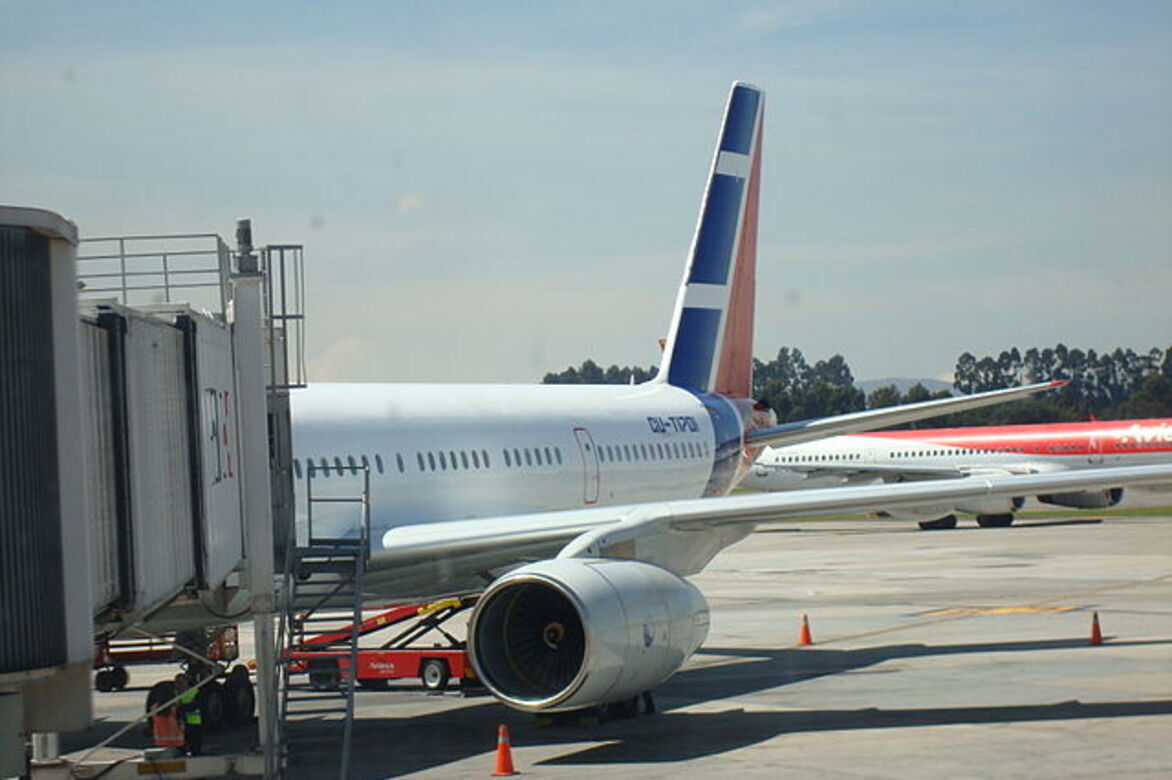
HAVANA, Cuba: Airlines flying into Cuba have been told they will no longer be able to refuel on the island, as tightening U.S. pressure sharply reduces the country's access to fuel and forces authorities to ration energy across critical sectors.
Cuban aviation officials issued notices to airlines and pilots late on February 8, warning that jet fuel will not be available at nine airports nationwide, including José Martí International Airport, until March 11. The government has not indicated whether the restriction could extend beyond that date.
The move comes as political pressure from U.S. President Donald Trump has effectively cut Cuba off from its primary petroleum suppliers in Venezuela and Mexico, deepening an already severe energy crisis on the island.
In late January, Trump signed an executive order imposing tariffs on goods from countries that sell or provide oil to Cuba, a measure expected to further constrain fuel deliveries to the Caribbean nation.
While the refueling ban may not affect shorter regional routes, it poses serious challenges for long-haul flights from countries such as Russia and Canada, which are a vital source of visitors to Cuba's tourism-dependent economy.
On Monday, Air Canada announced it was suspending flights to Cuba. Other carriers said they were introducing delays or adding refueling stops in the Dominican Republic before continuing to Havana.
One pilot said that while fuel shortages are not new in Cuba, the scope of the current restrictions is unusual. The last comparable episode occurred more than a decade ago, when an aircraft bound for Europe refueled in Nassau, Bahamas, the pilot recalled. Regional airlines may avoid disruption by carrying extra fuel, while others could refuel in Cancun, Mexico, or the Dominican Republic.
Cuban officials have not publicly commented on the aviation fuel notice, and it remains unclear how long the measures will remain in place.
The shortage delivers another blow to an economy heavily reliant on tourism, which once generated around US$3 billion annually and served as a key source of foreign currency.
Beyond aviation, the government has rolled out sweeping austerity measures. Bank hours have been reduced, cultural events suspended, and Havana's public bus system has largely stopped operating, leaving many residents stranded. Fuel distribution companies have said they will no longer sell gasoline in Cuban pesos, switching instead to U.S. dollars with purchases capped at 20 liters per user.
Major events such as the Havana International Book Fair have been suspended, and the national baseball season has been restructured for efficiency. Cuts to bus and train services announced Friday remain in effect.
Last week, Cuban President Miguel Díaz-Canel addressed the nation in a two-hour televised speech, acknowledging the scale of the crisis and warning that additional measures were imminent.
U.S. sanctions against Cuba have been in place for more than six decades, but pressure intensified after a U.S. military operation removed former Venezuelan president Nicolás Maduro, followed by a more confrontational U.S. stance toward Latin America.
For many Cubans, the impact is stark: power outages lasting up to 10 hours, fuel shortages, and limited access to food and medicine, conditions many compare to the "Special Period" economic collapse of the 1990s following the loss of Soviet support.