
Queues lengthen at Cuban gas stations as app keeps motorists waiting
Mohan Sinha
19 Feb 2026
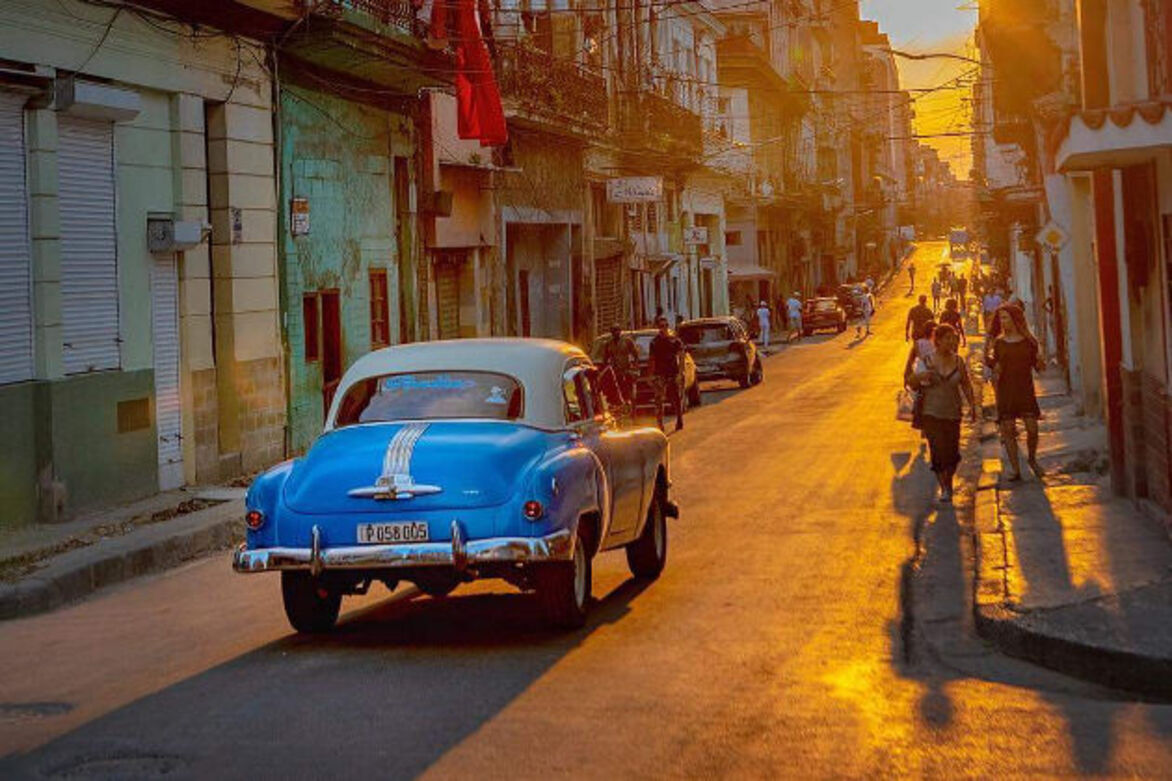
HAVANA, Cuba: The situation outside gas stations is worsening, as drivers may have to wait for months to refuel their cars due to fuel shortages caused by the United States oil embargo.
Cuba's government last week told drivers to use an app called Ticket to book refueling appointments, but instead of helping ease the situation, it has only made things worse. Drivers now have to wait months for an appointment to refuel their vehicles.
65-year-old Jorge Reyes downloaded the app on February 16, and he is on a waiting list with an appointment number, which is over 7,000. The gas station where Reyes has signed up to refuel in Havana is only awarding 50 appointments per day.
The app lets drivers book an appointment at only one gas station at a time. Because of this, drivers use WhatsApp groups to tell each other which stations have shorter lines or can serve more people. Some stations can give up to 90 appointments a day.
But this does not help many users much, because after downloading the app, they see that as many as 10,000 people are already ahead of them in line.
XETID, a state-owned software company, operates the Ticket app. Last week, one of its directors said more than 90,000 drivers had used the app to request fuel appointments. The app has existed for three years and was earlier used to book notary visits and buy fuel in local currency. Now it is almost the only legal way to get gasoline without turning to the black market.
The Cuban government has also stopped selling cheap gasoline in local currency, which used to cost about 25 cents per liter. Now, fuel is mostly sold in American dollars and is much more expensive. A liter of gasoline costs about US$1.30 at official stations and can reach up to $6 on the black market. Government workers in Cuba earn less than $20 a month when their salaries are converted to U.S. dollars at market rates.
When drivers finally reach a gas station, they are only allowed to buy 20 liters (about five gallons) of fuel. One businessman, Ariel Alonso, said this amount does not last long. He keeps five liters in reserve in case someone at home gets sick and needs to be taken to the hospital.
Fuel shortages and power cuts have been worsening in Cuba as the country struggles to import enough oil to keep its power plants and refineries running.
In late January, U.S. President Donald Trump warned that any country selling oil to Cuba could face tariffs, increasing pressure on Cuba's government to change its economic and political system. Cuba's president, Miguel Díaz-Canel, said he is open to talks with the U.S. but only as equals and without giving up the country's independence. He accused the U.S. of creating an "energy blockade."
Venezuela, one of Cuba's main oil suppliers, stopped sending oil in January. Mexico also halted its oil shipments after the U.S. threatened tariffs.
To save electricity, banks in Cuba have shortened their working hours. The government also announced it would not provide fuel to aircraft landing in the country, prompting three Canadian airlines to cancel flights. Other airlines will still fly to Cuba but will refuel in the Dominican Republic.