
Airlines raise fares as Middle East war drives fuel spike
Anabelle Colaco
12 Mar 2026
SYDNEY/AUCKLAND: Airlines are warning passengers to expect higher ticket prices as surging jet fuel costs linked to the Middle East conflict squeeze operating margins across the global aviation industry.
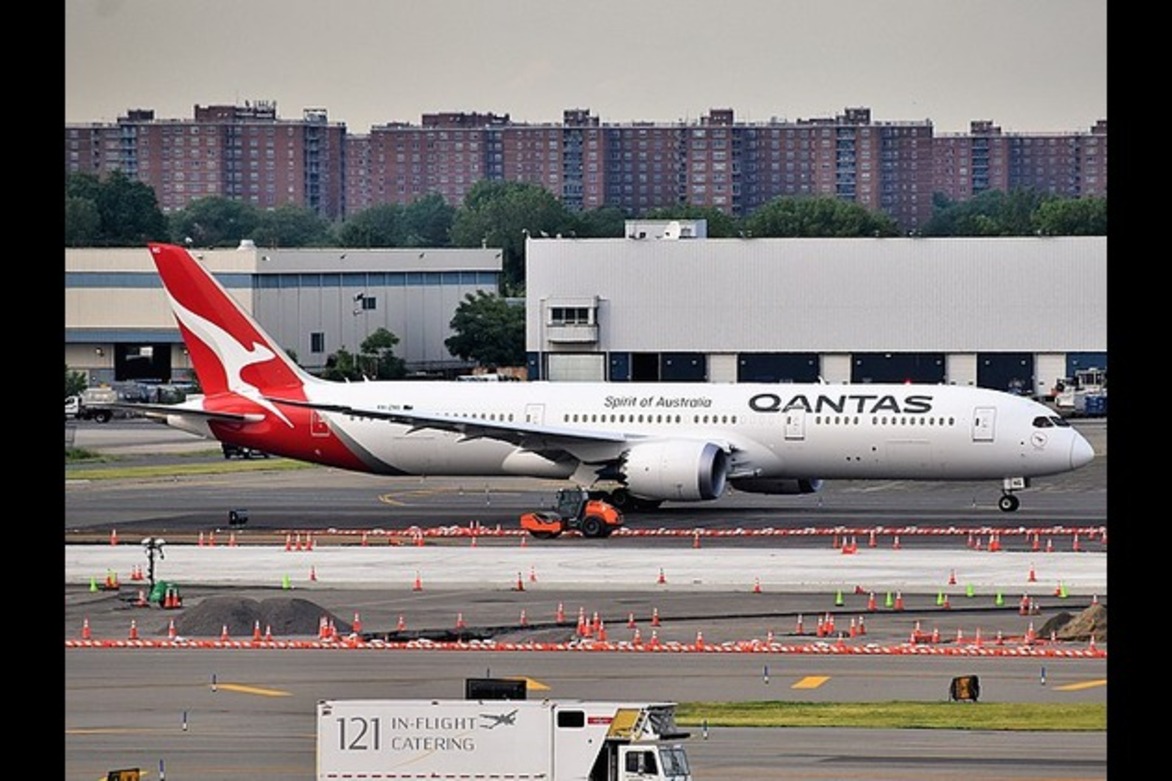
Australia's Qantas Airways and Air New Zealand said on March 10 that they have begun raising fares, highlighting how carriers are struggling to absorb the rapid rise in fuel prices.
Jet fuel, which had been trading at about US$85 to $90 per barrel before the conflict began, has surged to between $150 and $200 per barrel in recent days, Air New Zealand said. The airline also suspended its 2026 financial outlook due to the uncertainty surrounding the conflict.
The U.S.-Israeli war with Iran has sent oil prices sharply higher, disrupting global travel, driving ticket prices up on some routes, and raising concerns about a potential downturn in travel demand or even aircraft groundings.
Airspace disruptions in the Middle East have also complicated operations. On the morning of March 10, planes approaching Dubai were briefly placed in holding patterns due to a potential missile threat, according to flight tracking service Flightradar24.
The aircraft later landed safely.
Qantas said it is raising international fares and is exploring ways to redeploy capacity toward Europe as airlines and passengers attempt to avoid disruptions across Middle Eastern airspace, where missile and drone attacks have curtailed flights.
The airline said its flights to Europe are already more than 90 percent full in March, compared with the typical load factor of about 75 percent at this time of year. Ticket prices have surged, particularly on routes between Asia and Europe, because of airspace closures and reduced capacity.
Hong Kong's Cathay Pacific said it will add extra flights to London and Zurich in March to help meet demand.
Air New Zealand said it has increased one-way economy fares by NZ$10 ($6) on domestic routes, NZ$20 on short-haul international flights, and NZ$90 on long-haul services. The carrier warned that additional price, network, and schedule changes could follow if jet fuel prices remain elevated.
Hong Kong Airlines said it will increase fuel surcharges by up to 35.2 percent starting Thursday. The steepest increases will affect routes between Hong Kong and the Maldives, Bangladesh, and Nepal, where surcharges will rise to HK$384 ($49) from HK$284.
Cathay Pacific said it reviews fuel surcharges monthly. Before the conflict began, it had kept charges unchanged at $72.90 each way for flights between Hong Kong and Europe and North America.
Vietnam Airlines has asked authorities to remove an environmental tax on jet fuel to help maintain operations. The Vietnamese government said airlines' operating costs in the country have increased by 60 percent to 70 percent due to higher fuel prices, while fuel suppliers are also struggling to meet demand.
Airline stocks stabilized somewhat after U.S. President Donald Trump said on March 9 that the conflict could end soon. Oil prices fell back to around $90 per barrel on March 10 after reaching a peak of $119 the day before.
In Asian markets, airline shares showed signs of recovery. Qantas rose 0.5 percent, Korean Air climbed nearly 9 percent, and Cathay Pacific gained more than 4 percent, after all had recorded sharp declines earlier in the week.
Fuel is typically the second-largest expense for airlines after labour and accounts for roughly one-fifth to one-quarter of operating costs.
Some Asian and European carriers hedge their fuel costs to limit price swings, while most U.S. airlines have largely abandoned the practice over the past two decades.
Higher fuel prices could ripple across the broader travel industry as airlines continue to reroute flights to avoid Middle Eastern airspace, reducing capacity on already busy routes.
Emirates, Qatar Airways, and Etihad together normally carry about one-third of passengers traveling from Europe to Asia and more than half of those flying from Europe to Australia, New Zealand, and nearby Pacific islands, according to aviation data firm Cirium.
The conflict is also affecting tourism. South Korea's HanaTour Service said it has canceled group tours involving flights to the Middle East and is waiving cancellation fees for customers. All tours to the region in March will be suspended, it said.
Thailand's Ministry of Tourism warned that if the conflict lasts longer than eight weeks, the country could lose nearly 596,000 tourists and about 40.9 billion baht ($1.29 billion) in tourism revenue.