
IEA says war cuts global oil supply by 8 million barrels
Anabelle Colaco
14 Mar 2026
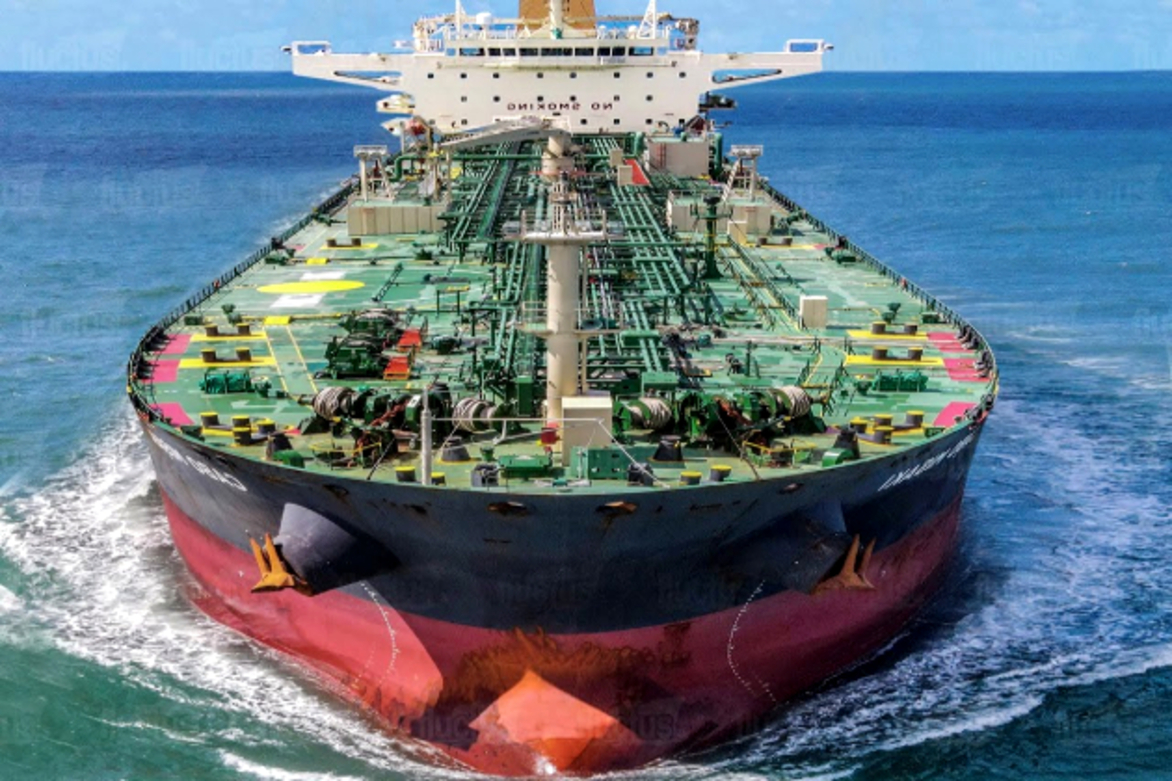
LONDON: The war in the Middle East has triggered the largest disruption to global oil supplies on record, the International Energy Agency (IEA) said, as the conflict blocks critical shipping routes and forces major Gulf producers to cut output.
The Paris-based agency said the crisis has sharply reduced oil flows through the Strait of Hormuz, a narrow channel along Iran's coast that is one of the world's most important energy transit routes.
In its latest monthly oil market report, the IEA said global oil supply is expected to drop by about 8 million barrels per day in March, equivalent to nearly 8% of worldwide demand, following the blocking of the Strait since the United States and Israel began airstrikes on Iran on February 28.
The agency's assessment comes a day after it agreed to release a record 400 million barrels of oil from strategic reserves held by member countries in an attempt to stabilize markets and ease rising prices.
Gulf production sharply reduced
The IEA said Middle East Gulf countries including Iraq, Qatar, Kuwait, the United Arab Emirates and Saudi Arabia have cut oil production by at least 10 million barrels per day since the conflict began.
Without a rapid reopening of shipping routes, the agency warned that supply losses could grow even larger.
"Shut-in upstream production will take weeks and, in some cases, months to return to pre-crisis levels depending on the degree of field complexity and the timing for workers, equipment and resources to return to the region," the agency said.
The disruption has already rattled oil markets as Iran intensifies attacks on energy and transport infrastructure across the region, fueling fears that the conflict could drag on and continue to limit oil shipments.
Brent crude prices, which climbed to $119.50 a barrel on Monday — the highest level since mid-2022 — were trading about 5% higher on Thursday at just under $97 a barrel.
Markets in a "critical period"
IEA Executive Director Fatih Birol said the agency's decision to release oil from emergency reserves had already influenced energy markets.
Speaking in Istanbul, Birol said the move had a "strong impact" on prices and that the global oil market was in an "extremely critical period." He declined to say how quickly the stockpiled oil would be released.
At the same time, the conflict is beginning to weigh on demand as airlines cancel flights and economic uncertainty increases.
The IEA said global oil demand during March and April would likely be about 1 million barrels per day lower than earlier forecasts.
For 2026 as a whole, the agency expects demand to grow by 640,000 barrels per day, 210,000 barrels less than previously estimated and roughly half the growth forecast by the Organization of the Petroleum Exporting Countries (OPEC).
Supply still expected to grow
Despite the disruption in March, the IEA still expects global oil supply to grow faster than demand over the course of 2026.
Total world supply is projected to increase by about 1.1 million barrels per day this year, though that estimate is sharply lower than the 2.4 million barrels per day increase forecast last month.
Even with the revision, the agency expects global supply to exceed demand by about 2.46 million barrels per day in 2026, compared with a surplus of 3.73 million barrels per day estimated previously.
The report said some Middle Eastern producers are already attempting to bypass the Strait of Hormuz using alternative export routes.
Efforts by Saudi Arabia and the United Arab Emirates to expand those routes are ramping up and could help partially offset supply losses and support a rebound in global oil shipments beginning in April.