
US Upper Midwest hit by severe weather hampering road, air travel
Mohan Sinha
18 Mar 2026
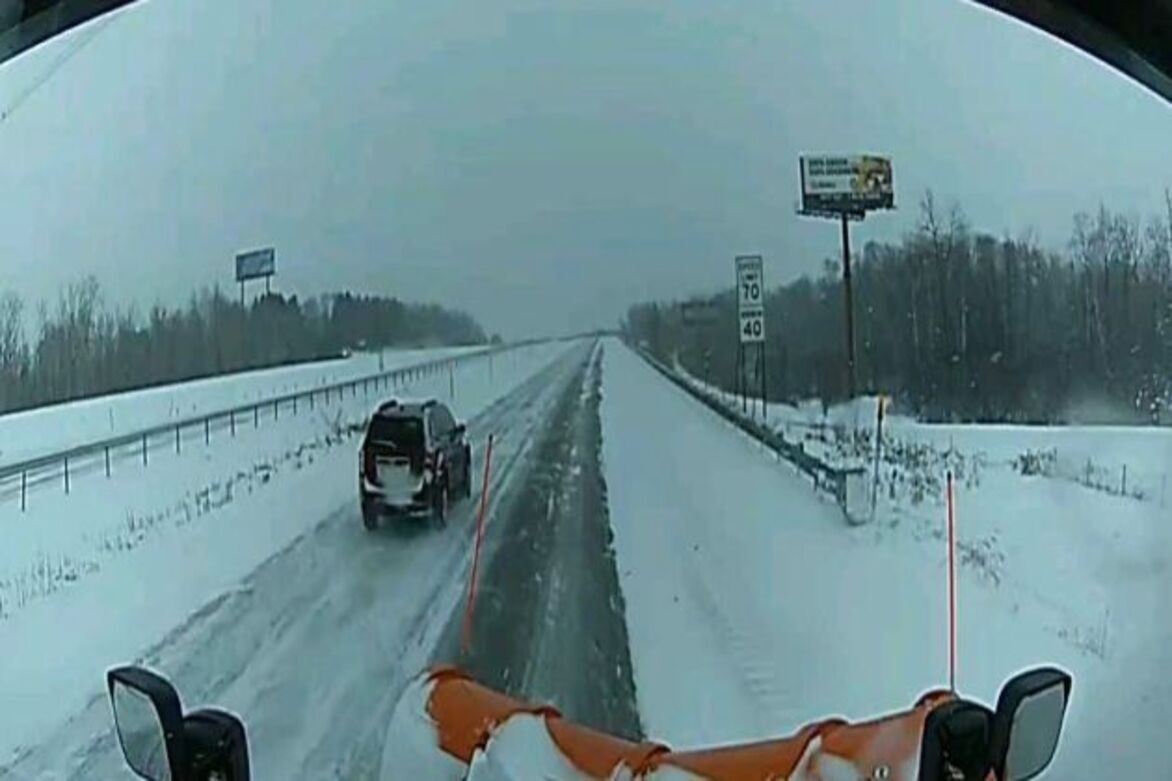
CHICAGO, Illinois: Severe weather has swept across much of the U.S., dumping heavy snow and making roads impossible to travel on in the Upper Midwest, while the Plains experienced damaging high winds.
Forecasters predicted the storms would spread eastward, with the Mid-Atlantic states and Washington, D.C., at the greatest risk of high winds and tornadoes.
A series of snowstorms, strong winds, and severe weather was expected to hit the eastern half of the United States, according to AccuWeather senior meteorologist Tyler Roys.
He said the storms could affect several major airports because of strong winds, blizzard conditions, and heavy snow.
Areas from central Wisconsin to Michigan's Upper Peninsula were expected to receive more than two feet of snow, with even higher amounts in some places. Cities such as Chicago and Milwaukee were likely to get less snow, but it could still cause problems for Monday commuters.
By the afternoon of March 15, some parts of southeastern Minnesota and western Wisconsin had already received more than 20 inches of snow. Officials warned that travel conditions would worsen due to poor visibility and snow on the roads.
Snowplow driver Aaron Haas in Wisconsin said it was one of the worst storms he had seen in years. Near the town of Marshfield, he said he was pushing snow into piles as tall as his truck. He added that drivers could barely see anything on highways outside the city.
Jim Allen, 45, who lives in Michigan's Upper Peninsula, said his family bought supplies and prepared to stay home if necessary. He expected to clear the snow several times using a shovel and a snowblower.
The storm caused major travel disruptions. More than 600 flights were canceled on March 15 at Minneapolis–Saint Paul International Airport. Dozens of flights in Detroit were also canceled. In Chicago, more than 850 flights were canceled at O'Hare and Midway airports as rain and snow were expected overnight.
Meanwhile, heavy rain continued in Hawaii, flooding farmland and homes, closing roads, and forcing shelters to open. PowerOutage.us reported that nearly 40,000 electricity customers in Hawaii were without power by midday Sunday.
Flash flooding has been a major problem in Maui, Molokai, and the Big Island. The Hawaii Emergency Management Agency said rain fell at a rate of one to two inches per hour overnight. Some parts of Maui received more than 20 inches of rain.
Maui resident and real estate broker Jesse Wald said he recorded video of a coastal road collapsing on March 14. He added that other parts of the road were also covered with mud and sediment.
Across six Great Lakes states, more than 210,000 electricity customers were without power by the afternoon of March 15, according to PowerOutage.us. Some outages began on March 13 itself when wind gusts reached 85 mph.
In Nebraska, about 30 National Guard members were sent to help fight several wildfires burning across large areas of grassland and ranchland. Officials said three of the biggest fires had already burned more than 900 square miles by March 14. One person died in a fire-related incident on the previous day.
The National Weather Service issued a high-wind warning for much of Nebraska, with gusts up to 60 mph possible while snow was falling. It also warned that a line of severe storms with damaging winds would move across much of the eastern United States.