
Policymakers hold rates but flag inflation risks from war
Anabelle Colaco
21 Mar 2026
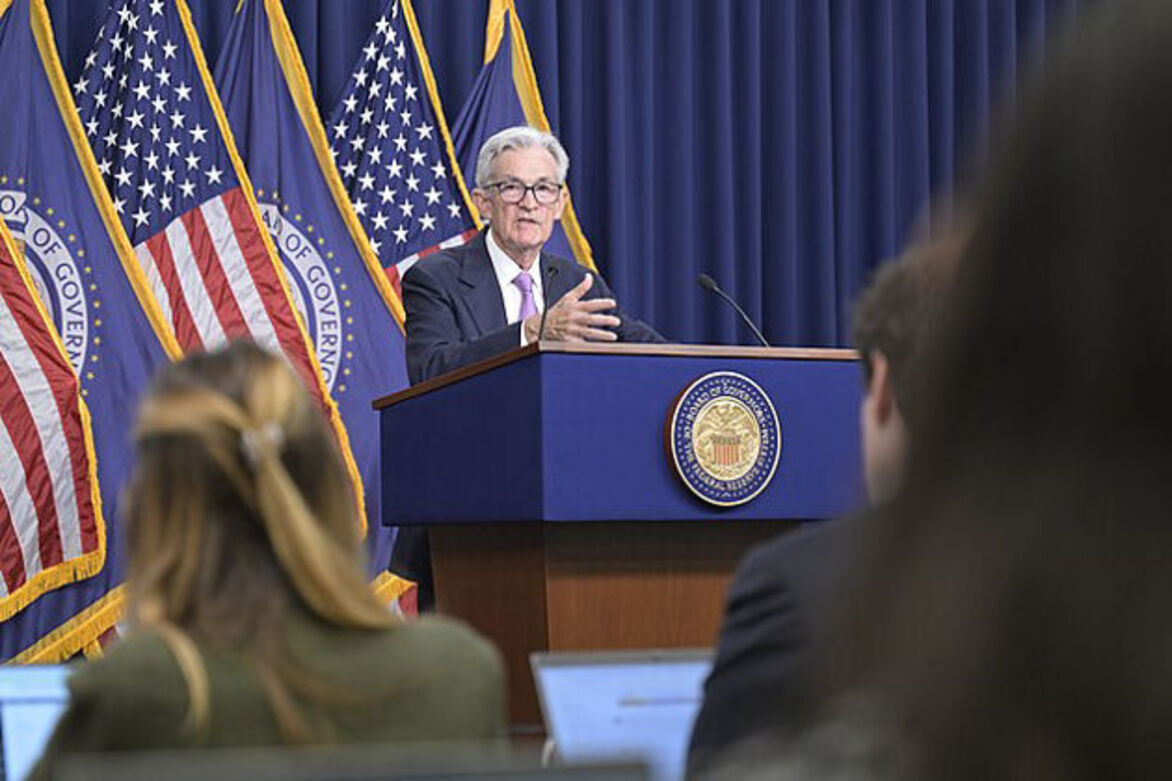
OTTAWA/WASHINGTON/TOKYO: Major central banks signalled caution on inflation as they kept interest rates unchanged, warning that rising energy prices from the Iran war could complicate efforts to stabilise economies.
Policymakers in the United States, Canada, and Japan struck a broadly hawkish tone this week, highlighting the risk that higher fuel costs could reignite inflation even as growth concerns persist.
Having navigated a commodity-driven surge in prices after Russia's invasion of Ukraine in 2022, central banks now face a similar challenge: controlling inflation without tipping economies into a slowdown.
The U.S. Federal Reserve, Bank of Canada, and Bank of Japan all held their key interest rates steady, but officials emphasised they remain vigilant.
"Governing Council will look through the war's immediate impact on inflation, but if energy prices stay high, we will not let their effects broaden and become persistent inflation," Bank of Canada Governor Tiff Macklem said after the bank kept its benchmark rate at 2.25 percent.
Federal Reserve Chair Jerome Powell also struck a cautious note.
"In the near term, higher energy prices will push up overall inflation, but it is too soon to know the scope and duration of the potential effects on the economy," Powell said following the Fed's decision to hold its benchmark rate in the 3.50 percent-3.75 percent range.
Powell's reluctance to signal concern over a weakening labour market led investors to push expectations for rate cuts further out, with markets now eyeing 2027.
Japan's central bank added to the cautious tone. Governor Kazuo Ueda said a near-term rate hike remains possible if the impact of higher oil prices on growth proves limited.
"We need to be mindful that recent developments come at a time when companies are already actively pushing up prices and wages, which suggests they could pass on costs more aggressively than after the war in Ukraine," Ueda said.
Elsewhere, Brazil's central bank took a slightly different approach, beginning a long-awaited easing cycle with a modest 25-basis-point cut, while still warning about elevated inflation risks.
Other policymakers also flagged concerns. Australia's central bank recently raised rates to a 10-month high and warned of a "material" inflation risk linked to rising oil prices.
Financial markets reacted to the escalating conflict, with oil prices climbing and stocks falling as investors assessed the broader economic impact.
Analysts say central banks now face an increasingly uncertain outlook, with the risk of stagflation — where inflation remains high while growth slows — becoming more prominent.
"This latest escalation feels like a turning point for markets because the conflict is no longer just about military headlines or Strait of Hormuz closure," said Charu Chanana, chief investment strategist at Saxo in Singapore.
"It is now hitting the plumbing of the global energy system. What is unsettling markets now is the growing stagflation risk... It means this is no longer just a geopolitical story but a macro one."