
Middle East war triggers mass diversions, flight chaos
Anabelle Colaco
21 Mar 2026
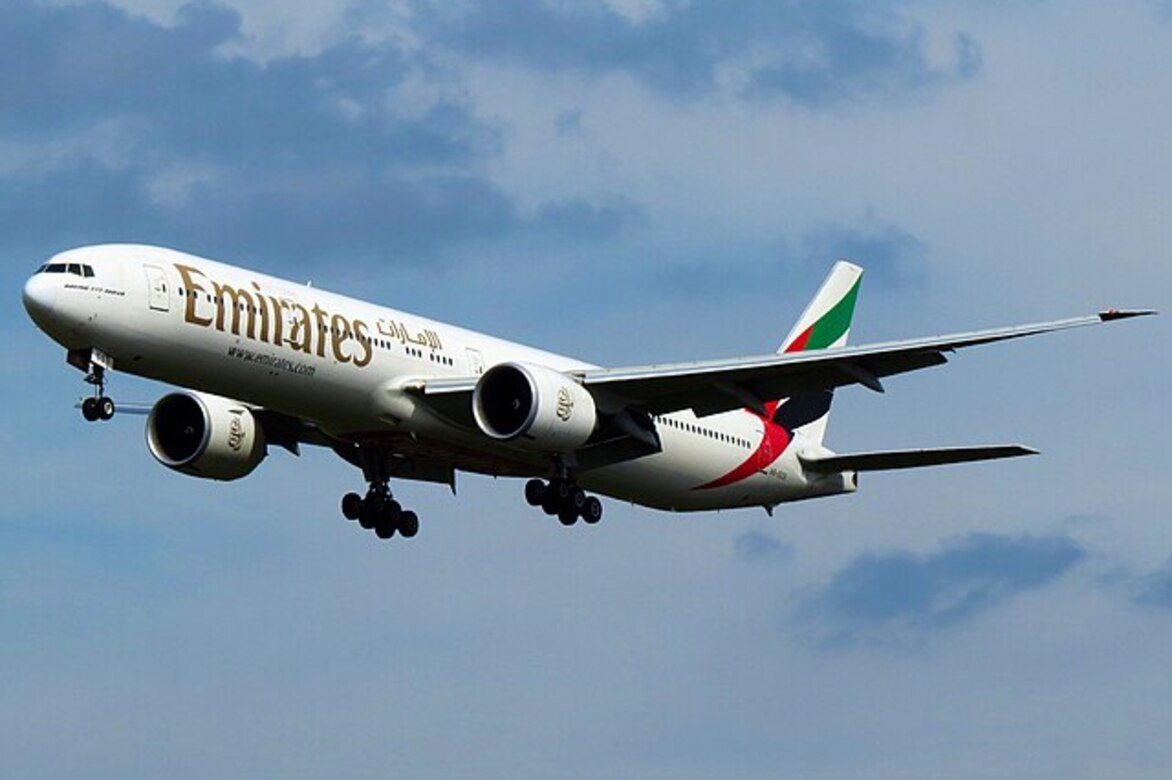
LONDON/DUBAI: Airline disruptions from the Iran war are forcing planes into long detours and even full round-trips back to origin, creating so-called "flights to nowhere" as airspace closures ripple across the region.
One such incident involved Emirates flight EK10 from London, which turned back mid-flight after a drone strike was reported near its destination, Dubai. The aircraft returned to Gatwick after covering about 9,100 km, according to flight data.
The disruption is part of a wider pattern affecting global aviation since the conflict began on February 28. Around 30 Emirates flights bound for Dubai were either turned back or rerouted after Iranian drone attacks temporarily shut Dubai International Airport, typically the world's busiest for international passengers.
Passengers expecting to arrive in Dubai instead found themselves heading back. "Was supposed to wake up on approach to Dubai," said one social media user, whose flight from Dublin turned around near Cairo.
These unexpected reversals, widely dubbed "flights to nowhere," have become a defining feature of the crisis, alongside rising fuel costs, stranded travellers, and major route changes.
Emirates confirmed that some flights returned to their departure points or nearby hubs but did not provide further details. While some services have resumed, intermittent missile and drone alerts continue to disrupt operations. The United Arab Emirates briefly closed its airspace again on March 17.
Flight data shows multiple aircraft from Europe and India turning back over Saudi Arabia or the Arabian Sea. A London service that typically takes under seven hours was extended to 11.5 hours before returning. Other flights reversed course to cities such as Madrid, Lisbon, and Paris.
Flights closer to their destinations were diverted to alternative airports. Services from New York, Tokyo, Shanghai, and Moscow were rerouted to cities including Cairo, Karachi, Dhaka, and Islamabad. Others from Dallas and Toronto diverted to Italy, while flights from Lusaka, Dhaka, and Johannesburg either stopped midway or returned.
One Shanghai-to-Dubai flight completed an 11,000-km journey over 20 hours, including a stop in Bangladesh.
Airlines have also shifted operations away from Dubai International to nearby airports such as Dubai World Central, Al Ain, Abu Dhabi, and Muscat, as well as regional hubs like Jeddah, Cairo, and Medina.
Since the conflict began, Emirates has cancelled more than 2,000 flights, or 54 percent of its scheduled services, according to Cirium. Qatar Airways and Etihad reported even higher cancellation rates of 93 percent and 79 percent, respectively.
Overall, about 30,000 flights to and from Middle East airports have been cancelled as of March 17, highlighting the scale of disruption to global air travel.