
Gas price spike could cancel out tax refund gains for US
Anabelle Colaco
24 Mar 2026
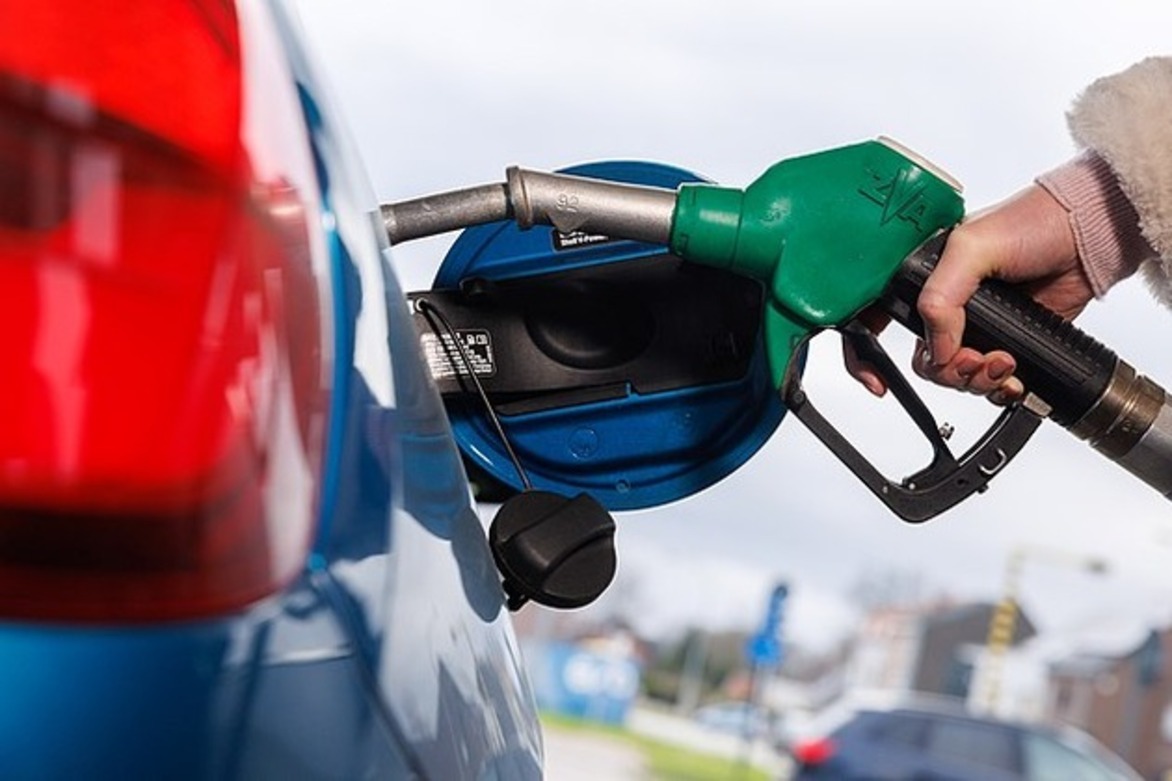
WASHINGTON, D.C.: A surge in gasoline prices linked to the Iran war is expected to erode much of the financial boost Americans were set to receive from larger tax refunds this year, economists say.
"Next spring is projected to be the largest tax refund season of all time," President Donald Trump said in a prime-time speech in December that was intended to address voters' concerns about the economy and stubbornly high prices.
But since the war began on February 28, oil and gas prices have climbed sharply. The nationwide average price of gasoline reached US$3.94 on March 22, up more than a dollar in just a month.
Economists warn that higher fuel costs could offset the extra cash households receive from refunds, reducing discretionary spending on items such as dining, clothing, and entertainment. Growth forecasts for the spring and the year have already been revised lower.
Lower- and middle-income households are expected to feel the strain most, as they typically receive smaller refunds while spending a larger share of their income on fuel.
"The energy shock is going to hit those who have the least cushion," said Alex Jacquez, chief of policy at the Groundwork Collaborative and a former economist in the Biden White House. "And it doesn't look like those tax refunds are going to be here to save them."
Neale Mahoney, director of the Stanford Institute for Economic Policy Research, estimates that gas prices could peak at $4.36 per gallon in May, based on oil price forecasts, before gradually declining. Economists often refer to the pattern of rapid increases and slow declines as the "rocket and feathers" phenomenon.
Under that scenario, the average household could spend about $740 more on gas this year, nearly matching the estimated $748 increase in tax refunds.
IRS data through March 6 shows refunds averaging $3,676, up $352 from $3,324 in 2025, though totals could rise as more complex returns are processed.
Other projections point to a similar outcome. Oxford Economics estimates that if gasoline averages $3.70 per gallon this year, consumers would spend about $70 billion more on fuel, exceeding the roughly $60 billion increase in refunds.
The spike comes at a time when many households are financially stretched. Unlike 2022, when pandemic-era savings and strong wage growth cushioned higher fuel costs, hiring has slowed, and savings rates have declined.
"When you start looking across the perspective from a consumer side, you're seeing people who have maxed out their credit cards, are using ‘buy now, pay later' to purchase their groceries," said Julie Margetta Morgan, president of The Century Foundation. "They're making it work for now, but that can fall apart quite quickly."
The impact is likely to deepen existing inequalities, with lower-income households spending a larger share of income on gasoline than wealthier ones.
Still, most economists expect the U.S. economy to continue growing this year, albeit at a slower pace. Bank of America Institute data shows spending on gas rose 14.4 percent in the week ended March 14 from a year earlier, while discretionary spending continues to grow, though not accelerate.
"The longer these gasoline prices persist, the more that will gradually sap consumer discretionary spending," said David Tinsley, senior economist at the institute.
Oxford Economics now forecasts U.S. growth of 1.9 percent this year, down from an earlier estimate of 2.5 percent.
"We had anticipated a lift in spending from a bumper tax refund season," economists Bernard Yaros and Michael Pearce wrote, "but the rise in gasoline prices, if sustained, would more than offset that boost."