
DoorDash adds payouts for drivers as fuel costs climb
Anabelle Colaco
27 Mar 2026
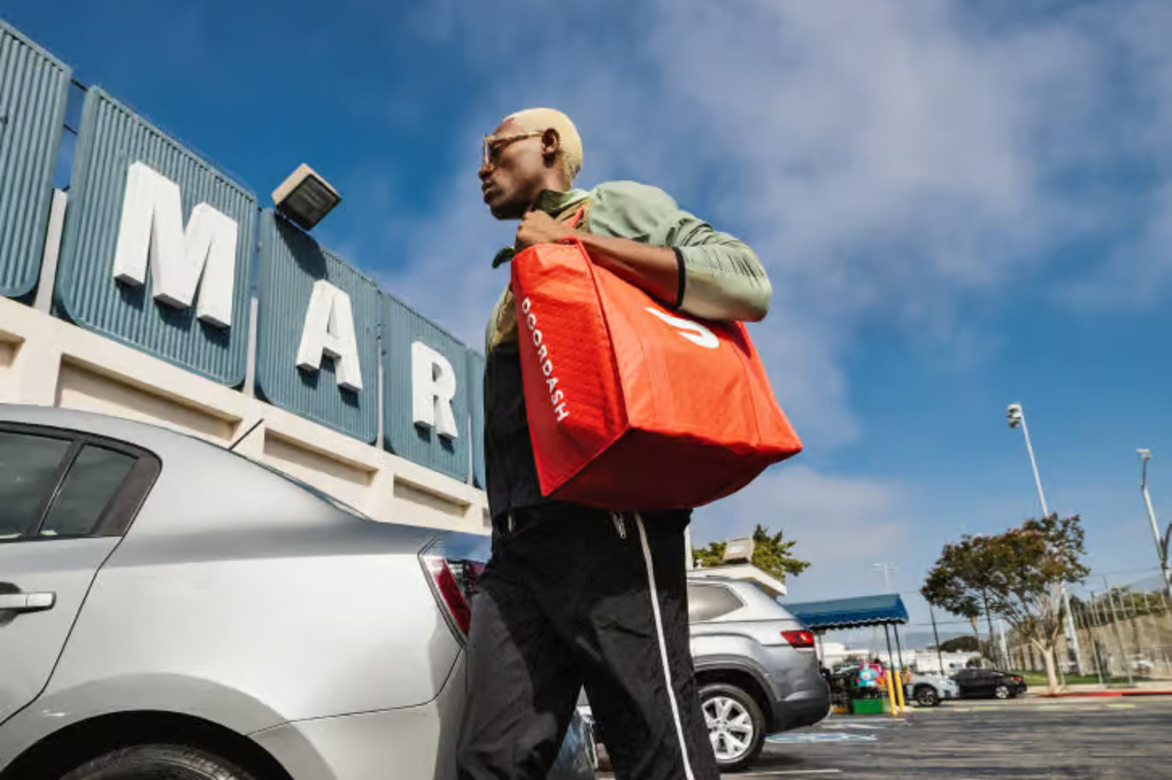
SAN FRANCISCO, California: DoorDash is rolling out additional payments for drivers in the United States and Canada as soaring fuel prices push up delivery costs.
The San Francisco-based company said the temporary program is aimed at helping drivers cope with rising gasoline prices, which have surged in recent weeks. The U.S. national average reached US$3.96 per gallon, according to AAA, up 35 percent from a month earlier.
The increase follows a sharp rise in global oil prices since the Iran war began on February 28. Brent crude briefly climbed above $119 per barrel last week, compared with about $70 before the conflict. Supply disruptions have intensified after Iran halted most shipments through the Strait of Hormuz and targeted energy infrastructure in the Persian Gulf.
DoorDash said drivers in the U.S. who use its debit card will receive 10 percent cash back on gas purchases, up from the usual two percent. More than half of its drivers currently use the card, the company added.
In addition, drivers who travel 125 miles or more while completing deliveries will qualify for a weekly fuel payment ranging from $5 to $15.
In Canada, drivers will receive up to CA$36 per week, depending on the distance they travel.
The company said the measures will remain in place through April 26. It has also introduced a similar fuel relief program in Australia.
It remains unclear whether competitors will introduce similar support. GrubHub said last week it is monitoring fuel prices, while Uber and Lyft did not immediately comment.
DoorDash implemented a comparable program in 2022 when U.S. gasoline prices exceeded $4 per gallon. At that time, Uber and Lyft introduced temporary fuel surcharges for customers.
The latest move underscores how rising energy costs are affecting gig economy workers, whose earnings are closely tied to expenses such as fuel.
As fuel prices climb, delivery companies are once again facing pressure to support drivers while balancing costs in an increasingly competitive market.