
Iran conflict disrupts cosmetics supply chains, raises costs
Anabelle Colaco
03 Apr 2026
BOLOGNA, Italy: The Iran war is rippling through the global beauty industry, pushing up costs for everything from packaging materials to transport and exposing the sector's reliance on fragile supply chains.
Cost pressures dominated discussions at Cosmoprof, one of the industry's largest trade fairs held in Bologna, as executives tracked the impact of Iran's blockade of the Strait of Hormuz, now nearing its fifth week.
The event brought together about 3,100 exhibitors from 68 countries and 255,000 visitors from 150 nations, including packaging suppliers, manufacturers and retailers.
Industry executives said rising oil prices and disrupted shipping routes are driving up raw material and logistics costs.
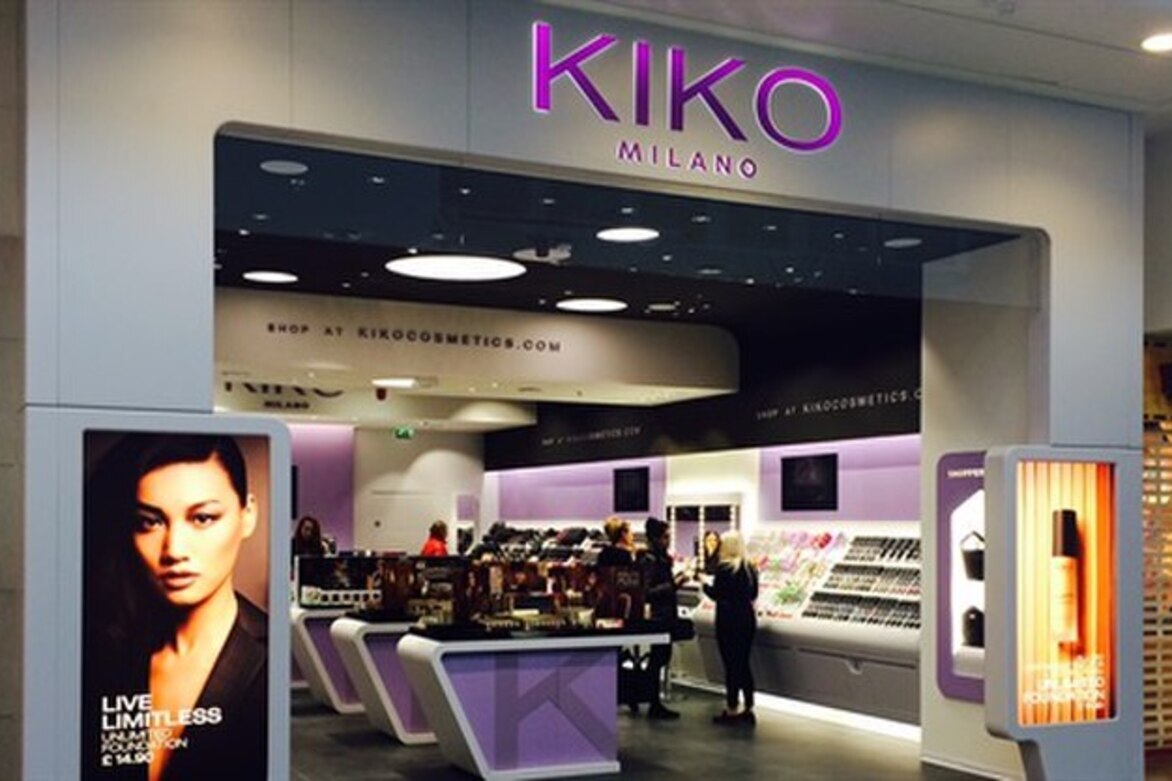
"We are beginning to see cost increases driven by energy price inflation, compounded by delivery delays," said Simone Dominici, CEO of Italian cosmetics group Kiko.
Dominici estimated additional logistics-related costs of about 1.5 million euros ($1.7 million) for the company over the year. Kiko operates more than 1,000 stores globally and sells products such as lipsticks starting at 5 euros and mascaras from 7.5 euros.
"With so many containers stuck in the Middle East, there is a tighter container availability ... and goods are not being moved efficiently", he said, adding that higher prices for chemical components and packaging materials, much of which is sourced from Asia, are adding further pressure.
Suppliers are also feeling the strain. Yonwoo, a packaging manufacturer for L'Oreal and K-beauty companies, said it is scrambling to secure plastic resin used in skincare and cosmetic containers.
Beyond costs, executives warned that inflationary pressures could weaken consumer demand. "It's the perfect storm," Dominici said.
Manufacturers including Intercos and Ancorotti Group said they have not yet faced major shortages but are grappling with longer delivery times and rising expenses.
"Lead times have lengthened as routes have become longer and ports more congested. What once took eight weeks now can take 12 to 14 weeks", said Ancorotti Chief Executive Roberto Bottino.
Some companies are turning to alternative routes, including rail transport to Asia, while others are shifting shipments from sea to air, further increasing costs.
Bottino said it was difficult to see how rising supply chain expenses would not be passed on to customers.
"Middle East customers value quality and are willing to pay a premium for added value, so being unable to access these markets can have a negative impact", said Fabio Franchina, chairman of haircare products maker Framesi.
Franchina added that distributors are exploring new routes, including shipping goods to Jeddah and transporting them by road instead of routing through Persian Gulf ports.
Italy's cosmetics sector remains a major global player, producing 18 billion euros worth of goods in 2025, including 8.4 billion euros in exports, according to industry body Cosmetica Italia.