
Europe weighs energy windfall tax amid price spike
Anabelle Colaco
05 Apr 2026
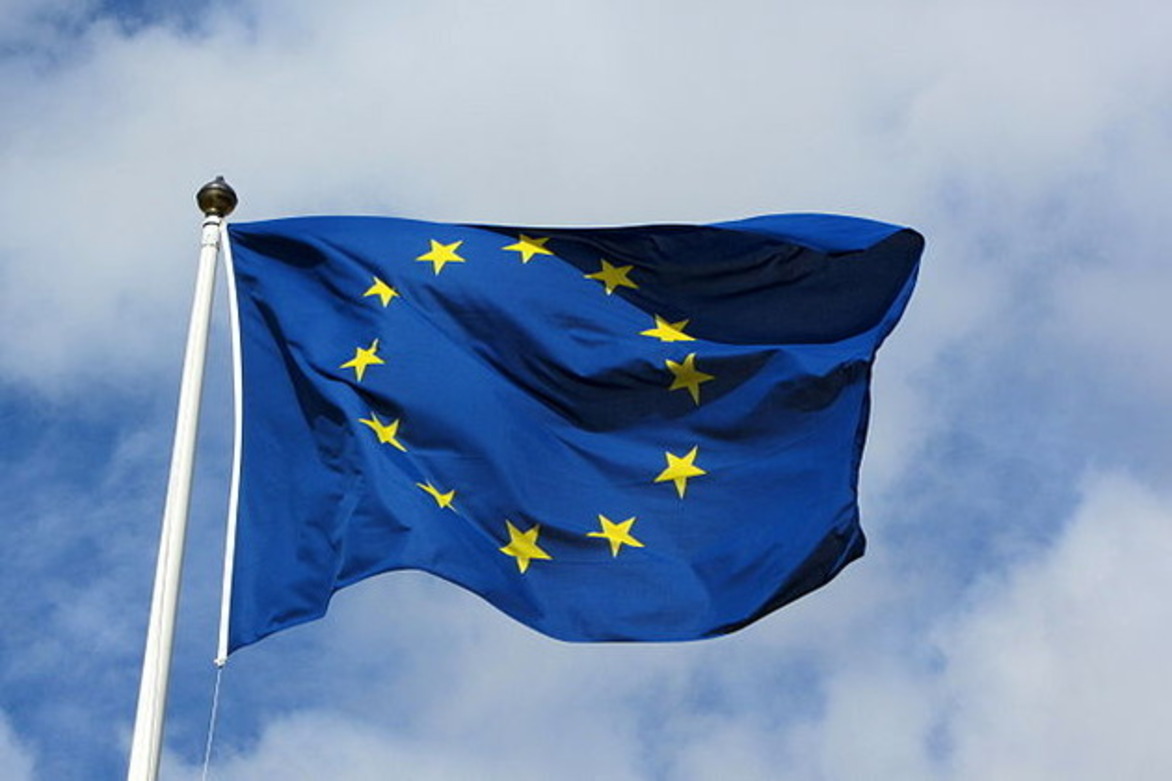
BERLIN, Germany: Five European Union countries have urged Brussels to introduce a windfall tax on energy companies, arguing that firms benefiting from surging fuel prices should help ease the burden on consumers.
In a letter seen by Reuters, finance ministers from Germany, Italy, Spain, Portugal, and Austria called on the European Commission to consider an EU-wide levy on excess profits amid rising energy costs due to the war in Iran.
The ministers said such a tax could fund temporary relief measures for households and businesses while helping contain inflation without adding pressure on public finances.
"It would make it possible to finance temporary relief, especially for consumers, and curb rising inflation, without placing additional burdens on public budgets," the ministers wrote.
"It would also send a clear message that those who profit from the consequences of the war must do their part to ease the burden on the general public," they said.
Energy prices have climbed sharply since U.S.-Israeli strikes on Iran began on February 28, triggering a price shock reminiscent of Europe's 2022 energy crisis following Russia's invasion of Ukraine. This comes despite the bloc's increased reliance on renewable energy sources in recent years.
In their letter to EU Climate Commissioner Wopke Hoekstra, the ministers pointed to a similar emergency tax introduced in 2022, suggesting the Commission should move quickly to design a comparable mechanism.
"Given the current market distortions and fiscal constraints, the European Commission should swiftly develop a similar EU-wide contribution instrument grounded on a solid legal basis," they wrote.
A European Commission spokesperson confirmed receipt of the letter and said it was under review.
"More generally, the Commission is working closely with member states on possible targeted policy measures in response to the current energy crisis facing Europe," the spokesperson said.
The proposal did not specify the level of taxation or which companies would be affected.
Industry groups in Germany pushed back against the idea. The German Fuel and Energy Association said it was incorrect to suggest companies were profiting unjustifiably and argued there was no basis for a windfall tax.
"Our primary goal is to maintain the supply of fuels and motor fuels in Germany under increasingly difficult conditions," the group said in an emailed statement.
EU officials are already weighing broader crisis measures. The bloc's energy chief said earlier this week that options under consideration include reviving policies used during the 2022 crisis, such as caps on energy prices and levies on excess profits.
Europe remains heavily dependent on imported energy, leaving it vulnerable to geopolitical shocks. Gas prices in the region have risen more than 70 percent since the conflict involving Iran escalated in late February.
EU Energy Commissioner Dan Jorgensen said there were immediate concerns about supplies of refined petroleum products, including jet fuel and diesel, as the situation evolves.