
UAE: Middle East would become more dangerous without Hormuz access
Mohan Sinha
07 Apr 2026
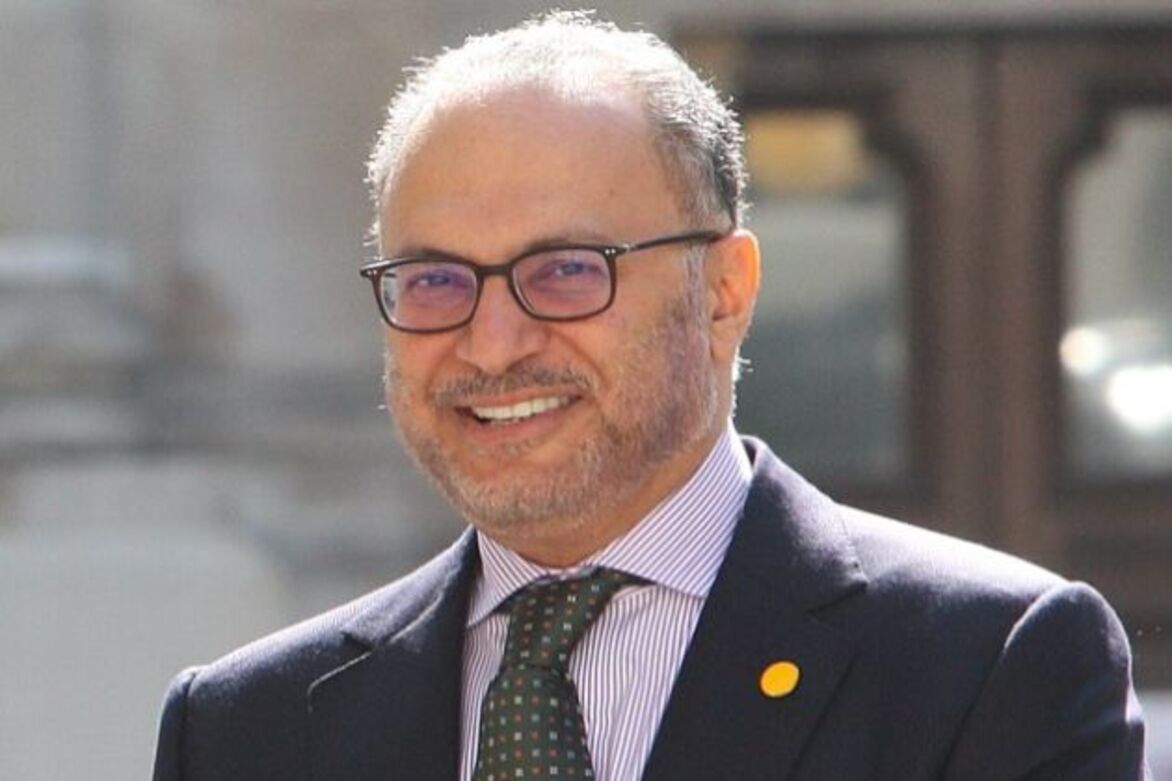
DUBAI, U.A.E: UAE official Anwar Gargash said any deal in the U.S.-Iran war not guaranteeing access through the Strait of Hormuz and failing to rein in Iran's nuclear program, its missiles, and its drones would just make the Middle East more dangerous and more volatile.
Gargash, an adviser to the UAE president, said in a weekend briefing that the Strait of Hormuz, a vital route for global oil, must not be used as a weapon. He stressed that keeping it safe is important for the whole world, not something to be used for regional bargaining.
He said the UAE wants the war to stop, but warned that a ceasefire should not ignore the deeper problems causing the conflict. "We don't want more escalation," he said, "but we also don't want a ceasefire that ignores key issues like Iran's nuclear program and the missiles and drones still attacking us and others."
Gargash said the UAE is ready to join any U.S.-led effort to protect shipping in the strait. Normally, about one-fifth of the world's oil and gas passes through it daily, but Iran's actions have reduced traffic and caused a global energy crisis.
A major gas pipeline that carries Russian gas to Hungary and other countries has also been affected.
The conflict began on February 28, when the U.S. and Israel attacked Iran after nuclear talks failed. Iran responded with missile and drone attacks on Israel, U.S. bases, and key infrastructure in the Gulf, including airports, ports, and business centers.
According to regional officials, the U.A.E. has been hit harder by Iranian attacks than any other Gulf country.
Gargash said that for years, a full Iranian attack was seen as a worst-case scenario for the UAE, and that situation is now happening. Still, he said the country is managing well and showing strength under pressure.
He added that the UAE's economy remains strong and can recover, though it will take effort.
Gargash also said Iran's actions are likely to push Gulf countries closer to the United States for security, increasing the U.S. military presence in the region and strengthening Israel's role. He said the U.S. will remain the UAE's main security partner, and ties will grow stronger as threats increase.
Regional officials believe Iran's attacks on energy facilities and shipping routes are meant to raise costs for U.S. allies in the Gulf and pressure them to push Washington to stop its campaign.
Gargash said Iran's leaders are trying to protect their regime, not the country, and argued that no normal government would allow such damage just to claim resistance. He said the UAE does not want conflict with Iran but cannot trust its current leadership.
He also thanked international partners for their support, especially France and the United States, praising Washington in particular for helping strengthen the UAE's air defense systems.