
CEO exit adds pressure on Air India turnaround plans
Anabelle Colaco
08 Apr 2026
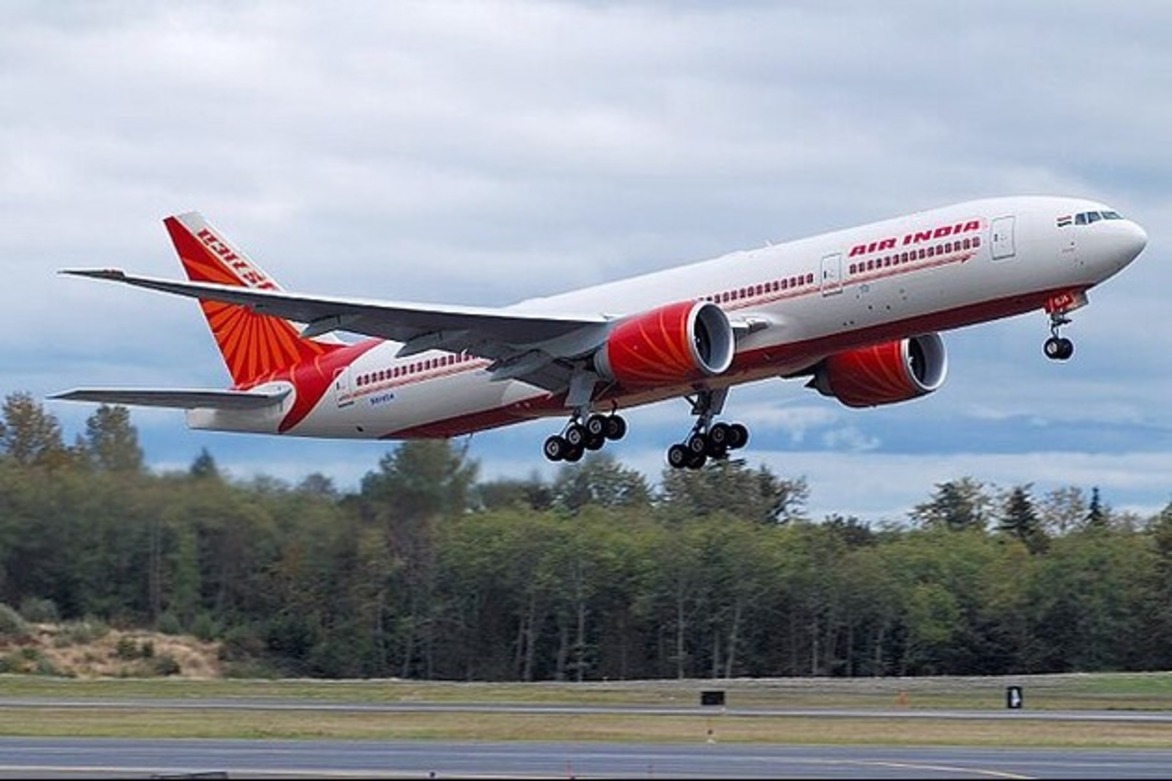
NEW DELHI, India: Air India CEO Campbell Wilson has resigned after nearly four years at the helm, stepping down as the airline faces mounting financial losses and increased regulatory scrutiny.
The departure comes at a challenging time for India's aviation sector, with carriers dealing with geopolitical disruptions and operational pressures. Air India said Wilson would remain in his role until a successor is appointed.
His exit follows a turbulent period for the airline, including a crash last year that killed 260 people and intensified oversight from regulators.
The resignation also comes days after rival IndiGo named aviation veteran Willie Walsh as its next CEO, raising competitive pressure in the domestic market.
Reuters had reported in January that Air India's board was already looking for a replacement. Wilson, a former Singapore Airlines executive, was brought in during 2022 to lead the airline's turnaround after its acquisition by the Tata Group.
The airline said Wilson had informed Chairman N. Chandrasekaran in 2024 of his intention to step down this year. His tenure was originally set to run until 2027.
Air India's board has formed a committee to identify a successor in the coming months.
"It is also worth acknowledging the numerous external challenges navigated by the Air India team, including prolonged post-COVID supply chain constraints that have impacted delivery of new aircraft and retrofit programs as well as major geopolitical and other headwinds," Chandrasekaran said.
Singapore Airlines, which holds about a 25 percent stake in Air India, remains a key shareholder.
During his tenure, Wilson oversaw efforts to modernize operations, including revamping the airline's engineering division and refurbishing aircraft, even as global supply chain issues slowed progress.
"Over the last four years, Campbell did a good job in very tough circumstances," said Brendan Sobie, a Singapore-based independent aviation analyst.
"Finding the right candidate to complete (Air India's) transformation will not be easy, and Tata will particularly feel the pressure to get this right following IndiGo's recent appointment of Willie Walsh," he said.
Despite these efforts, the airline has faced repeated scrutiny from regulators over safety lapses. These include instances of operating aircraft without proper airworthiness certification and failing to check emergency equipment.
In December, Air India acknowledged there was a "need for urgent improvements in process discipline, communication, and compliance culture," Reuters reported.
Financial pressures have also intensified. Air India, which operates a fleet of 191 aircraft and has orders for more than 500 additional aircraft, has remained loss-making since its acquisition by the Tata Group in 2022.
The strain has worsened after Pakistan barred Indian carriers from using its airspace last year, increasing operational costs.
Air India and its low-cost arm Air India Express reported a combined loss of 98.08 billion rupees (US$1.05 billion) in the 2024–2025 financial year.