
Aviation sector sees slow recovery after Iran truce deal
Anabelle Colaco
09 Apr 2026
SINGAPORE/HONG KONG: A ceasefire between the United States and Iran has lifted market sentiment but is unlikely to ease the aviation industry's mounting fuel and operational pressures in the near term, industry executives said.
Airline shares rallied after U.S. President Donald Trump announced a two-week ceasefire, raising hopes of the Strait of Hormuz reopening. But executives warned that supply disruptions and elevated costs will persist.
Willie Walsh, director general of the International Air Transport Association (IATA), said jet fuel supply would take months to normalize even if the Strait reopens, due to damage to refining capacity in the Middle East.
"If it were to reopen and remain open, I think it will still take a period of months to get back to where supply needs to be given the disruption to the refining capacity in the Middle East," Walsh said.
Fuel, which is typically the second-largest cost for airlines after labor, accounts for about 27 percent of operating expenses. Jet fuel prices have more than doubled since the Iran conflict, outpacing a roughly 50 percent rise in crude oil prices prior to the ceasefire.
The supply shock has forced airlines to adjust operations globally. Carriers have raised fares, cut flights, carried extra fuel from home airports, and added refueling stops to manage constrained supply.
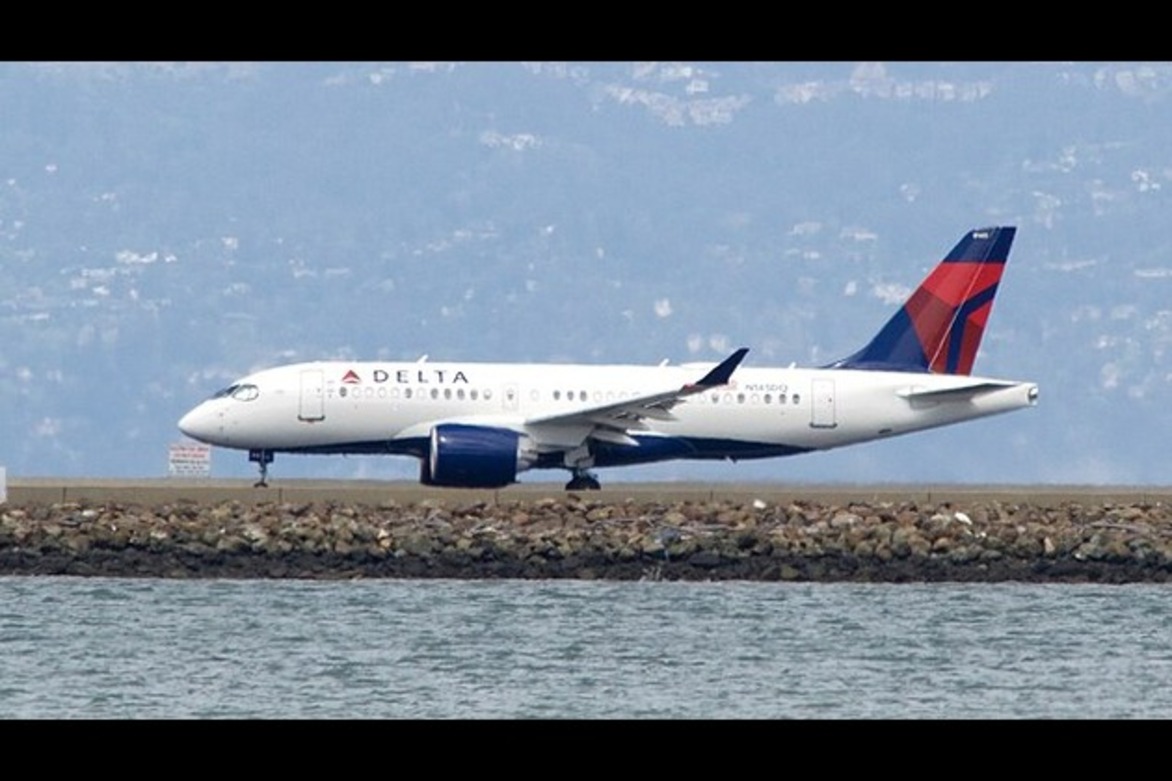
Delta Air Lines forecast lower-than-expected second-quarter profit and said it would reduce capacity to offset an additional US$2 billion in fuel costs expected during the period.
On April 8, Delta said it expects to pay about $4.30 a gallon for jet fuel in the June quarter, significantly higher than a year earlier.
Oil prices fell below $100 per barrel after the ceasefire announcement and the prospect of safe passage through the Strait of Hormuz. Still, jet fuel prices remain elevated, reflecting ongoing supply tightness.
Despite the challenges, airline and travel stocks surged globally. Shares of Qantas Airways rose more than nine percent, Air New Zealand climbed over four percent, Cathay Pacific gained five percent, and India's IndiGo rose eight percent.
In Europe, travel operator TUI jumped more than 12 percent, while Wizz Air gained 10 percent, Air France-KLM rose around 14 percent, and Lufthansa climbed 11 percent, outperforming broader equity markets. U.S. airlines also rallied in premarket trading.
While jet fuel supply disruption remains a risk, the ceasefire provided "a buying opportunity for quality airlines", analysts at Panmure Liberum said in a note.
Beyond aviation, the broader travel and tourism sector is also facing prolonged disruption.
TUI said it was assessing options for its cruise ships "Mein Schiff 4" and "Mein Schiff 5", which have been stranded in Abu Dhabi and Doha since the conflict began.
Skeleton crews are maintaining the vessels, and it could take at least four weeks to prepare them for future voyages, depending on operational conditions.
Economists say the recovery in travel demand will likely lag any improvement in supply conditions.
"You basically have a tail of around seven months post-ceasefire of sentiment impact," said Aaron Goldring, an economist at Oxford Economics, "with the perception of safety coming back quite gradually."
Even if key transit routes reopen, the Middle East's tourism industry, valued at about $367 billion, is expected to take months to recover fully.