
IMF meet opens under shadow of war-driven inflation fears
Anabelle Colaco
14 Apr 2026
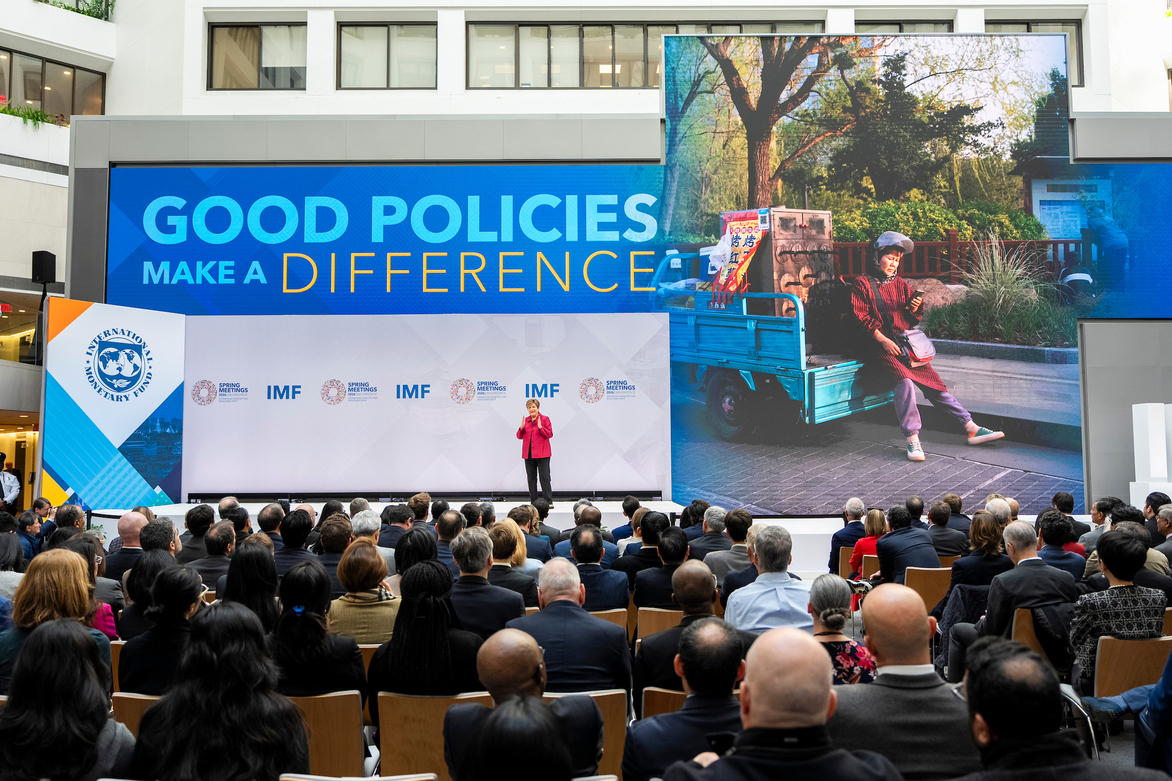
LONDON, U.K.: Governments around the world are scrambling to contain rising energy costs and economic fallout from the Iran war, as finance leaders gather for high-stakes meetings at the International Monetary Fund this week.
Alarm over the impact of the conflict on global growth intensified on Sunday, with multiple countries announcing emergency support measures while others sought international assistance to cushion the blow.
The war is the third major global economic shock after the COVID pandemic and Russia's invasion of Ukraine, and is set to dominate discussions among finance officials meeting in Washington.
Hopes of a quick recovery in oil flows through the Strait of Hormuz were dashed after U.S.-Iran talks over the weekend failed, leaving a fragile ceasefire under strain.
The IMF and World Bank have already signaled they will downgrade global growth forecasts and raise inflation projections, with emerging and developing economies expected to bear the brunt.
Nigeria said it would need greater international support to manage surging fuel costs, even as higher crude prices boost foreign exchange earnings. "The shock comes at a critical transition point, intensifying inflationary pressures and raising living costs for households," Finance Minister Wale Edun said in a statement ahead of this week's meetings in Washington.
Local petrol prices have surged more than 50 percent and diesel more than 70 percent since the start of the conflict, he added, warning that the shock could derail reforms launched in 2023 to stabilize the economy and revive growth.
Few countries have been spared the disruption caused by the halt in energy shipments through the strait since the war began on February 28, triggering what has been described as the worst-ever supply shock.
Germany's coalition government announced fuel relief worth 1.6 billion euros (US$1.9 billion), reversing earlier resistance to such measures.
"This war is the real cause of the problems we are experiencing in our own country as well," Chancellor Friedrich Merz said.
Sweden also unveiled an $825 million package, including fuel tax cuts and higher electricity subsidies.
"It is a signal that we will do whatever it takes to ... dampen the blow to households of what is happening now," Finance Minister Elisabeth Svantesson said.
In Britain, finance minister Rachel Reeves is expected to outline support for businesses struggling with high energy costs, while Prime Minister Keir Starmer pointed to global instability as he argued for closer ties with the European Union.
"We're in a world where there's massive conflict, great uncertainty, and I strongly believe the UK's best interests are in a stronger, closer relationship with Europe," he told BBC radio.
The crisis is also complicating central bank decisions worldwide, raising the risk of simultaneous slow growth and rising prices.
European Central Bank Vice President Luis de Guindos said any rate decision would depend on how higher oil costs feed into broader inflation.
Meanwhile, policymakers at the Bank of Japan are reassessing expectations for a rate hike amid deepening uncertainty.