
Understand reasons for protests, Ireland’s agriculture minister says
Mohan Sinha
14 Apr 2026
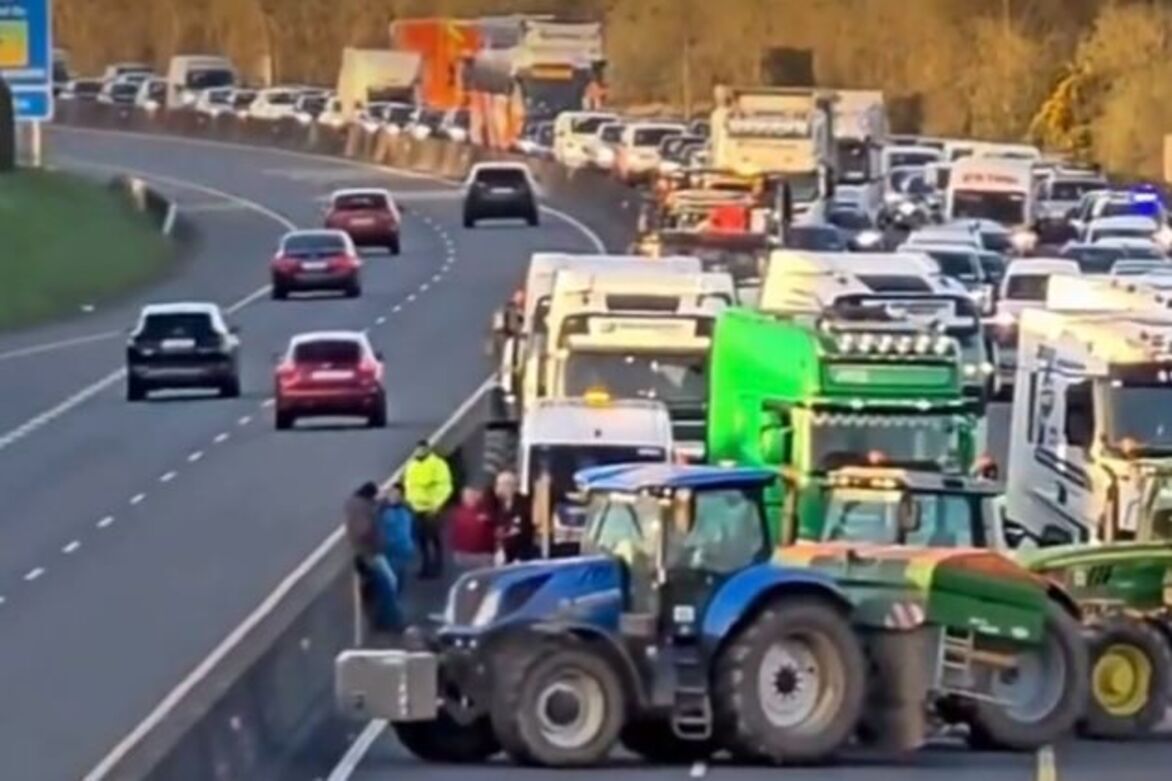
DUBLIN, Ireland: Minister for Agriculture Martin Heydon said on Monday that he understands that people are frustrated and that rising energy bills have pushed them to protest.
He told the Irish Examiner that some people on social media believe the government doesn't understand or listen, but he insisted that the government is responding quickly to the situation caused by the war in the Middle East.
Speaking on RTÉ Radio, he said the government does listen and must respond when many people protest. However, he added that there is a difference between peaceful protests and blocking important infrastructure.
Heydon said he strongly supports people's right to protest and express disagreement, but blocking key facilities is a different matter.
He also said the government has taken steps to reduce fuel costs. Along with a 7.2-cent cut in tax on green diesel, a new 100-million-euro subsidy has been introduced for heavy fuel users, giving an extra 20-cent-per-liter reduction.
He added that the government has already provided 140 million euros in support for truck drivers, as well as help for all citizens who use diesel. In total, fuel prices have been reduced by about 32 cents per liter for diesel and 27 cents per liter for petrol, along with the removal of the remaining taxes on green diesel and the addition of subsidies.
On April 12, Taoiseach Micheál Martin announced further reductions of duties on fuel and a delay in a carbon tax increase after an emergency Cabinet meeting agreed on a response to the fuel crisis following major protests.
The package over the weekend is around 505 million euros and comes on top of the measures worth 250 million euros announced almost three weeks ago.
The protests, which included blocking Ireland's only oil refinery and other important fuel depots, disrupted fuel supply across the country. This led to a stronger police response, and several people were arrested after clashes between police units and protesters.
The protests were mainly led by truck drivers, farmers, and agricultural workers. They started on April 7 with slow-moving convoys, road blockages on major highways, and blockades of key facilities. Most of these actions had eased by the afternoon of April 12.
The protesters demanded that the government take quick action to lower fuel prices, saying the costs are too high and could force many people out of business.
Government leaders criticized the protesters for blocking important infrastructure, even as they increased financial support measures to address the issue.
Martin said the government would carry out a major security review after the protests, which he said almost seriously threatened the country's oil supply by targeting key facilities, including Ireland's only oil refinery.