
10-pay pause in fighting between Israel, Lebanon announced by Trump
Mohan Sinha
17 Apr 2026
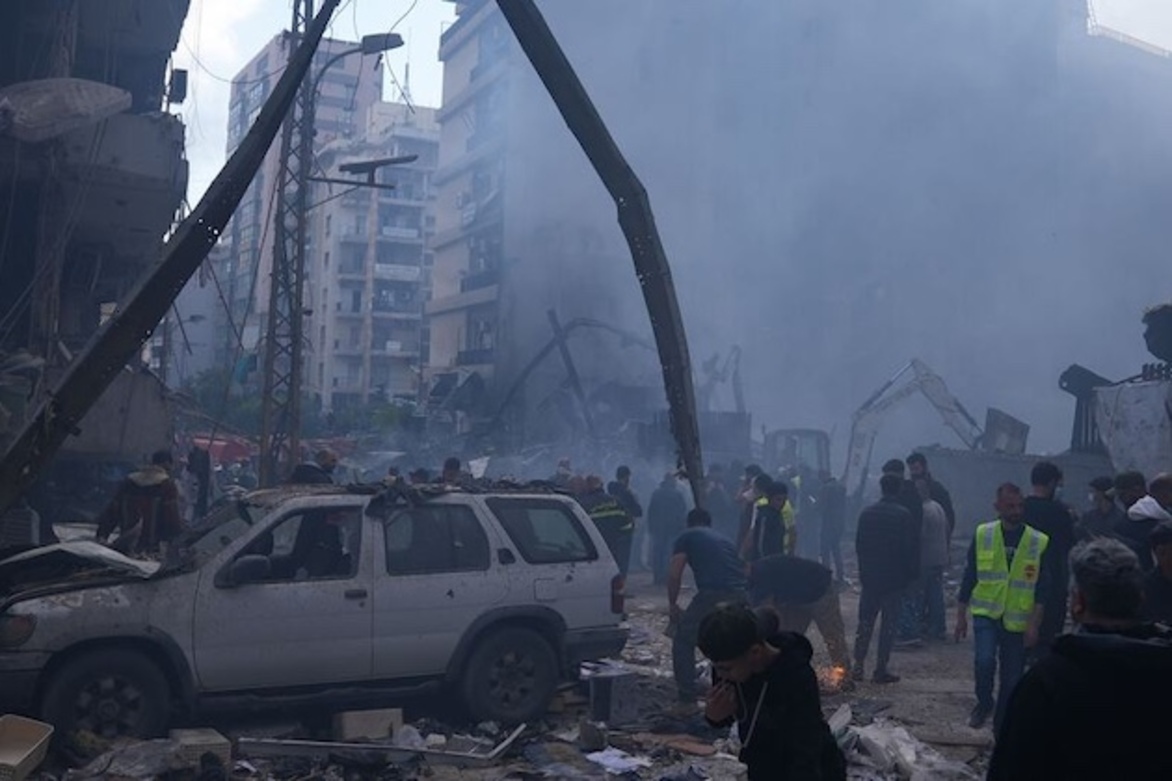
WASHINGTON, D.C.: U.S. President Donald Trump said there would be a 10-day pause in fighting between Israel and Lebanon starting at 5 p.m. ET on Thursday. He said this came after very good talks with the leaders of both countries.
Earlier that day, Lebanon's President Joseph Aoun refused to speak with Israel's Prime Minister Benjamin Netanyahu, even though Trump had said they would meet.
Earlier in the week, the ambassadors of Israel and Lebanon to the United States held their first direct talks in many years. Israel has been fighting Hezbollah, a militant group backed by Iran, in Lebanon. Nearly 2,200 people have been killed there in Israeli strikes.
A day before this, U.S. Treasury Secretary Scott Bessent warned Iran that the U.S. planned to increase economic pressure. He said the U.S. could impose sanctions on banks that do business with Iran, calling this move the financial equivalent of a bombing campaign.
‘Locked and Loaded' to Strike Iran's Power Plants
Earlier at a separate meeting, Pentagon chief Pete Hegseth said the U.S. forces were "locked and loaded" to strike Iran's power plants and energy industry if ordered.
He said the U.S. naval blockade of Iran is just an example of "polite" behavior during the ongoing ceasefire.
Standing with two of the most senior U.S. military officers, Hegseth said Iran should make careful decisions as it prepares for talks with the United States.
At a Pentagon briefing, Hegseth said that the U.S. was rebuilding its strength with greater power and better intelligence. He added that the U.S. was fully prepared to target Iran's key dual-use infrastructure, its remaining power systems, and its energy sector, though it would prefer not to take that step.
The Trump administration said on April 15 that it was hopeful about reaching an agreement to end the war with Iran, but also warned that economic pressure would increase if Iran continued to resist.
This includes a blockade imposed on April 13, during which the U.S. military turned back 13 ships. Trump is hoping the blockade will push Iran to accept U.S. conditions to end the war, which began on February 28 with U.S. and Israeli action.
These conditions include reopening the Strait of Hormuz, a key route through which about one-fifth of the world's oil and gas exports usually pass. Trump has also said that reopening the waterway is a condition of the ceasefire, which is set to expire next week.
General Dan Caine, chairman of the Joint Chiefs of Staff, said U.S. forces were ready to restart major combat operations immediately if needed.
Caine said U.S. Navy ships would track any Iranian-flagged vessel or any ship trying to supply Iran. He added that ships attempting to break the blockade would be stopped and warned that force would be used if they did not comply. He also said enforcement would take place both in Iran's territorial waters and in international waters.
File photo. Credit: UNHCR | Houssam Hariri