
Spirit Airlines seeks lifeline as fuel costs derail recovery plans
Anabelle Colaco
24 Apr 2026
WASHINGTON D.C.: The Trump administration is considering a financial rescue for Spirit Airlines as the low-cost carrier struggles to emerge from bankruptcy amid soaring jet fuel prices and weak investor interest.
Officials are in advanced discussions with the airline over a potential financing package that could include up to US$500 million in government support, according to sources familiar with the matter. In return, the U.S. government could receive warrants or a significant equity stake in the carrier.
President Donald Trump said he would prefer a private buyer for Spirit but did not rule out federal involvement. "It was possible that the federal government could get involved," he told CNBC.
The White House confirmed it is monitoring the airline's situation but declined to comment on the talks. Officials also suggested Spirit's position might have been stronger had a previous merger attempt with JetBlue not been blocked.
The airline's challenges have intensified as jet fuel prices surged following disruptions linked to the Iran conflict. Spirit's turnaround plan had assumed fuel costs of around $2.24 per gallon in 2026, but prices reached about $4.24 by mid-April — nearly double expectations.
That sharp increase has complicated efforts to stabilize operations. Spirit has already said it plans to cut its fleet to about one-third of its pre-bankruptcy size, retaining roughly 76 to 80 aircraft by the third quarter of 2026.
Industry leaders remain skeptical about the airline's future. United Airlines CEO Scott Kirby said he was uncertain about the outcome of any government support and questioned the viability of Spirit's business model, describing it as fundamentally flawed.
Government officials have also raised concerns about the risks of a bailout. Transportation Secretary Sean Duffy cautioned against using public funds without clear prospects for recovery.
"What we don't want to do is put good money after bad, and there's been a lot of money thrown at Spirit, and they haven't found their way into profitability. And so would we just forestall the inevitable and then own that?" Duffy said. "Or does Spirit have some pathway to make it, and I don't know the answer to that."
He also questioned the broader implications of intervention, asking: "If no one else wants to buy them, why would we buy them?"
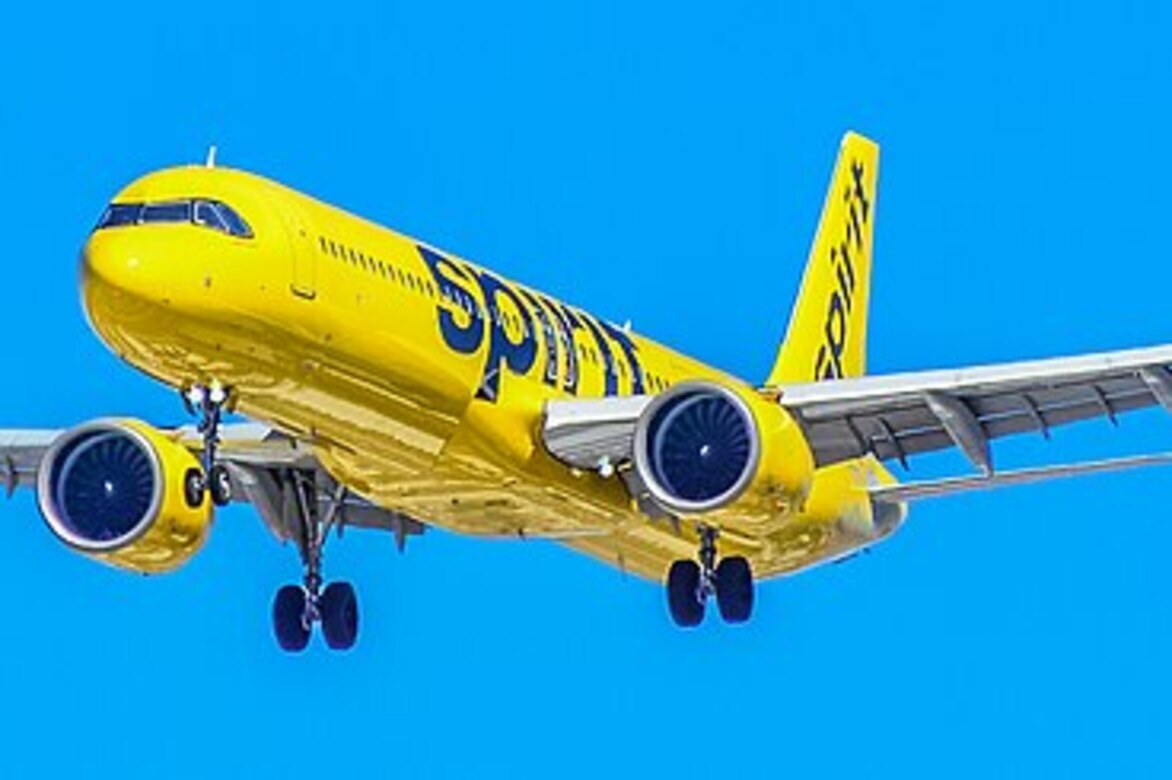
Spirit, known for its no-frills, low-cost model and bright yellow aircraft, has long targeted budget-conscious travelers willing to forgo add-ons such as baggage and seat selection.
The airline declined to comment on the discussions but said it continues to operate normally.
Analysts say rising fuel costs are forcing airlines across the industry to reassess operations, potentially triggering consolidation or further restructuring if the pressure persists.