
Fed likely to pause as inflation risks cloud outlook
Anabelle Colaco
29 Apr 2026
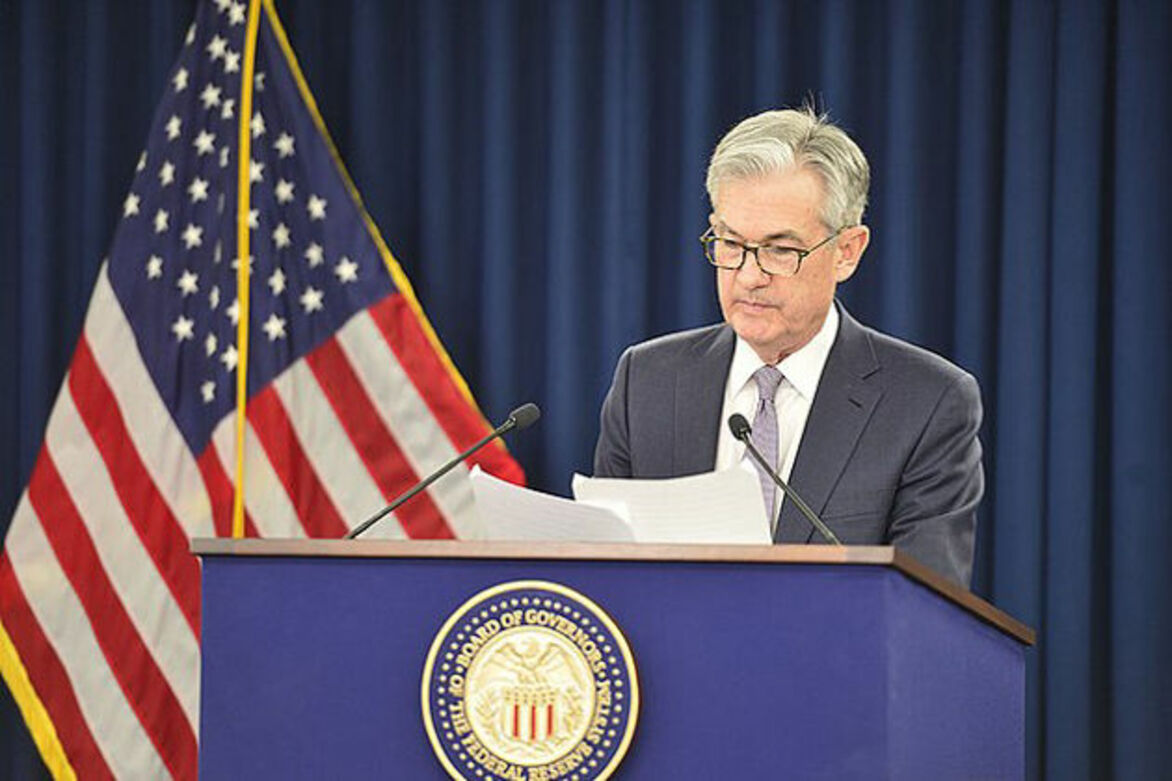
WASHINGTON, D.C.: The U.S. Federal Reserve is expected to leave interest rates unchanged this week, as policymakers weigh rising inflation risks tied to energy prices and growing uncertainty over the central bank's leadership.
The Federal Open Market Committee is widely expected to keep its benchmark rate in the 3.50 percent to 3.75 percent range when it concludes its meeting on April 29. The decision would extend a pause that has been in place since December, even as economic conditions become more complex.
The meeting could mark one of Jerome Powell's final appearances as Fed chair. His term may end as soon as May 15, following progress in the Senate confirmation of his potential successor, Kevin Warsh.
Despite the leadership uncertainty, the policy focus remains firmly on inflation. Energy prices have surged since the start of the U.S.-Iran conflict, pushing up costs across the economy and complicating the Fed's outlook. Brent crude prices have risen about 50 percent since the war began, contributing to the largest increase in the U.S. Consumer Price Index in nearly four years.
Central bank officials now face a difficult balancing act: containing inflation while supporting a labor market that may be softening.
"The longer energy prices remain elevated, and the strait is constrained, the greater the chances that higher inflation gets embedded across a wide variety of goods and services, various supply chain effects start to emerge, and real activity and employment start to slow," Fed Governor Christopher Waller said last week.
The possibility of rate cuts has faded, with markets now expecting borrowing costs to remain steady through at least mid-2027. Instead, attention is shifting to whether the Fed might signal openness to raising rates again if inflation continues to climb.
"The Fed may have to deal with both a weakening labor market and high inflation, a situation that is 'very complicated for a policymaker,'" Waller said.
Some officials have already begun discussing that risk. Minutes from the Fed's March meeting showed growing concern that inflation could persist above the central bank's two percent target, raising the prospect of a policy shift.
Monetary policy right now "is in a good place, and I think it's probably going to be appropriate to maintain policy at this level for some time," St. Louis Fed President Alberto Musalem said earlier this month.
He added that sustained high energy costs could eventually push up underlying inflation: "at that point, the risk of de-anchoring inflation expectations would become relevant. Right now, inflation expectations medium to long term are very anchored, but they would become relevant, and at that point it might be appropriate to raise rates."
Powell's press conference following the decision is expected to offer further clues on both the policy outlook and his own future at the Fed, including whether he will remain on the Board of Governors through 2028.