
Bulgaria Among Top 4 in EU for Sharpest Diesel Price Rise
Novinite.com
29 Apr 2026
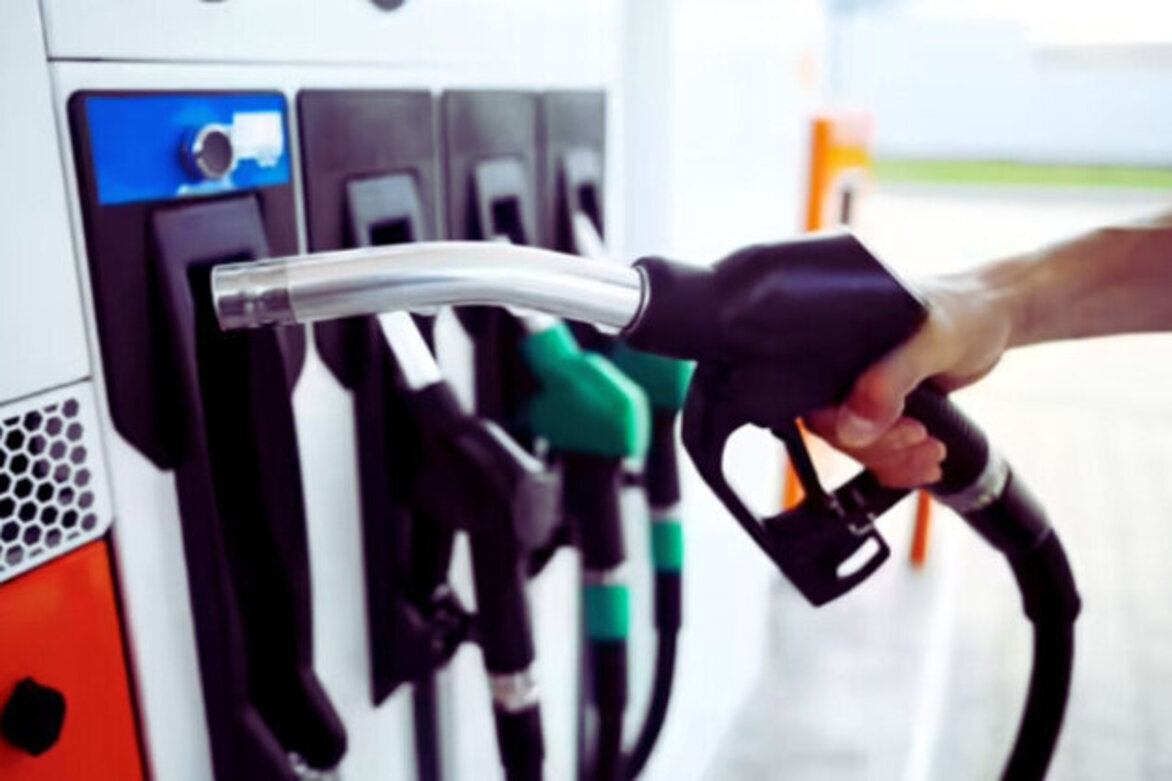
Bulgaria ranks among the top four European Union countries with the sharpest increase in diesel prices, according to energy expert Tsvetomir Nikolov from the Center for the Study of Democracy. He said the country is grouped with Estonia, Luxembourg and Belgium in terms of the scale of the rise.
Speaking on Nova TV, Nikolov explained that the impact of the conflict in the Middle East is expected to continue affecting fuel prices for several more months, with the pressure likely to remain at least until October.
According to him, one of the main reasons behind the stronger rise in diesel prices is the fact that diesel remains the most widely used fuel across the European Union, which naturally makes it more sensitive to supply disruptions and market shifts.
?The reasons for this growth are the low base, the fact that diesel is the most widely used fuel in the EU. That is why it is growing much more than gasoline,? Nikolov said.
He added that exports and strong demand are also contributing factors pushing prices upward.
Another major concern, according to the expert, is kerosene, which is heavily used by the aviation sector. He pointed out that Europe has long struggled with limited local production capacity and depends heavily on imports from refineries in the Middle East.
Following disruptions around the Strait of Hormuz, airlines and suppliers have been forced to seek alternative sources from other parts of the world, creating both logistical difficulties and significantly higher costs.
?After the Strait of Hormuz was stopped, we have to look for kerosene from other refineries around the world. This makes it more expensive, since it is an unplanned transfer and search for new suppliers,? he explained.
Nikolov said the price of kerosene has effectively doubled, and because of the physical shortage of supply, many airlines have already started cancelling or refusing flights.
He also noted that crude oil supply contracts are generally based on floating pricing models with longer time horizons, which helps stabilize direct supply costs. However, he stressed that the real issue lies not in the initial price of crude oil itself, but in the broader global market conditions.
According to him, these international price pressures are extremely difficult for both the Bulgarian government and the European Union to shield consumers from, as the market is driven by global factors far beyond local control.