
Amazon targets logistics market with supply chain service launch
Anabelle Colaco
05 May 2026
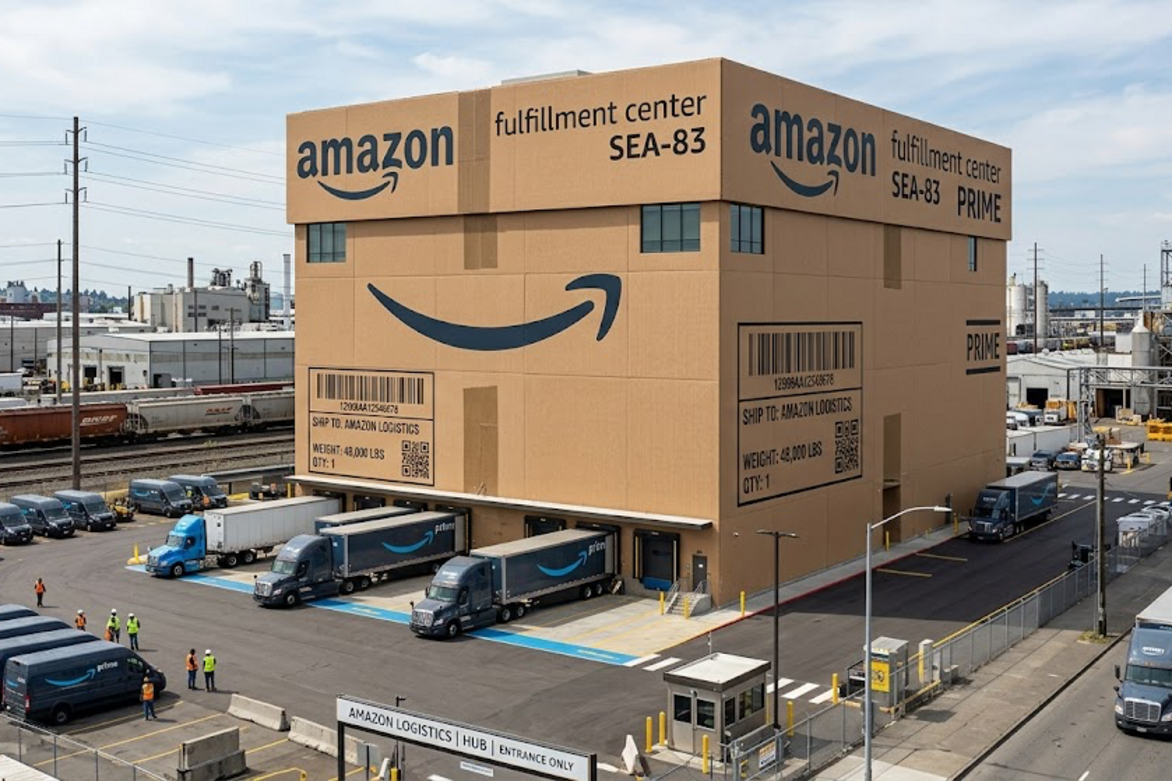
SEATTLE, Washington: Amazon is moving deeper into the logistics business by opening its vast supply chain network to outside companies, marking a major expansion beyond its core retail operations.
The new offering, called "Amazon Supply Chain Services," will allow businesses across sectors such as retail, healthcare, and manufacturing to use Amazon's infrastructure to move, store, and deliver goods. The network spans ocean, road, rail, and air transport, covering everything from raw materials to finished products.
The move positions Amazon more directly against established logistics players like UPS and FedEx, both of whose shares fell by more than 6% on May 4 following the announcement, while Amazon's stock edged higher.
By opening up its logistics capabilities, Amazon is looking to create a new growth engine for its e-commerce division, building on services it already provides to thousands of third-party sellers worldwide.
With more than 100 cargo planes, tens of thousands of trailers, and a sprawling network of warehouses and sorting hubs, Amazon has built one of the largest logistics operations in the world. The company will now offer services including distribution, fulfillment, parcel delivery, warehousing, and inventory forecasting. Businesses using the platform can also tap into Amazon's two- to five-day delivery timelines.
Analysts see the move as part of a broader strategic shift. "Amazon is trying to convert logistics from a cost burden into an infrastructure product," said Parth Talsania, CEO of Equisights Research.
"For UPS and FedEx, this is not immediate disruption, but it is a structural warning shot, especially in e-commerce-heavy lanes where Amazon already has density, data, and delivery-speed advantages," he added.
The expansion targets the business-to-business shipping market, a segment known for higher margins and more predictable delivery patterns compared with consumer shipments.
Amazon said companies will be able to use its logistics services across all sales channels, including their own websites, social media platforms, and physical stores. It has already signed up major clients such as Procter & Gamble, 3M, and American Eagle Outfitters.
The initiative echoes Amazon's earlier strategy with Amazon Web Services, which began as an internal tool to support its operations before becoming the world's leading cloud platform.