
Cash, gold worth $82 million seized by Hungary returned to Ukraine
Mohan Sinha
09 May 2026
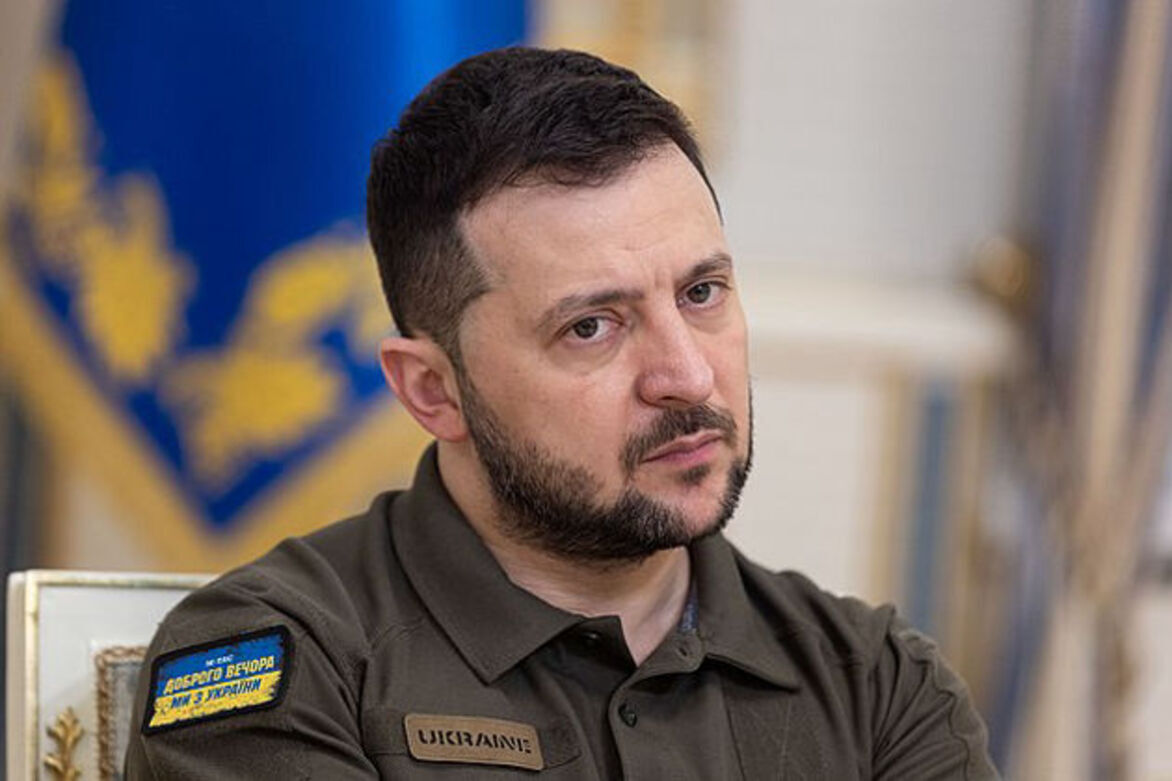
BUDAPEST, Hungary: Ukrainian President Volodymyr Zelenskyy said this week that Hungary had returned a shipment of cash and gold worth around US$82 million that it had seized earlier this year, to the state-owned Oschadbank.
Hungary seized valuable goods on March 5 as they were being transported in two armored cars across the country. This angered Ukraine, whose officials said Hungary's pro-Russian government acted illegally and used the incident to support Prime Minister Viktor Orbán's anti-Ukraine election campaign.
The two neighboring countries were already arguing over Hungary's supply of Russian oil via a pipeline that passes through Ukraine.
However, on May 6, President Volodymyr Zelenskyy said on social media that returning the valuables was an important step toward improving relations, especially after Orbán lost the recent election. This raised hopes that Hungary's new government would take a friendlier approach toward Ukraine. Zelenskyy thanked Hungary and praised the decision as fair.
When the valuables were first seized, Hungarian authorities said they suspected money laundering. Orbán ordered the shipment, which included $40 million, 35 million euros in cash, and 9 kilograms of gold, to be held for up to 60 days while it was investigated.
The Ukrainian bank workers traveling with the shipment were detained for more than a day and then expelled from Hungary.
Ukraine said the shipment was just a routine transfer between state banks and accused Orbán's government of trying to pressure Ukraine to restore Russian oil supplies through the Druzhba pipeline, which had been damaged earlier.
Orbán also ordered an investigation into where the money came from, where it was going, and who was involved. He even suggested, without proof, that the money might have been meant to support his political rival, the Tisza party, which later won the election.
Earlier, Orbán's government had blocked a large European Union loan to Ukraine because of the oil supply issue. But after the oil flow resumed and Orbán lost the election, Hungary removed its objection and allowed the loan to proceed.