
Despite economic pressure, Tehran could resist blockade for 4 months
Mohan Sinha
10 May 2026
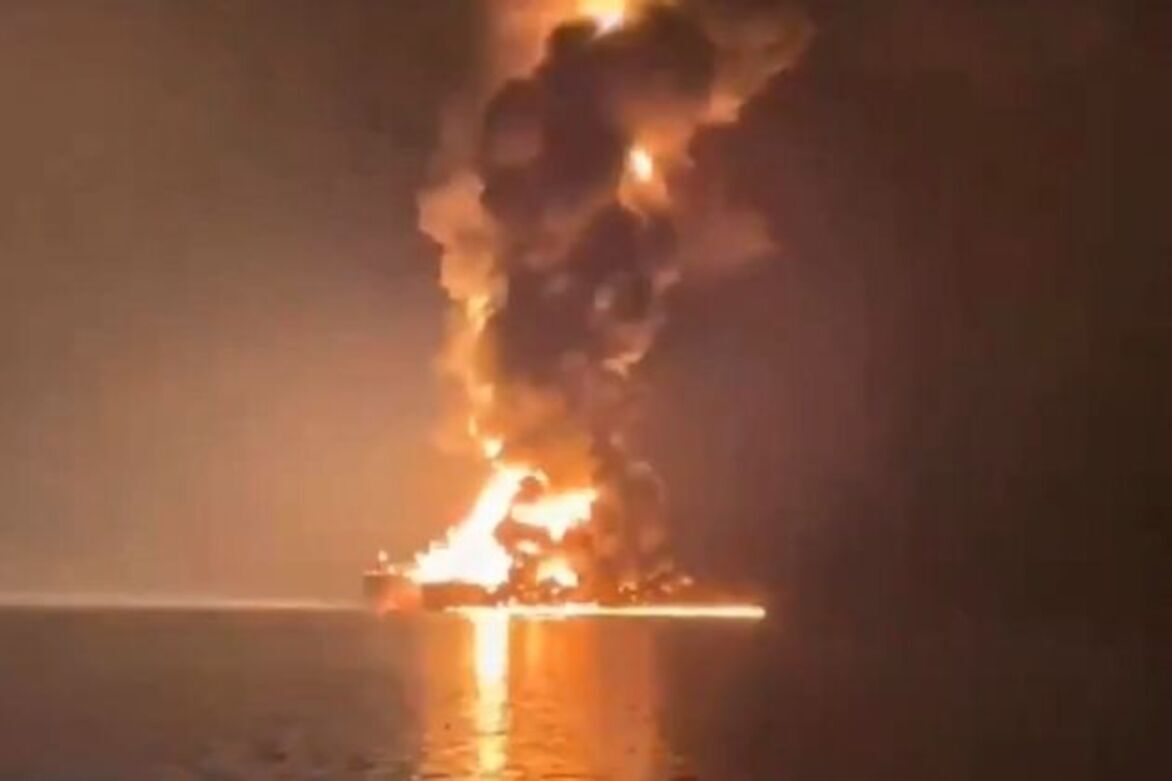
WASHINGTON, D.C.:/CAIRO: Even as the forces of the United States and Iran exchanged fire in the Middle East on May 8, a U.S. intelligence analysis concluded Tehran could withstand a naval blockade for at least four months.
A U.S. official said a CIA report found that Iran would not feel strong economic pressure from a U.S. blockade of its ports for about four more months. This suggests the U.S. does not have much leverage over Iran as both sides try to end a war that is unpopular with American voters.
The report was first shared by The Washington Post.
However, a senior intelligence official denied the claims, calling them false and saying the blockade is already causing serious damage by cutting trade, reducing income, and pushing the economy toward collapse.
In recent days, fighting has increased in and around the Strait of Hormuz, even though a ceasefire began a month ago. The United Arab Emirates was attacked again on May 8.
The U.S. is waiting for Iran's response to a proposal to officially end the war first and discuss more difficult issues, like Iran's nuclear program, later. U.S. Secretary of State Marco Rubio said they expected a reply soon. Iran said it was still deciding and had not responded by late afternoon in Washington.
There were also some clashes between Iranian forces and U.S. ships in the Strait of Hormuz, though reports later said things had calmed down, with a warning that fighting could start again.
The U.S. military said it hit two ships linked to Iran that were trying to enter an Iranian port, forcing them to turn back.
Since the war began with U.S.-Israeli airstrikes on February 28, Iran has mostly blocked foreign ships from using the strait. The U.S. also started blocking Iranian ships last month.
Oil prices rose, with Brent crude above US$101 per barrel, though they were still lower than earlier in the week.
U.S. President Donald Trump said the ceasefire was still holding despite the recent tensions in the strait, which normally carries about 20 percent of the world's oil.
The conflict has also spread beyond the Strait. The UAE said it intercepted two missiles and three drones from Iran, and three people were moderately injured.
During the war, Iran has often targeted the UAE and other Middle East countries that host U.S. military bases. The UAE called the latest attacks a major escalation, linking them to Trump's plan, "Project Freedom," to protect ships in the strait, which was paused after two days.