
Oil climbs after reports of threats to key shipping routes
Anabelle Colaco
02 Jun 2026
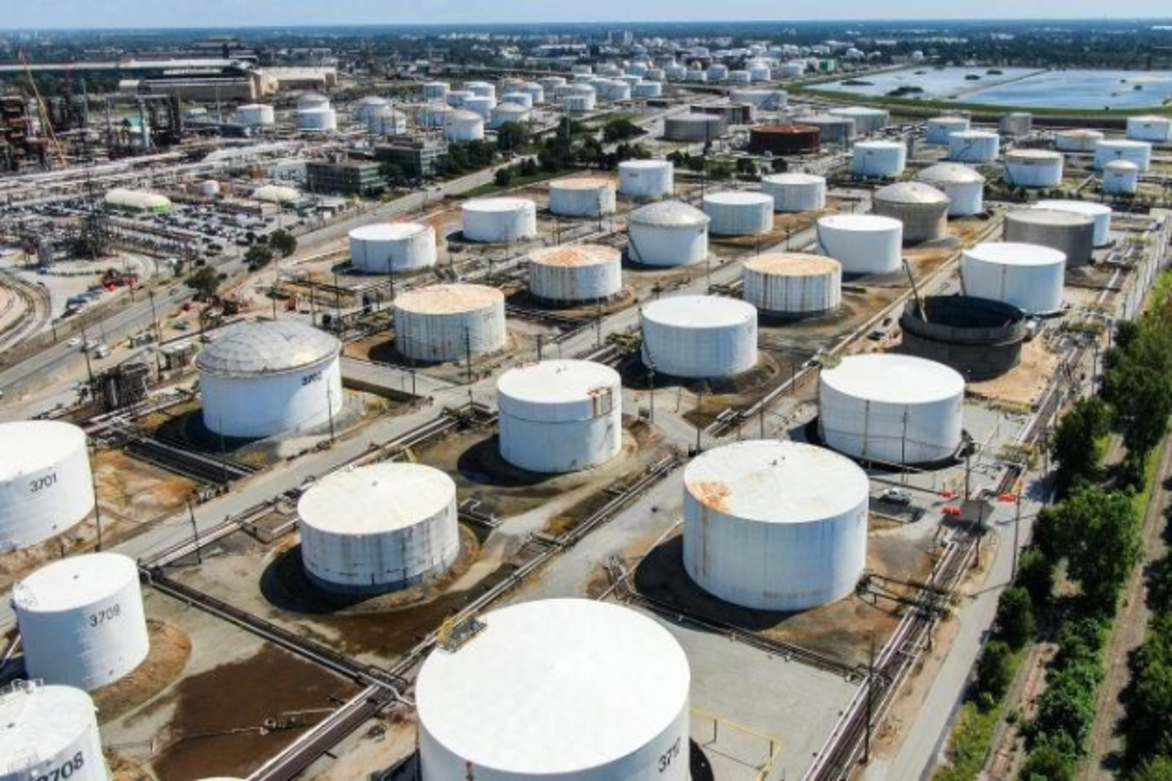
NEW YORK CITY, New York: Oil prices surged by about $5 a barrel on June 1 as fears of further disruptions to global energy supplies intensified following reports that Iran and its allies were considering actions that could threaten key shipping routes in the Middle East.
Brent crude rose $4.80, or 5.2%, to $95.92 a barrel, while U.S. West Texas Intermediate crude gained $5.46, or 6.2%, to $92.82. Both benchmarks later pared some gains after U.S. President Donald Trump told CNBC he was unconcerned about reports that indirect talks between Washington and Tehran had been suspended.
Iran's Tasnim news agency reported that plans were being discussed for Iranian forces and allied groups to completely block the Strait of Hormuz and potentially target other strategic waterways.
The developments added to concerns that the conflict could further disrupt energy supplies and shipping routes across the Middle East.
"It just seems that both sides are in different worlds," said Andrew Lipow, president of Lipow Oil Associates.
"The longer the conflict continues, the lower commercial inventories will get ... at which time prices spike. We are only a month or two away from that," Lipow added.
The possibility of disruption to the Strait of Hormuz remains a major concern for global energy markets. The waterway is one of the world's most important transit routes for oil and liquefied natural gas shipments. An Axios report cited on social media last week said Iran had placed additional mines in the strait.
"Even if an agreement is reached, it won't deliver a flood of supply," said IG analyst Tony Sycamore, referring to continuing risks in the region.
Shipping executives meeting in Athens on June 1 said any future peace agreement would need to provide clear guarantees for commercial vessels before normal traffic through the Strait of Hormuz could resume.
Alongside supply concerns, fresh economic data from China added to market uncertainty. Factory activity in the world's second-largest economy remained weak, raising concerns about future demand growth.
Saudi Arabia is expected to reduce official selling prices for crude oil sold to Asia for a second consecutive month in July, according to a Reuters survey.
In Russia, the government is considering measures to safeguard domestic fuel supplies. RBC news outlet reported that Moscow may increase fuel imports from Belarus and is discussing a temporary ban on gasoline exports.
Kazakhstan has meanwhile restored oil production to 290,000 metric tons per day after earlier disruptions at the Tengiz oilfield, the country's largest, Energy Minister Erlan Akkenzhenov said.
Goldman Sachs warned that weaker oil demand in China and Europe could weigh on prices later this year. The bank said soft demand poses a downside risk to its fourth-quarter Brent crude forecast of $90 a barrel and WTI forecast of $83.
However, Goldman added that any further supply disruptions in the Middle East could still drive prices significantly higher.