
Iran, US could sign framework for peace deal, but after Sunday
Mohan Sinha
14 Jun 2026
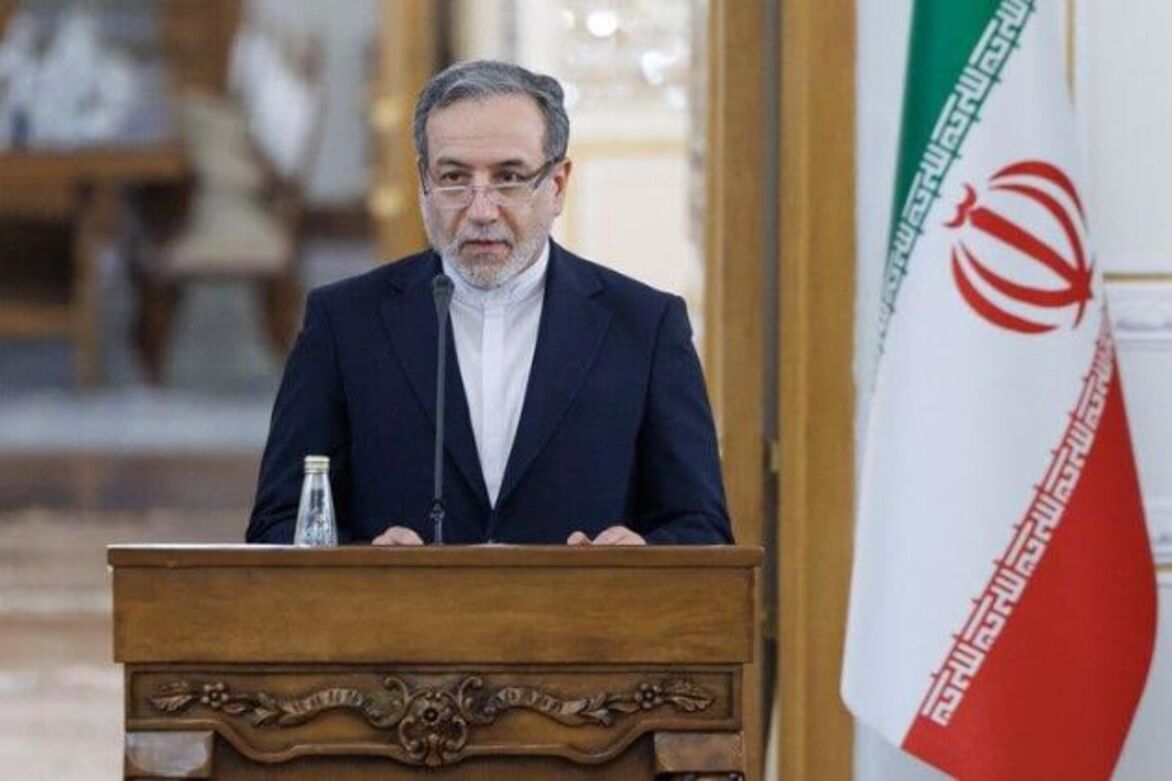
DUBAI/WASHINGTON: Iran said on June 13 that it could sign a basic peace agreement with the United States in the next few days, but rejected Pakistan's suggestion that it would happen within 24 hours.
Both the U.S. and Iran indicated on June 12 that they were close to ending three months of war. A U.S. official said both sides had agreed on a draft and expected to sign an initial deal soon. Pakistan's Prime Minister Shehbaz Sharif also said a framework had been agreed and preparations were being made for an electronic signing, followed by technical talks next week.
Sharif suggested the deal might be signed on June 14, but Iran's Foreign Ministry spokesperson, Esmaeil Baghaei, urged caution, saying the exact timing was still unclear and that it would not happen the next day. He added that while a deal in the coming days was possible, uncertainty from the other side meant no firm timeline could be given.
Although both sides have seemed close to a deal before without finalizing it, Sharif said they were now closer than ever. U.S. President Donald Trump did not comment directly but shared Sharif's statement.
The war began on February 28 with U.S.-Israeli strikes on Iran. Iran responded by targeting U.S. military sites in the Gulf, and Hezbollah in Lebanon attacked Israel, restarting the conflict there. The war has killed thousands, mainly in Iran and Lebanon, and pushed up global energy prices. Iran also blocked the Strait of Hormuz, a key oil route, while the U.S. blocked Iranian ports.
Iran's Supreme Leader Ayatollah Ali Khamenei was killed in an airstrike at the start of the war and replaced by his son Mojtaba. His funeral will begin in Tehran on July 4 and end with his burial in Mashhad on July 9.
Iran's Foreign Minister Abbas Araqchi said changes to the deal were still possible but claimed Iran had come out stronger from the war. He even called Iran the winner. Soon after, U.S. forces shot down several Iranian drones heading toward the Strait of Hormuz, saying they threatened commercial ships, though the waterway remained open.
The proposed agreement would reopen the strait and end the U.S. naval blockade of Iranian ports. Talks on Iran's nuclear program would follow. A U.S. official said the deal met key U.S. goals and put negotiations in a strong position.
Draft terms suggest the U.S. may release billions of dollars of frozen Iranian funds and ease oil sanctions in exchange for Iran reopening the strait. Nuclear talks would take place over 60 days, with the U.S. aiming to dismantle Iran's nuclear program and remove its enriched uranium. However, Iran wants to keep the uranium in a diluted form.
The proposals may also include discussions on war compensation for Iran and possibly dropping U.S. demands to limit Iran's missile program, though a U.S. official denied this.
Israel's Prime Minister Benjamin Netanyahu said Israel would not be part of the agreement and has disagreed with Trump over limiting Israeli military actions in Lebanon to help secure a deal with Iran.