
3 Saudi-flagged tankers cross strait; Israel continues to hit Lebanon
Mohan Sinha
20 Jun 2026
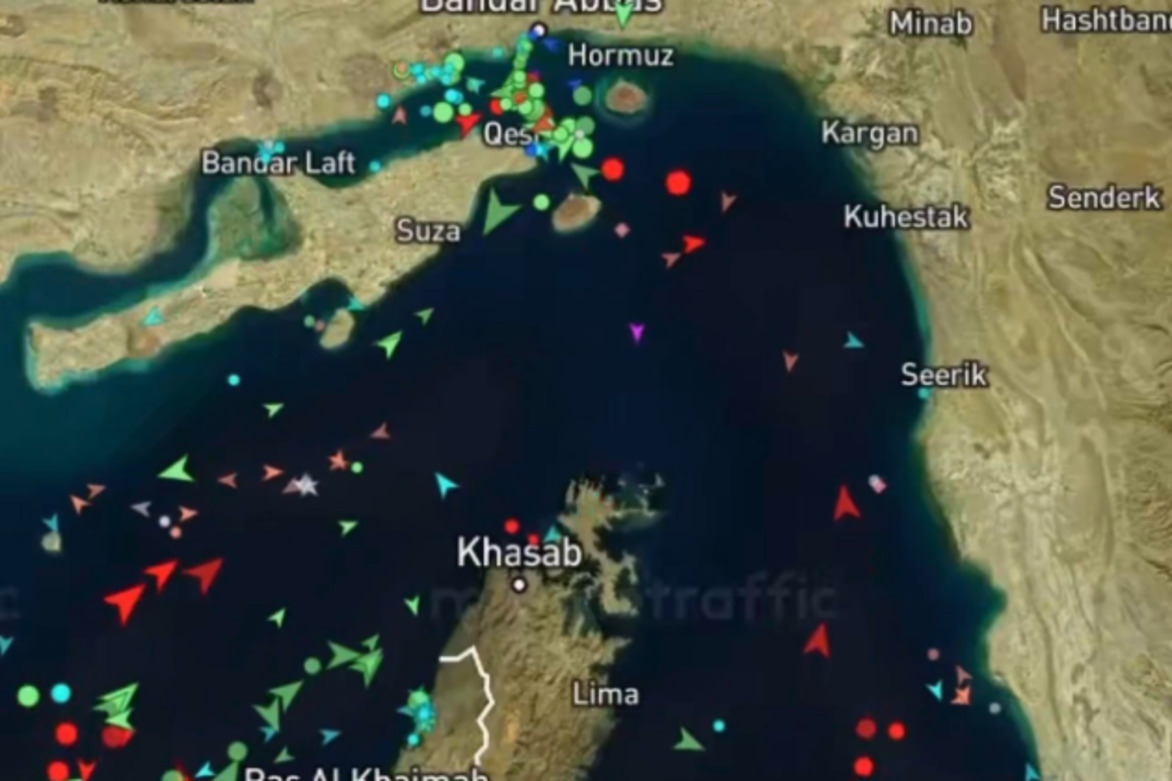
BEIRUT/JERUSALEM/QLAILIEH, Lebanon: Three Saudi-flagged supertankers carrying six million barrels of oil passed through the Strait of Hormuz on June 18, just hours after U.S. President Donald Trump signed a deal with Iran to end the war that had disrupted global energy supplies.
However, in Lebanon, where the fighting has displaced more than a million people, Israeli forces carried out new airstrikes on the morning of January 18. This raised doubts about how far Trump will go to make his wartime allies stop their attacks, even though he has promised to end the conflict.
Trump signed the "memorandum of understanding" on June 17 to end the war, and Iran's President Masoud Pezeshkian also signed it, bringing the deal into effect two days earlier than expected. The agreement calls for the Strait of Hormuz to reopen immediately and for the U.S. to lift its blockade of Iranian ports.
Although shipping companies say it will take time for traffic through the strait to return to normal, because safety must be ensured and mines cleared, there were quick signs of improvement. Ships that had earlier hidden their positions by turning off tracking systems were now showing their locations as they prepared to pass through the strait.
Global oil prices also reacted, with Brent crude falling another two percent to below US$78 a barrel, the lowest level since the conflict began.
The U.S.-Iran deal starts a 60-day period of negotiations to reach a final peace agreement for the war, which Trump began in February, along with Israeli Prime Minister Benjamin Netanyahu.
However, Israel was not included in these talks, even though it launched an invasion in March and has taken control of large parts of southern Lebanon while targeting Hezbollah fighters who had attacked across the border in support of Iran.
Iran has always insisted that any peace deal must also include Lebanon. In a major concession, the agreement signed by Trump calls for a "permanent end" to the war in Lebanon and for the country's territorial integrity and sovereignty to be protected.
Because Lebanon is one of the most sensitive issues in the peace effort, Trump has recently criticized Israel's actions there, accusing it of destroying entire buildings unnecessarily to target Hezbollah fighters.
Israel has said it does not plan to withdraw from Lebanon, no matter what Trump negotiates. On June 18, it released a new map showing a larger area in southern Lebanon under its control, which it describes as a buffer zone.
Two Israeli officials, including one close to Netanyahu, told Reuters that Israel is in talks with the United States to keep its troops in Lebanon. One senior official described the talks as "stubborn" and said Israel would not give in. In contrast, another said the outcome depends on whether Trump decides to pressure Israel by threatening consequences.