
US allows Iranian crude sales as nuclear talks advance
Anabelle Colaco
25 Jun 2026
WASHINGTON, D.C: The United States has temporarily authorized the sale of Iranian oil and petroleum products, easing decades-old sanctions as Washington seeks a final peace agreement with Tehran.
The Treasury Department announced the 60-day general license on June 22. It allows the production, delivery, and sale of Iranian crude oil, petrochemicals, and petroleum products through August 21.
The move follows an interim memorandum of understanding signed by the United States and Iran last week. Under the framework, Washington agreed to issue waivers covering Iranian crude exports and related services, including banking transactions, insurance, and transportation.
The license also permits the import of Iranian oil into the United States when necessary to complete a sale, delivery, or offloading. The U.S. has not meaningfully imported Iranian oil since imposing measures after Iran's 1979 revolution.
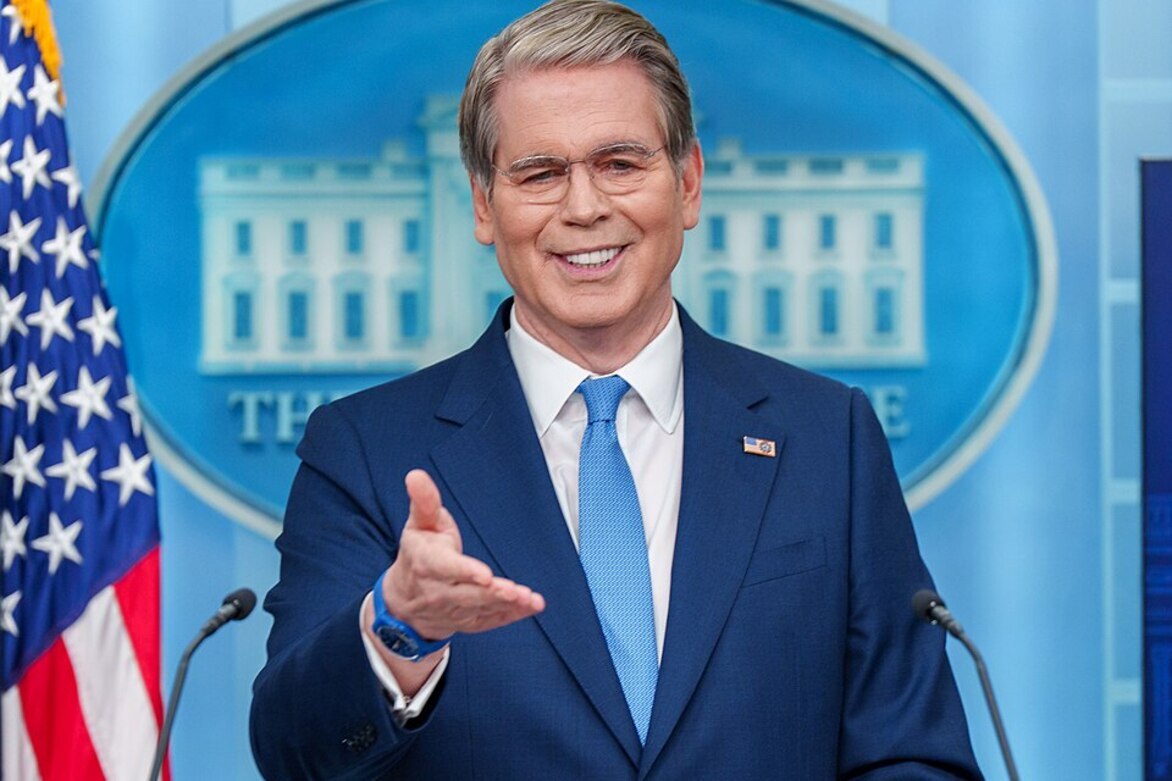
"In line with the ongoing productive talks in Switzerland, Iran has committed to free and open transit in the Strait of Hormuz and to permit International Atomic Energy Agency (IAEA) inspectors into their country," Treasury Secretary Scott Bessent wrote on X.
"As part of the framework, Treasury has issued a temporary 60-day general license authorizing the production, delivery, and sale of Iranian oil."
Payments to Iran may be made in U.S. dollar-denominated funds under the license. Cuba, North Korea, and Crimea are excluded from the authorization.
Washington first imposed sanctions on Iran in 1979 after revolutionary students seized the U.S. embassy in Tehran and held American diplomats hostage. Further sanctions were imposed over Iran's nuclear program and its support for groups the United States considers terrorist organizations.
Independent Chinese refiners have been the main buyers of sanctioned Iranian oil in recent years, benefiting from steep discounts as other buyers avoided the crude. Before U.S. sanctions were reimposed in 2018, India, South Korea, Japan, Italy, Greece, Taiwan, and Turkey were also major buyers.
The announcement came as mediators said Washington and Tehran made "encouraging progress" during the first round of talks aimed at reaching a final peace deal.
The talks began under the terms of last week's memorandum, which extended a fragile ceasefire from April for at least another 60 days.
Oil prices had surged after Tehran began blockading the Strait of Hormuz, prompting a U.S. blockade of Iranian ports. Prices fell to their lowest levels since before the conflict began on February 28 after the interim agreement was reached.