
Iran says it has right to control Strait of Hormuz, warns neighbors
Mohan Sinha
28 Jun 2026
DUBAI/LONDON: Tehran again said on June 26 that it has the right to control shipping in the Strait of Hormuz and warned countries in the Middle East not to support the United States. This came a day after an attack on a ship near Oman showed how fragile a temporary deal to end the Iran war is.
Iran was reacting to what it called an "interventionist, irresponsible and provocative" joint statement by the United States and six Middle East countries, which rejected Iran's claim that it could charge fees to ships passing through the strait.
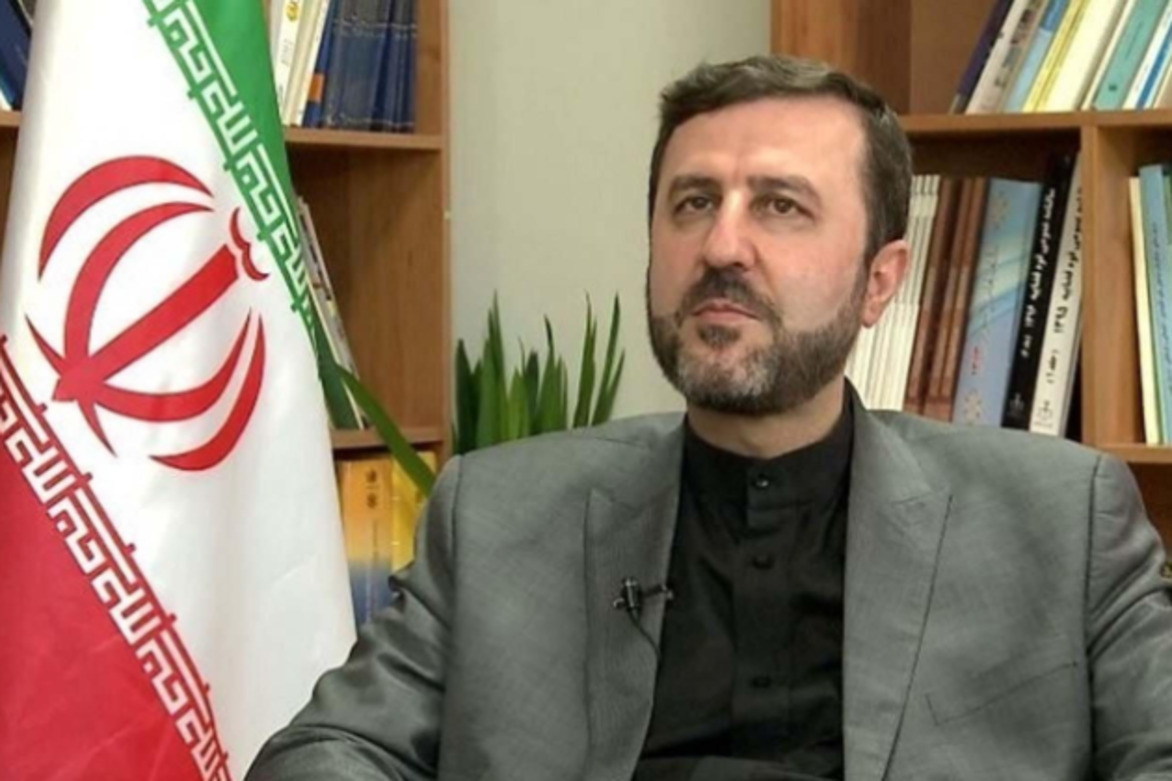
Deputy Foreign Minister Kazem Gharibabadi said on X that safe travel through the Strait of Hormuz cannot be ensured if Iran's role as a coastal country is ignored or if unclear systems and alternative routes are used.
Showing the risks to shipping, Iranian state TV said three foreign oil tankers trying to pass through the strait without permission were warned and turned back by the Revolutionary Guard. No more details were given.
A U.S. official said they are aware of these reports and are checking them. The official added that President Donald Trump has made it clear that Iran cannot interfere with free movement in the strait.
Oil prices fell by more than three percent on June 26, heading for big weekly losses, even with mixed views about last week's temporary deal between Iran and the U.S. and reduced traffic in the strait, where about one-fifth of the world's oil and gas supplies usually pass.
Saudi Aramco restarted loading crude oil on June 26 at its Ras Tanura port, the world's largest oil port, after stopping for nearly four months, according to shipping data.
Fertilizer shipments through the strait have also increased, helping to reduce fears of a rise in global food prices due to the waterway's prolonged closure.
U.S. Secretary of State Marco Rubio, finishing a visit to Gulf countries to reassure allies about the temporary deal, said on June 25 that if Iran threatens or blocks ships in the strait, it would cause serious problems.
The United Nations' International Maritime Organization stopped its ship escort operations in the Strait of Hormuz on June 25.
In a joint statement, Rubio and the Gulf Cooperation Council called for unrestricted movement through the strait without fees or attempts at control. They also said any long-term peace must deal with Iran's missiles, drones, and support for allied groups.
Iran's foreign ministry responded on June 26, saying the U.S. military presence in the Middle East is the main cause of insecurity and division. It added that Iran and Oman should manage the Strait in accordance with the temporary deal.
It warned against continuing hostile and interfering policies in the region.
Tehran took effective control of the waterway after U.S.-Israeli strikes on Iran on February 28, which started the war, disrupted oil supplies, and shook global energy markets and the economy. Iran later attacked Israel and the Middle East countries hosting U.S. bases, while Hezbollah fighters also attacked Israel from Lebanon, increasing tensions again.
Ali Akbar Velayati, a senior adviser to Iran's supreme leader, warned U.S. allies in the Gulf, saying their stability depends on Iran's long-term management of the Strait of Hormuz, and their survival depends on Tehran's tolerance.
Taiwan's Evergreen Marine said on June 26 that its Singapore-flagged ship Ever Lovely was hit near Oman a day earlier by an unknown object while following a route suggested by a British naval agency. No one was injured, and the ship continued its journey out of the strait.
Two U.S. officials told Reuters that Iran had fired at the ship. Iran's Strait Authority said that ships using unauthorized routes would be responsible for any consequences.
The U.S. government did not comment immediately. Earlier in June, Trump warned that if Iran did not follow the temporary deal, including reopening the strait, the U.S. might resume bombing Iran.
South Korean President Lee Jae Myung said that three South Korean ships would leave the strait over the weekend, after reports that eight other South Korean ships had already exited.