
Temperatures break records in Europe, heatwave shifts towards Poland
Mohan Sinha
28 Jun 2026
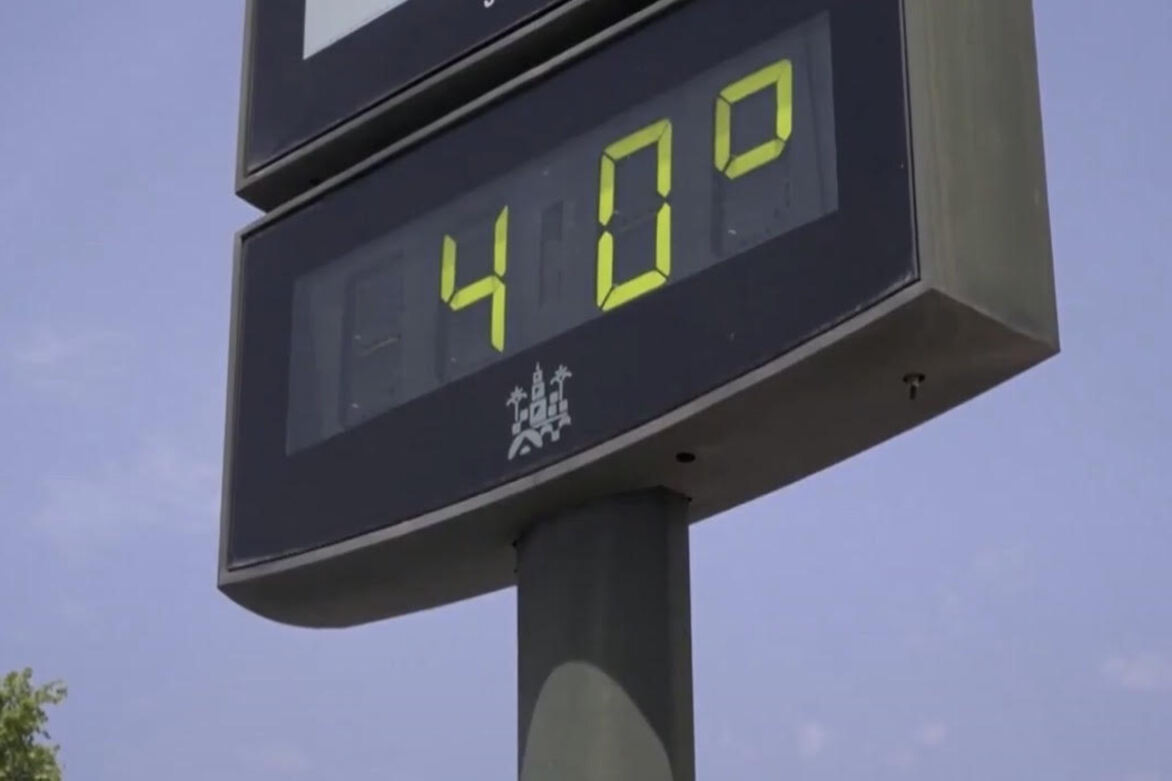
BERLIN/MILAN/COPENHAGEN/WELLINGTON: A strong heatwave hit Europe on Saturday, bringing very high temperatures from Scandinavia to the Alps. The heat, linked to dozens of deaths, is moving east, with some places recording temperatures above 40 degrees Celsius (104 degrees Fahrenheit).
Denmark recorded its highest temperature ever, after countries like the United Kingdom, France, Switzerland, and Germany had already seen record heat in June. The heatwave is now moving toward Poland.
Scientists said this extreme heat would have been almost impossible without human-caused climate change. They added that the unusually warm nights this week are now 100 times more likely than they were just 20 years ago.
Germans prepared for very hot weather as a heatwave that had already caused many deaths in Western Europe was expected to move east. Temperatures have broken records, rising above 40 degrees C (104 degrees F).
A day earlier, Germany recorded a new temperature of 41.3 degrees C near Saarbrucken, close to the French border, although this figure is still provisional.
Weather officials issued extreme heat warnings across most of Germany on Saturday and asked people to conserve water.
In France, dozens of people, both young and old, have died during the heatwave. Temperatures above 40 degrees C have disrupted trains and electricity production, led to alcohol bans, closed schools, and delayed outdoor events.
Meteorologist Karsten Brandt said the heatwave would peak over the weekend, with temperatures well above 40 degrees C in some parts of Germany.
German Train Passengers Asked to Cancel Tickets
Fearing damage to infrastructure like roads and railway tracks, some public service providers reduced operations. Germany's national rail company, Deutsche Bahn, allowed passengers to cancel long-distance tickets without charge until early next week.
The company said its systems are under pressure from the sun, as well as from thunderstorms and wildfires that affect signals, tracks, and overhead wires.
Another rail company, National Express, said it would temporarily stop trains on the Rhine-Ruhr-Express line in North Rhine-Westphalia as a precaution.
Andre Berghegger, head of the German Association of Towns and Municipalities, urged people to use water carefully. He said authorities should only enforce restrictions if voluntary efforts fail.
The extreme heat is expected to ease over the weekend, with heavy thunderstorms likely on June 28.
Across Europe, the heat has forced cultural sites to close, harmed farming, and put pressure on hospitals.
According to the Reuters Climate Monitor, temperatures have been up to 18 degrees C above normal due to a weather pattern called an Omega block, which traps hot air over regions for extended periods.
Demand for fans has increased sharply, and Asian air-conditioner companies are seeing higher sales in Europe. Many homes in Northern Europe are built to keep heat in, not out.
The World Meteorological Organization said the heatwave will start moving toward Central Europe and the Balkans by the end of the month.
Scientists said this heatwave would have been almost impossible without human-caused climate change, which has made current night-time temperatures 100 times more likely than 20 years ago.
New Zealand's Capital Goes ‘Powerless'
Meanwhile, nearly 11,500 miles (18,500 kilometers) away in New Zealand, thousands of people lost power on June 27 after a storm system caused flooding and landslides a day earlier.
More than 3,000 power outages were reported, affecting central areas including the capital, Wellington.
The National Weather Service said the bad weather was starting to clear after a very wet and windy day.
Emergency officials warned about debris on roads, flooding, and the risk of more landslides in Wellington.
The storm also caused 200 flight cancellations to and from Wellington. Nearby Lower Hutt reported flooded roads and two landslides.