
Feature: Spanish battle scorching heat as summer grips country
Xinhua
03 Jul 2026
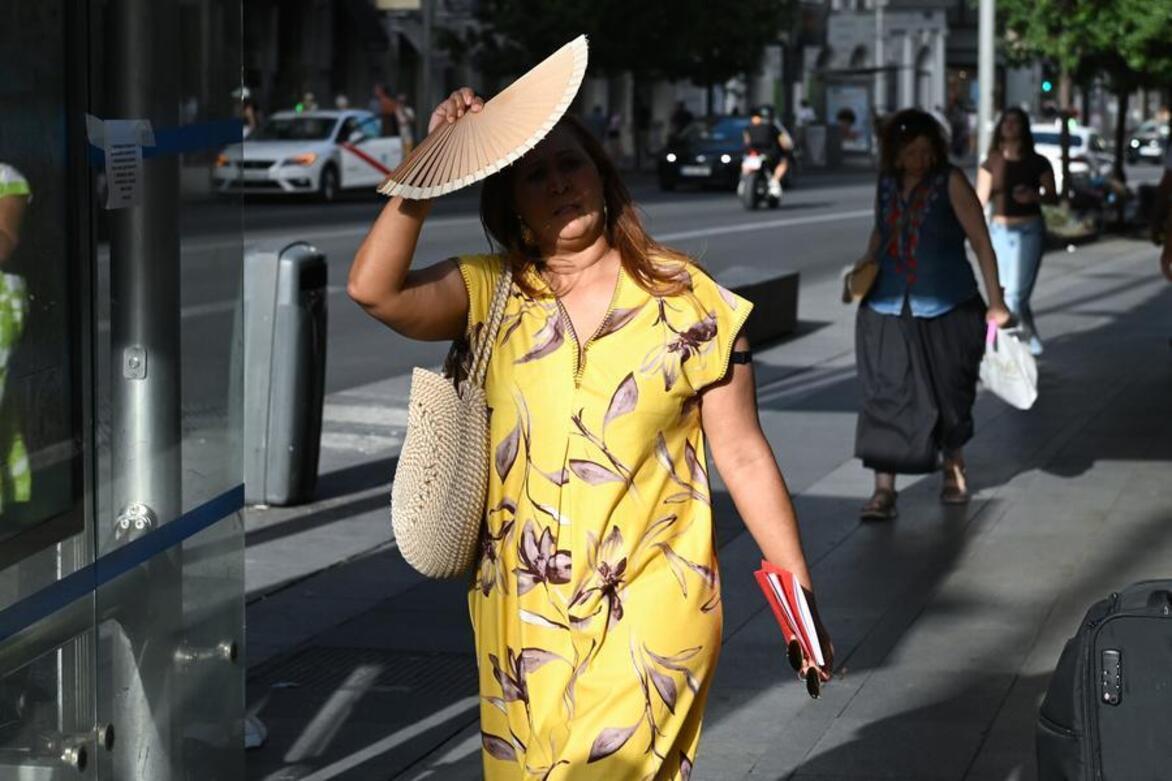
Across Spain, residents and tourists alike are adapting to the intense summer heat by seeking shade, refilling water bottles at public fountains and taking refuge in climate shelters after the country recorded its second-warmest June since 1961, according to Spain's State Meteorological Agency.
BARCELONA, Spain, July 3 (Xinhua) -- As temperatures climbed toward 40 degrees Celsius, Oscar Sunie found himself answering the same question over and over again from thirsty passers-by in Barcelona's Plaza de Catalunya.
"Cold water is what people ask for the most," the street vendor told Xinhua on Thursday. Folding fans, caps and visors have also become some of his best-selling items as temperatures continue to soar.
Across Spain, residents and tourists alike are adapting to the intense summer heat by seeking shade, refilling water bottles at public fountains and taking refuge in climate shelters after the country recorded its second-warmest June since 1961, according to Spain's State Meteorological Agency (Aemet).
June was exceptional across Spain, with more than 300 provisional temperature records broken and thermometers topping 40 degrees Celsius in dozens of municipalities. At the peak of the heat, 35.7 million people, or around 73 percent of the population, lived in areas under some level of health alert issued by the Ministry of Health.
Despite the sweltering weather, tourists continue to flock to Spain. "We came precisely for this, to enjoy the European summer," said Ana Rivera, a visitor from Colombia traveling with her children. "The temperatures are much higher than we're used to, but we're very happy with this weather." To keep her family safe, she relies on a simple routine: "Hydration, sunscreen and, whenever possible, caps for the children."
June ended with an average temperature of 23.2 degrees Celsius in mainland Spain, 3.2 degrees above normal and second only to last year's record, according to Aemet. The country has also experienced 42 days of unusually high temperatures for this time of year, interrupted only by a brief cool spell in early June.
For Maria Moran, a student visiting Barcelona from Madrid, the Mediterranean humidity makes the heat even harder to bear. "The heat wave is really noticeable because the humidity makes it feel much stronger, although there's also a pleasant sea breeze," she said. Her strategy is simple: "We refill our water bottles at every fountain we find, and we've planned our route to end at the beach. Otherwise, the walk back would be unbearable."
Barcelona has expanded its response by opening more than 500 climate shelters during the summer, including libraries, civic centers, parks and municipal swimming pools. Indoor facilities are recommended to maintain temperatures of around 26 degrees Celsius during hot periods, offering residents and visitors places to cool down.
Many locals have also adapted their daily routines. "We always carry folding fans because the heat really affects you, even if you're used to it," Ariana Ilutio told Xinhua. "We also wear light-colored clothes because darker colors absorb more heat."
Prolonged periods of extreme heat significantly increase health risks for the elderly, babies, people with chronic illnesses and low-income households, according to Barcelona City Council. Spain recorded 1,028 heat-related deaths in June, making it the deadliest June since at least 2015, according to the Ministry of Health's Daily Mortality Monitoring System.
For 83-year-old retiree Jose Robles, coping with the heat has become part of everyday life. Before leaving home, he opens both the balcony and front door to let air circulate. Outside, years of experience guide every step.
"I always know which sidewalks to take," he said. "You have to walk on the side with more shade."
Scientists say the extreme temperatures reflect a longer-term warming trend. Spain's average annual temperature has risen by about 1.8 degrees Celsius since the 1960s, while heat waves have lengthened by roughly three days per decade, according to Aemet, which attributes the trend primarily to human-induced climate change.
There is little relief in sight. Aemet and the European Centre for Medium-Range Weather Forecasts expect another spell of intense heat beginning on Saturday, with a new heat wave likely to develop on Sunday. Temperatures could locally reach 44 degrees Celsius in parts of southern Spain, prompting authorities to urge people to stay hydrated, avoid prolonged exposure during the hottest hours and pay particular attention to vulnerable groups.