
Japan weighs first Iranian oil imports since 2019, sources say
Anabelle Colaco
05 Jul 2026
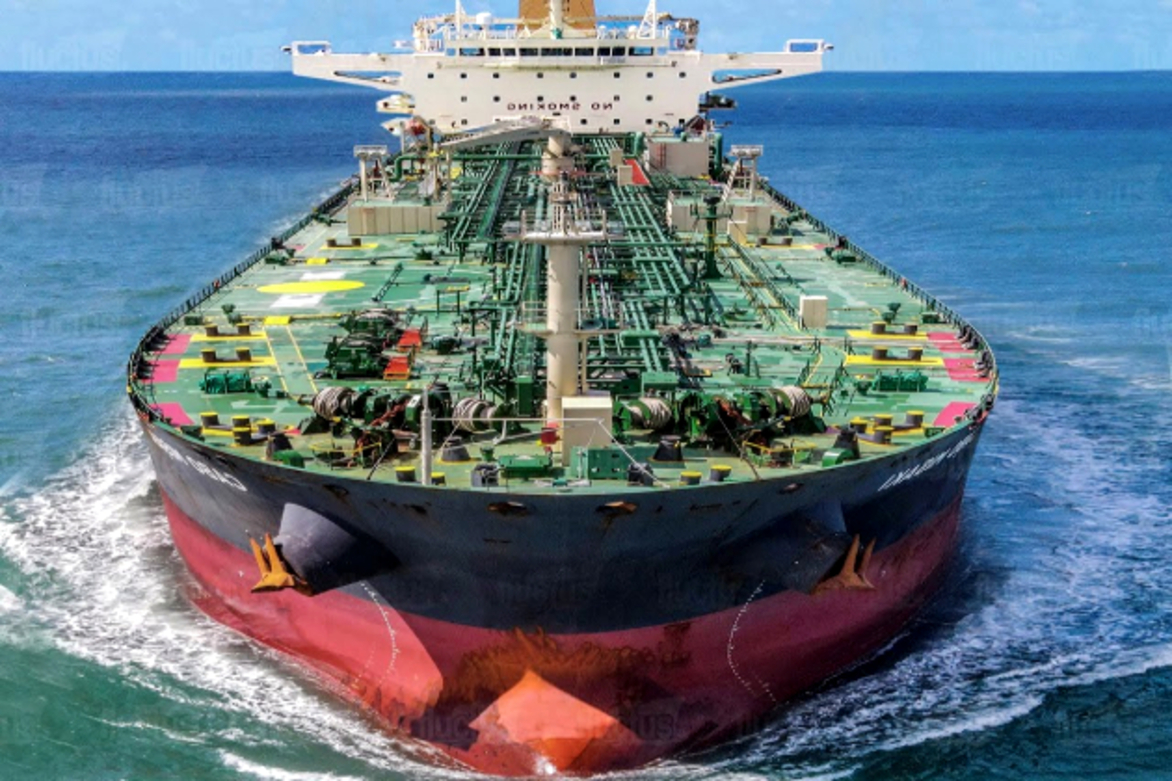
LONDON/DUBAI: Iran has opened discussions with Japanese companies about resuming crude oil exports under a temporary U.S. sanctions waiver, although potential buyers are seeking a longer exemption and assurances over shipping security before committing to purchases, according to three Iranian and Western sources.
The 60-day sanctions waiver, issued by the United States on June 22 as part of ongoing peace talks with Tehran, is due to expire on August 21.
According to two Iranian sources familiar with the discussions, three Japanese buyers are considering purchasing Iranian crude for the first time since 2019. A Western industry source also said Japanese and Iranian officials were holding preliminary talks on possible oil sales.
An official at Japan's Ministry of Economy, Trade and Industry, which oversees the country's fuel supply infrastructure, said he was unaware of the discussions. Japan's foreign ministry and the U.S. Treasury did not immediately respond to requests for comment.
Japan, South Korea, India and several European countries halted imports of Iranian oil after the United States tightened sanctions following President Donald Trump's withdrawal from the Iran nuclear agreement in 2018. China has remained Iran's main oil customer in recent years.
A senior Iranian official said any agreement with Japanese buyers would require Washington to extend the current sanctions waiver because of the time needed to ship crude between Iran and Japan. The official added that cargoes would be loaded at Iran's Kharg Island using Japanese-operated tankers.
A senior Iranian oil ministry official said the National Iranian Oil Company had contacted traditional customers, including Japan, and told them that if a final peace agreement is reached and sanctions are lifted, Iran wants them to resume purchases.
The safety of shipping through the Strait of Hormuz remains a major concern. A Japanese government official previously said any purchases would ultimately be a commercial decision for private companies, but noted that shipping risks and existing supply contracts could complicate any deal.
The route remains volatile after an attack on a container ship in the Strait of Hormuz last week by Iranian forces. Iran's Revolutionary Guards have also said vessels transiting the strait must first receive their approval, while the United Nations' shipping agency estimates about 80 floating mines remain in the central part of the waterway.
"Securing insurance would be the biggest challenge," a senior official at a major Japanese oil refiner said.
Trade sources and analysts said the temporary U.S. waiver is unlikely to trigger significant purchases by major Asian refiners, which already have ample supplies, leaving independent Chinese refiners as the most likely buyers during the waiver period.