
Higher food prices force Americans to rethink grocery budgets
Anabelle Colaco
28 Jul 2026
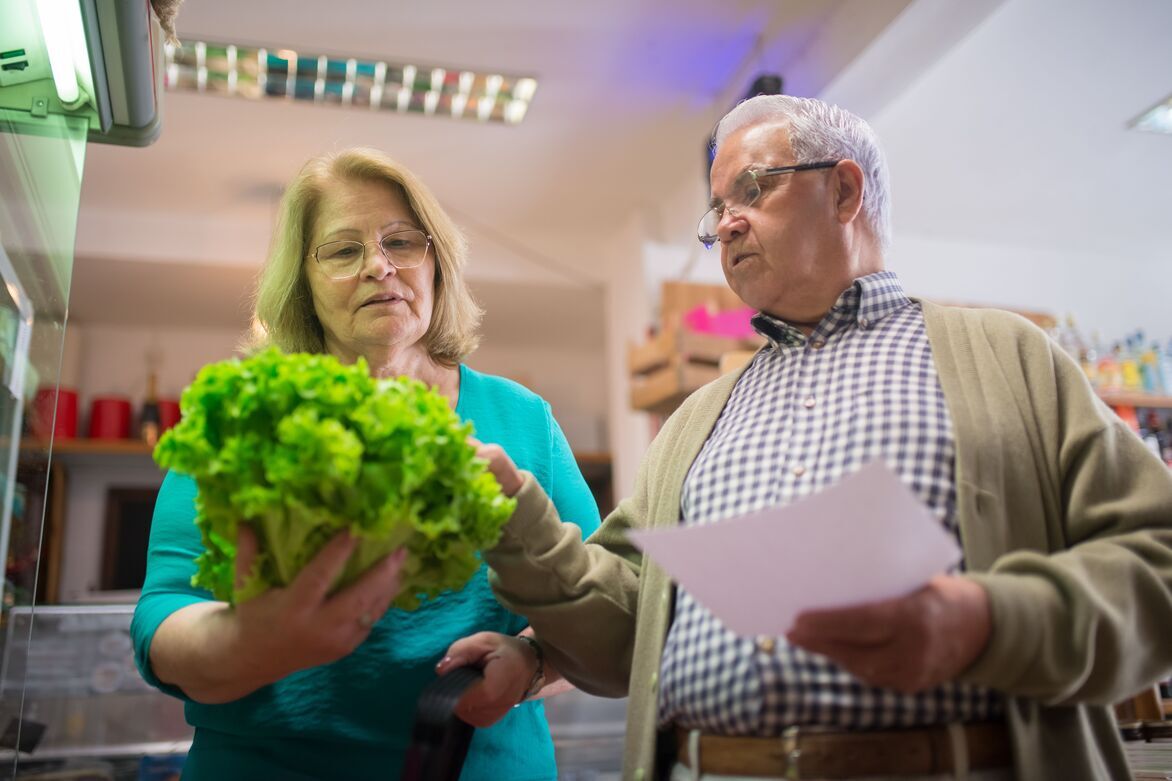
NEW YORK CITY, New York: Americans are changing the way they shop for groceries as they grapple with the biggest increase in food prices in nearly 50 years, forcing many households to hunt for discounts, switch brands and cut back on favorite foods.
Food purchased for home consumption has become 33 percent more expensive in U.S. cities since the beginning of 2019, according to government data. In the seven-and-a-half years before that, grocery prices rose just 6.4 percent.
Food inflation has also varied widely across the country. In June, grocery prices were 2 percent higher than a year earlier in St. Louis but 6 percent higher in San Francisco, according to the Consumer Price Index.
The sharp increase has been driven by multiple factors, including pandemic-related supply chain disruptions, higher labor and transportation costs, droughts, hurricanes, bird flu outbreaks, tariffs on imported products such as coffee, tomatoes and chocolate, and Russia's war in Ukraine, which disrupted oil and fertilizer supplies. A fresh conflict in the Middle East has accelerated food-price inflation again this year, keeping affordability at the forefront of concerns for many households.
While average weekly earnings for full-time workers have risen slightly faster than grocery prices since 2019, economists say many consumers continue to feel squeezed as housing, electricity and other household costs have also climbed.
Market researchers say many shoppers now set fixed weekly grocery budgets and increasingly switch stores or brands when prices exceed what they are willing to spend.
"People have a well-honed sense of those prices, just as much as gas and maybe more so," said Jared Bernstein, a senior policy fellow at the Stanford Institute for Economic Policy and former chair of the Council of Economic Advisers under former President Joe Biden. "You need groceries to live."
Consumers are responding by changing long-established shopping habits.
Apral Jack, who lives near Boston, now plans her weekly meals around supermarket promotions and digital coupons instead of buying whatever she wants. If prices at one store are too high, she shops elsewhere. "Typically, I'll try to pick the meals based on that. So like chicken fajitas: there was a three-day sale on chicken. I'll sauté chicken with vegetables and rice," Jack said.
In Texas, Ada Torres has stopped buying ground beef after prices climbed sharply. Government data shows the average price of ground beef reached US$6.82 per pound in June, up 79 percent from the beginning of 2019. Her family now relies more heavily on chicken and deli meats.
"Prices are sky-high. One hundred dollars' worth of groceries these days is nothing. Maybe you can bring home seven family-size items, if you manage to find a good deal," Torres said.
Market researchers say such adjustments are becoming increasingly common.
"It's almost like a strategy, a household strategy, where financial pressure just hasn't disappeared, so consumers are really developing their own playbook on how to navigate it," said Sally Lyons Wyatt, global executive vice president at market research company Circana.
In San Francisco, barber Jack Chang said feeding his family of five has become increasingly difficult as grocery bills and other living costs continue to rise. The family buys more generic products and relies in part on food assistance and food banks. "Without that, I don't know what I would do," Chang said.
The burden has been particularly heavy for lower-income families. According to the U.S. Department of Agriculture, the lowest-earning fifth of U.S. households spent 33 percent of their pretax income on food in 2024, compared with an average of 12.9 percent across all households. Economists say many families are likely to remain focused on stretching every grocery dollar as long as prices remain elevated.