
Urban renewal supports Beijing's endeavor to become global consumption hub
Xinhua
29 Jul 2026
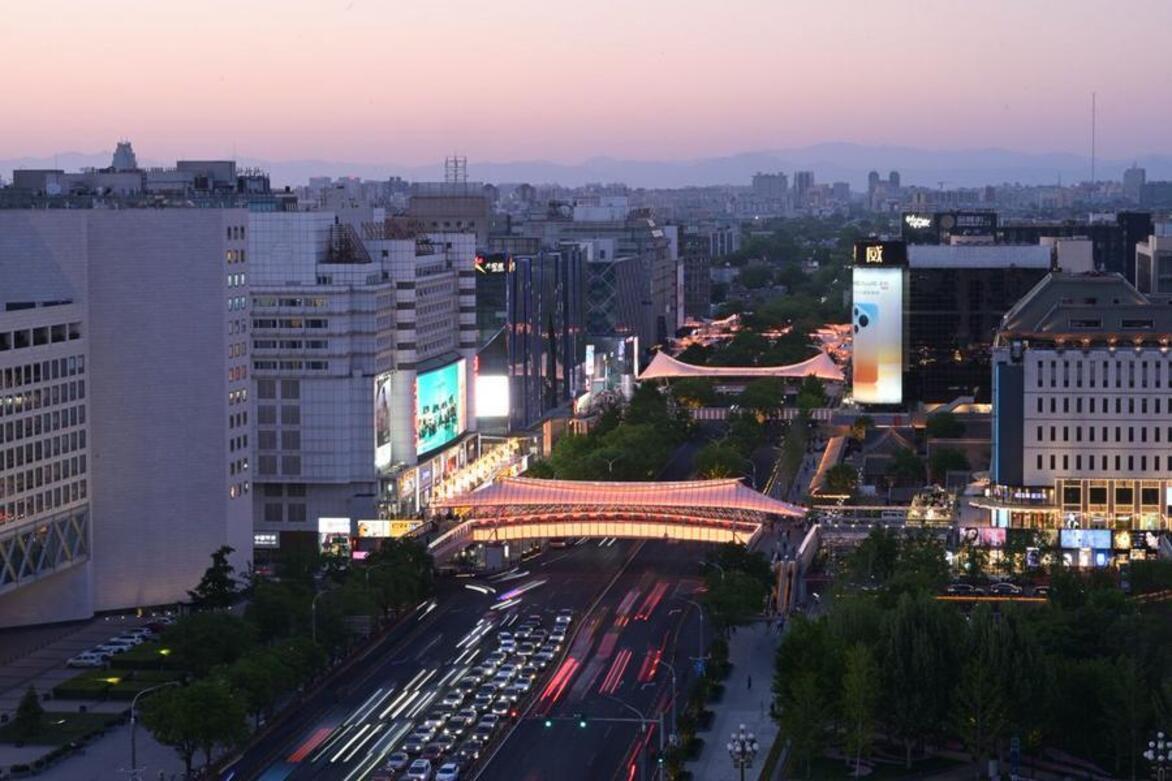
BEIJING, July 29 (Xinhua) -- About three kilometers west of the majestic Forbidden City (Palace Museum) in the Chinese capital Beijing lies Xidan, a bustling hub where shopping malls cluster and people from different parts of the world enjoy shopping, food and drinks at ease.
On a hot summer day in July, a young couple named Nina and Rafael from Switzerland took their time shopping in the cool air-conditioned Joy City, a popular shopping mall in Xidan. With their hands almost full of shopping bags containing purchased goods, the couple showed no signs of finishing their shopping any time soon.
Inside a Muji store, Rafael was checking on the design and functioning of an electric toothbrush. "We are literally interested in all the products sold here," said Nina. The couple told Xinhua they were simply amazed at the rich variety of goods available in the Chinese market.
Inside the mall, a departure tax refund service desk was providing information on refund policies. According to the desk attendant, a select group of merchants, including fashion brands such as Uniqlo and Zara, offer departure tax refunds. Eligible customers can get an approximately 9-percent refund by applying for it at their departure airports via their receipts.
In line with the capital city's broader efforts to become an international center for consumption, Xidan, striving to become an international consumption experience zone, has recently implemented a spatial upgrading project with a view to promoting consumption.
As a key part of this project, a total of seven sky-bridges have been newly built or renovated. Corridors were also constructed to enable residents and visitors to enjoy a more comfortable shopping experience.
According to Beijing Jicheng Shanshui Investment Management Corporation, the company that undertook the project, additional green areas and outdoor seating spaces were also created during the upgrade, with the installation of over 31,700 pots of assorted flowers and more than 3,000 square meters of lawn.
These efforts have, in effect, formed a renewed elevated walkway system measuring about 900 meters in total length -- giving a boost to the area's commerce, easing foot traffic, and offering a garden-like ambience for visitors.
According to Xu Jian, deputy general manager of the company, a smart interactive lighting system was also part of the upgrade project. This system can adjust its colors and rhythms to match different festivals, giving the bridges and the surrounding commercial streets a modern feel, while boosting the area's nighttime economy.
The meticulous nature of this upgrade work is further underlined by several under-bridge spaces that are being utilized to host a flower shop, a cafe, and a collaborative police-enterprise joint dispatch center that can monitor the area's real-time situations on the ground and assign work tasks efficiently, the company noted.
These new changes in Xidan epitomize the country's efforts in promoting urban renewals and encouraging consumption.
An urban renewal plan for the 15th Five-Year Plan period (2026-2030), released in May by the State Council, has outlined concrete targets, including upgrading and transforming old streets and renovating green space in urban parks. Another plan aimed at boosting consumption for the same period, made public earlier this month, has underscored continued support for relevant cities in improving services to facilitate consumption by shoppers from around the world.
This month also marks five full years after five Chinese cities, including Beijing, were approved by the State Council to take the lead in growing into hubs suitable for international consumption. Years of sustained efforts have yielded results, with Beijing serving as a good example of such progress.
China's capital city has continued to optimize its international consumption environment in recent years, having recorded 5.48 million inbound tourists in 2025, with tourism expenditure reaching 50.56 billion yuan (about 7.44 billion U.S. dollars), both rising by roughly 40 percent year on year.
The number of departure tax refund stores in the city has surpassed 1,500, while the sales value of tax-refundable goods exceeded 1.5 billion yuan in Beijing last year, up nearly 70 percent, according to local government data.
According to the Beijing Municipality's 15th five-year plan, the city will make further efforts to build itself into an international consumption hub during the 2026-2030 period by accelerating the upgrading of key business areas, integrating fashion and technology into traditional commercial zones, and creating open urban blocks that blend business, art and lifestyle.