
Attacks resume in the Middle East, as US, Saudis hit Iraq
Mohan Sinha
31 Jul 2026
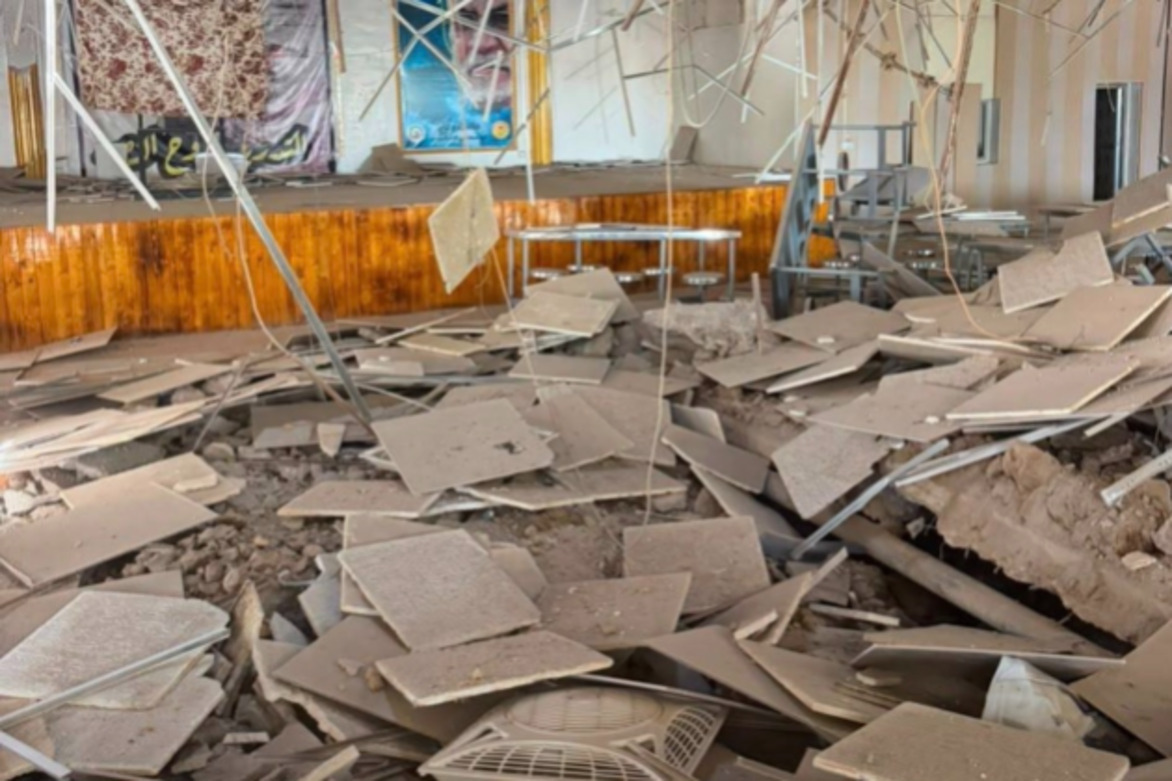
DUBAI/CAIRO: The United States carried out fresh airstrikes in the Middle East on July 29, its first since pausing a bombing campaign last week. The strikes were launched together with Saudi Arabia and targeted Iran-backed armed groups in Iraq.
At the same time, Iran rejected a plan by Oman to jointly manage the Strait of Hormuz.
A senior Iranian official said on July 29 that a 50-50 joint control arrangement with Oman would not benefit Iran, even though Iran viewed Oman as an important neighbor.
Iran said it had fired at ships in the strait and at U.S. military bases in Jordan. Oil prices rose again as the renewed fighting and failed diplomatic efforts showed there was no quick end to the conflict that began after U.S. and Israeli attacks on Iran in February.
The United States and Saudi Arabia said their joint strikes were in response to drone attacks on Saudi oil facilities, which they blamed on Iran-backed groups.
Iraq's Popular Mobilization Forces, a network of Iran-backed paramilitary groups that are part of the country's official security system, said the strikes killed at least 20 of its members and injured 32 others. The group reported that several of its bases across Iraq were hit.
This was the first major U.S. military action in the region since last July 24, when President Donald Trump halted a 13-day bombing campaign after military commanders advised that it had achieved its purpose.
The joint operation could expand the conflict, as it brings Saudi Arabia, a Sunni-majority country, directly into fighting against Iran-linked groups, which are mostly Shi'ite. It also marked the first time during the war that Saudi Arabia publicly confirmed taking part in joint strikes with the United States.
Iraq's government, which maintains ties with both Iran and the United States, held an emergency meeting. Washington has repeatedly urged Baghdad to take action against Iran-backed militias, but such efforts have previously caused internal tensions in Iraq.
Saudi Arabia is also facing threats from another front. The Iran-aligned Houthi movement in Yemen recently announced a blockade of Saudi oil exports in the Red Sea and carried out attacks on ships and energy facilities.
Earlier, before the strikes in Iraq, the U.S. military said its air defense systems had stopped a surprise Iranian attack on American troops in the region.
Jordan's military said its air defenses intercepted and destroyed five Iranian missiles. The country has become a key target, with three of the four U.S. service members killed this month having died there.
Iran's Revolutionary Guards said they had launched several ballistic missiles at U.S. bases in Jordan. They also reported targeting three oil tankers in the Strait of Hormuz, saying the vessels had been using an unauthorized route.
Fighting resumed earlier this month after a June agreement between the United States and Iran, which aimed to create a framework to end the war, broke down. The dispute centered on the Strait of Hormuz, the world's most important route for energy shipments. Iran maintains that it controls the strait and intends to charge fees for its use.