
Energy firms reap windfall as conflict fuels oil price surge
Anabelle Colaco
03 Aug 2026
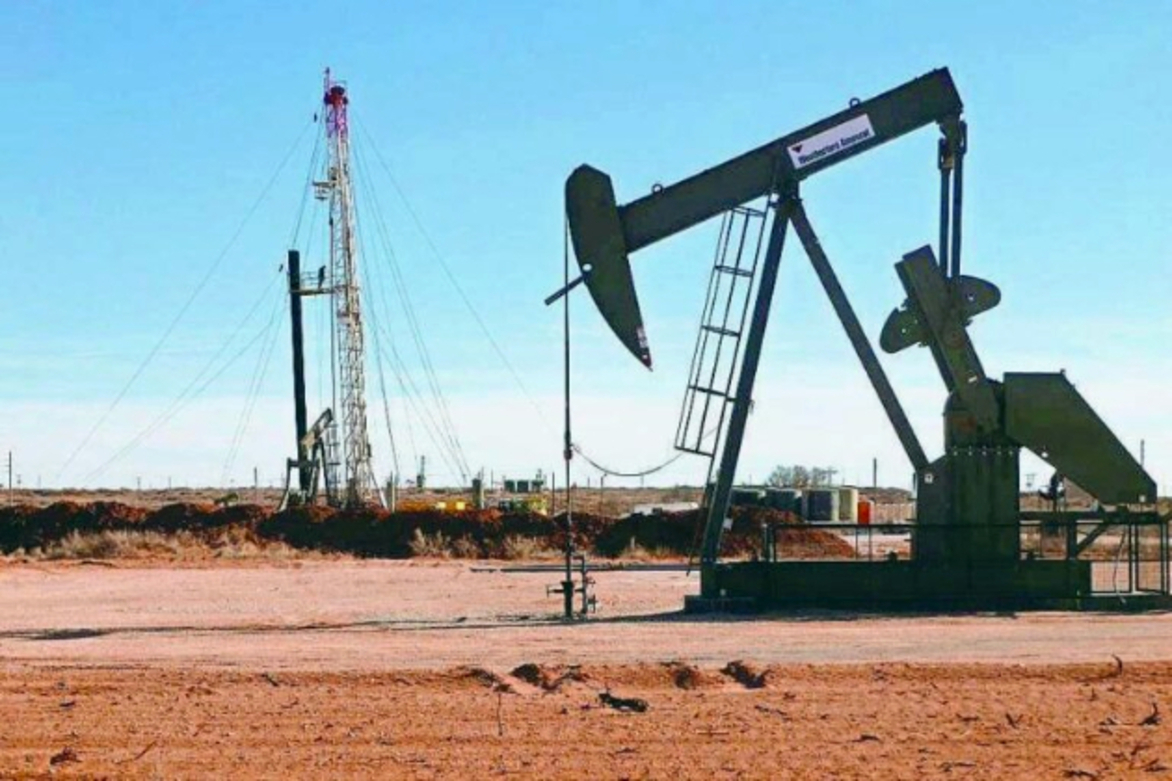
NEW YORK CITY, NEW YORK: Major U.S. oil companies reported soaring second-quarter profits as months of conflict involving Iran disrupted global energy supplies, pushed crude prices above $100 a barrel for much of the quarter and drove up fuel costs for consumers worldwide.
The fighting, now in its sixth month, has severely reduced shipping through the Strait of Hormuz, a key route that previously carried about one-fifth of the world's oil and natural gas. Brent crude climbed from about $70 to above $100 a barrel through much of April, May and June, at one point reaching $126.
The surge in energy prices has boosted profits for producers while raising gasoline, diesel and jet fuel costs for consumers. Fuel shortages also triggered rationing in parts of Australia and government office closures in Nepal and Sri Lanka.
Exxon Mobil reported second-quarter profit of $14.53 billion, double a year earlier, on revenue of $116.02 billion, up 42%. Chevron nearly quadrupled its profit to $12.07 billion as revenue climbed 56% to $70.06 billion. Europe's six largest oil companies collectively posted first-quarter profits of $22 billion, more than 40% higher than a year earlier.
"There are constituencies around the world who are having a very good crisis, and the oil producers are one of them," said Patrick Galey, fossil fuels lead at Global Witness, a nonprofit organization that investigates environmental issues. "When you compare that to the hundreds of millions of people who are struggling with rolling blackouts, with electricity curbs, rationing, waiting in line for food queues, or the disruption to fertilizers and the potential impact that that has on food prices, we don't think that it's a justifiable price for the rest of the world to be paying."
The earnings have renewed calls in Washington for a windfall profits tax. Democratic lawmakers introduced legislation that would tax large oil producers on profits earned from 2026 onward and redistribute the proceeds to consumers.
"It's fair to put a windfall profits tax on inordinate windfall profits rather than cut off children's food programs," Senator Sheldon Whitehouse said.
The proposal would apply to companies producing or importing at least 300,000 barrels of oil per day in 2025. Average U.S. gasoline prices reached $4.11 a gallon on Friday, roughly $1 higher than a year ago.
Exxon CEO Darren Woods defended the industry, warning that similar taxes in Europe had discouraged investment.
"Penalizing the businesses who stood by those countries and provided that product going forward is very short-sighted," Woods said. "We canceled investments that we had planned for Europe based on the last time they passed a windfall profits tax."
Analysts said integrated companies such as Exxon and Chevron have benefited not only from higher crude prices but also from exceptionally strong refining margins.
"The return on refining, on a percentage basis, has skyrocketed," said Tom Seng, assistant professor of energy finance at Texas Christian University. "Oil right now is priced what it is priced because of the Iran war. But in the meantime, the refineries are making money hand over fist."
Timothy Fitzgerald, a business economics professor at the University of Tennessee, said consumers ultimately bear the cost of higher energy prices.
"Ultimately, users of the energy services pay," Fitzgerald said. "Consumers, people like you and me buying retail motor gasoline or diesel fuel or airplane tickets. But it also means that almost everything else we buy has an embedded energy content to it ... and this is where you start to worry about it driving increases in costs."