
Ireland fuel protests lead to complaints on both sides
Mohan Sinha
04 Aug 2026
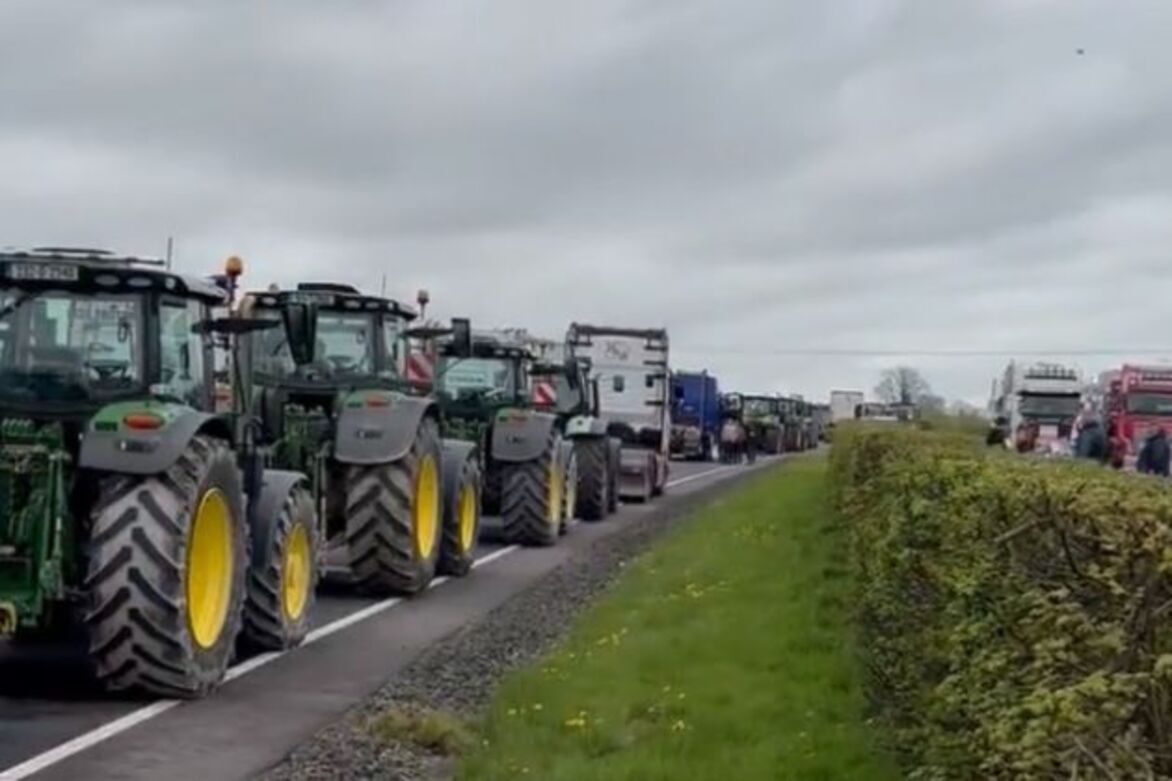
DUBLIN, Ireland: The fuel protests in April, which brought much of Ireland to a halt, led to a surge of messages being sent to Taoiseach Micheál Martin. Many of these messages criticized both the protesters and the Government.
According to correspondence released to BreakingNews.ie in response to a Freedom of Information request, public opinion was sharply divided. Some people accused the Government of acting in an authoritarian way, while others strongly condemned the protesters for causing major disruption.
The protests took place from April 7 to April 14 and were driven by rising fuel costs and the wider cost-of-living crisis. Farmers and haulers were the main organizers. Their actions caused widespread disruption across Ireland, with many people unable to travel to work or attend medical appointments.
The political fallout was significant. Sinn Féin put forward a motion of no confidence in the Government over its handling of the crisis. In response, the Coalition tabled its own motion of confidence, which it won by 92 votes to 78.
The events reflected growing public frustration with the Government and the pressure many people were feeling due to the rising cost of living.
One of the most controversial moments came when Justice Minister Jim O'Callaghan suggested that the Defense Forces could be used to break up the protests. This proposal triggered strong reactions and was widely discussed in messages sent to the Taoiseach.
One message strongly criticized both the Government's actions and its attitude during the crisis. The sender wrote: "Firstly, the remarks by Jim O'Callaghan about mobilizing the Defense Forces were deeply inappropriate and intimidating, a move straight out of Trump's playbook."
The same message also raised concerns about how Government leaders behaved during the confidence vote, claiming their conduct showed a lack of understanding of the difficulties faced by ordinary people. It further questioned media independence and referred to complaints made by Media Minister Patrick O'Donovan about RTÉ's coverage of the protests.
Other messages took a different view, focusing instead on criticism of the protesters. Some people argued that media coverage, particularly by RTÉ, appeared to favor those involved in the blockades. They also called for stronger action against individuals who disrupted roads and key infrastructure.
The blockades at the Whitegate Oil Refinery in Cork were repeatedly mentioned in several emails, highlighting concern about the protests' impact on essential services.