
A few minutes of power amid blackouts reshape daily life in Havana
Mohan Sinha
09 Aug 2026
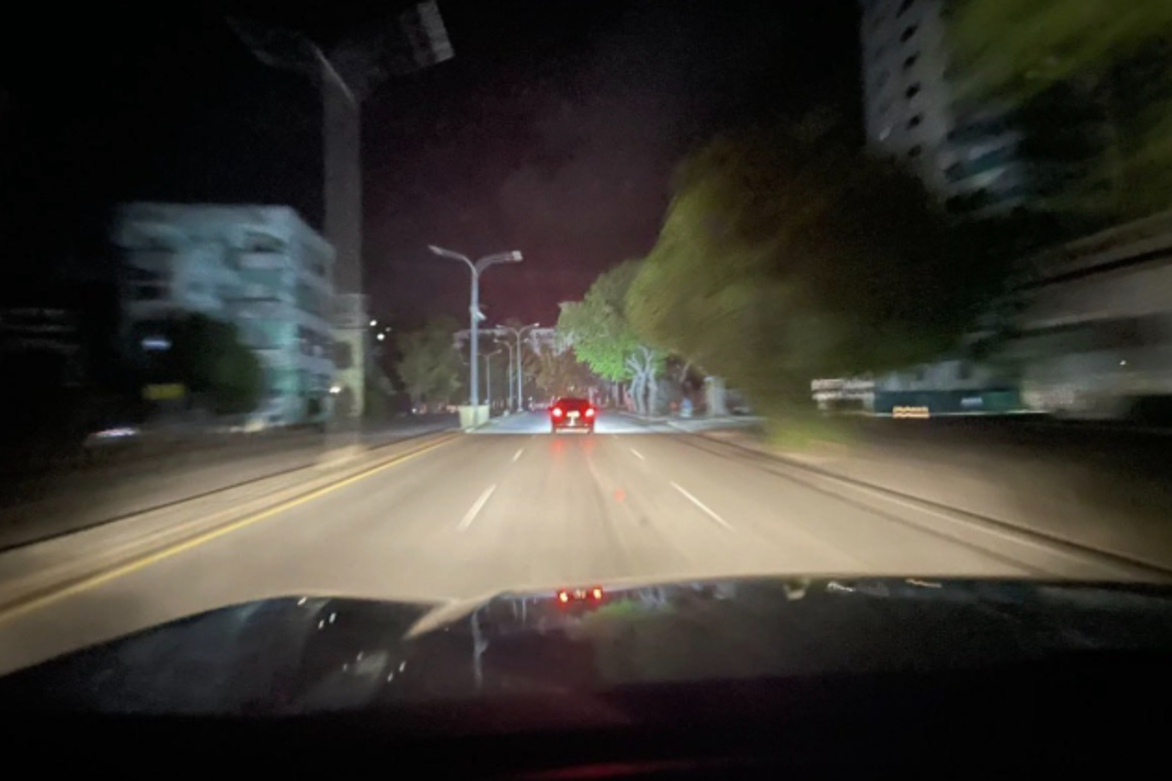
HAVANA, Cuba: Electricity for 20 minutes has become an extraordinary and unpredictable event in Havana, given that Cuba has been grappling with extended blackouts lasting hours or even days, forcing people to reorganize their routines around its erratic availability.
These moments often arrive at unusual hours, sometimes in the middle of the night, reshaping how residents manage even the most basic daily tasks.
One such instance unfolded when 72-year-old Leidis Rodríguez hurried to prepare food as soon as electricity was restored after a prolonged blackout. The sudden return of power triggered immediate action in her household, as she called out, "The power has come back on, everyone go!"
The outages have been exacerbated by an oil blockade imposed earlier in the year, leaving many households dependent on brief and unpredictable bursts of power that can occur at any time.
For Rodríguez and her daughter, 41-year-old Yaimara Matos, these moments dictate the rhythm of life. Sleep is frequently interrupted as electricity often returns during the night. When it does, everything else is put on hold so essential chores can be completed.
Matos described the urgency that accompanies these windows of opportunity, explaining that tasks once spread across an entire day must now be compressed into a fraction of that time. Washing clothes, cooking, cleaning, and even cooling off from the heat must all be done at once before the power disappears again.
This experience reflects a broader reality across the island, where daily life has been upended by one of the most severe crises since the Cuban Revolution. Families are navigating overlapping challenges that affect nearly every aspect of living.
The impact has rippled through the country's infrastructure and economy. Public transportation has stalled, cultural activities have largely ceased, and tourism, long a cornerstone of Cuba's economy, has sharply declined. The withdrawal of tourism-related businesses has left tens of thousands of jobs unfilled, while flight cancellations have become frequent. Work schedules have also been shortened to adapt to unreliable power.
Necessities have become harder to maintain. Medical shortages have worsened, and food spoilage has become common as refrigerators fail during extended outages. Access to water is also inconsistent because pumping systems rely on electricity.
Rodríguez highlighted this interconnected strain, noting that water and electricity shortages often compound each other, making daily survival even more difficult.
While power outages have long been a part of life in Cuba, the situation has deteriorated significantly in recent years. Aging infrastructure, longstanding U.S. sanctions, and unsuccessful economic reforms have all contributed to the decline of the national energy system.
Conditions worsened further after new U.S. measures targeted Cuba's oil supply, threatening penalties on countries that provide the island with fuel. These actions, combined with tightened sanctions, were intended to pressure the Cuban government but have had widespread consequences for the population.
In the past, outages were typically scheduled, allowing families to plan for a few hours without electricity. That predictability has disappeared. Blackouts now occur without warning and can last anywhere from half a day to more than 30 hours. At times, the entire national grid has collapsed, with multiple such incidents recorded this year alone.
As a result, everyday life in Cuba has become a constant exercise in adaptation, with households forced to seize fleeting moments of electricity whenever they arise.