
Typhoon Dolphin batters Okinawa region in Japan, China awaits landfall
Mohan Sinha
09 Aug 2026
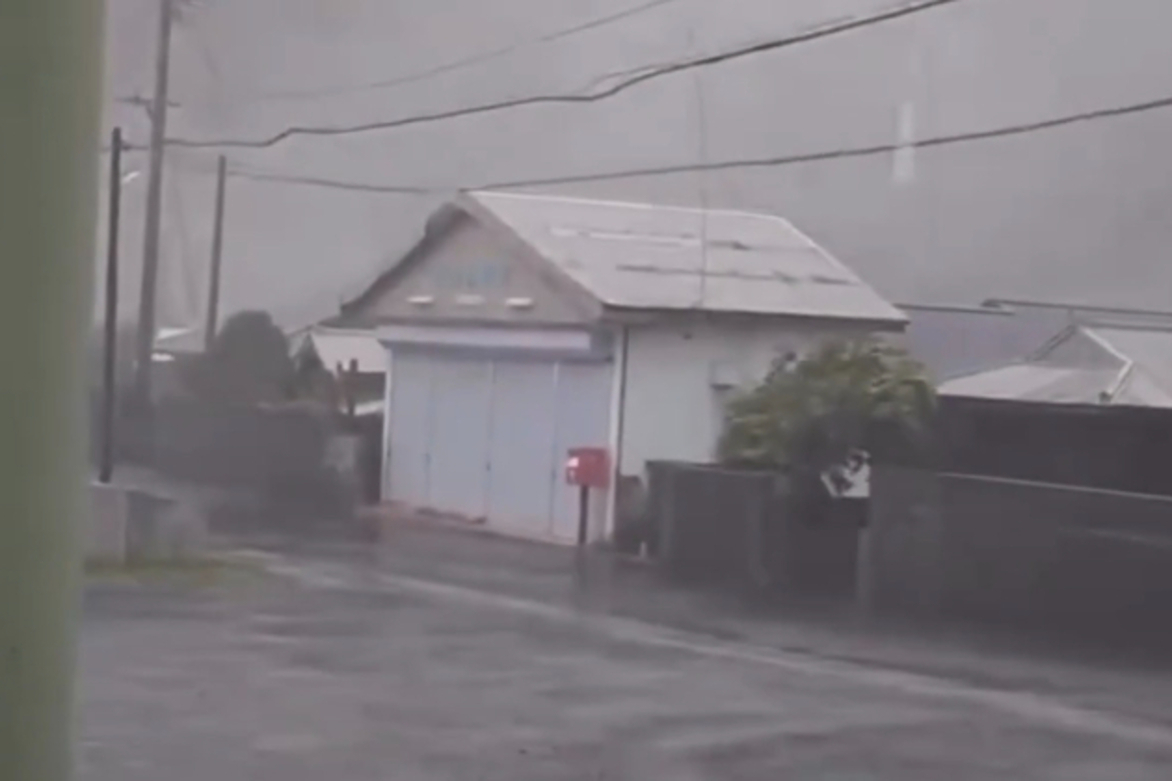
TOKYO/BEIJING: Typhoon Dolphin hit Japan's southern Okinawa region on August 8, leaving several people injured and widespread power cuts that saw more than 50,000 buildings without electricity. At the same time, China began shutting ports and stopping ferry services as it prepared for the storm to reach its east coast.
Officials said six people were injured. Most of them were elderly, and powerful winds knocked three of them over. All injuries were described as not serious. Another person was hurt in Kagoshima prefecture.
Power outages were reported across the region. Around 39,000 buildings in Kagoshima were without electricity, while just over 12,000 homes and businesses in Okinawa were also affected. Major airlines canceled flights to and from Okinawa due to the dangerous weather.
The storm was very strong, with sustained winds of about 162 kilometers per hour and gusts up to 216 kilometers per hour. Okinawa and the nearby Amami Islands were expected to face the worst impact in Japan.
As the typhoon moved closer to China, authorities there raised warnings. The storm was classified as an orange-level typhoon, the second-highest alert level. Officials also raised the emergency response level due to fears of flooding and landslides.
Forecasters said the storm was likely to hit land between Zhoushan in Zhejiang province and Fuding in Fujian province between late on August 9 and early August 10. Winds near the center of the storm could reach between 38 and 45 meters per second.
Heavy rain and strong winds were expected to affect eastern China for several days, including major cities like Shanghai. Some areas in eastern Zhejiang could receive more than 600 millimeters of rain, raising concerns about severe flooding.
Zhejiang province issued its highest coastal alert and stopped port operations. Authorities in several parts of eastern and southern China also halted ferry services, paused construction work, and ordered fishing boats to return to shore.
Ningbo Lishe International Airport announced it would suspend all flights on August 9. Shanghai's Yangshan port had already been cleared of ships. Some train services in the Yangtze River Delta were also set to be suspended.
In Beijing, officials said they were closely monitoring the storm's path and preparing flood-control and evacuation plans if needed.
Taiwan was also affected, with 78 flights canceled, most of them international. Heavy rain was expected in northern areas, although no evacuations had been ordered as of Saturday.
China also instructed ships passing through the Taiwan Strait to follow its traffic control rules during the storm. Taiwan strongly criticized this move, calling it "ridiculous" and saying China has no authority over international waters.
China considers Taiwan part of its territory and claims control over the strait, but Taiwan and the United States reject this claim.