
Tehran says Strait of Hormuz won’t reopen until US meets demands
Mohan Sinha
11 Aug 2026
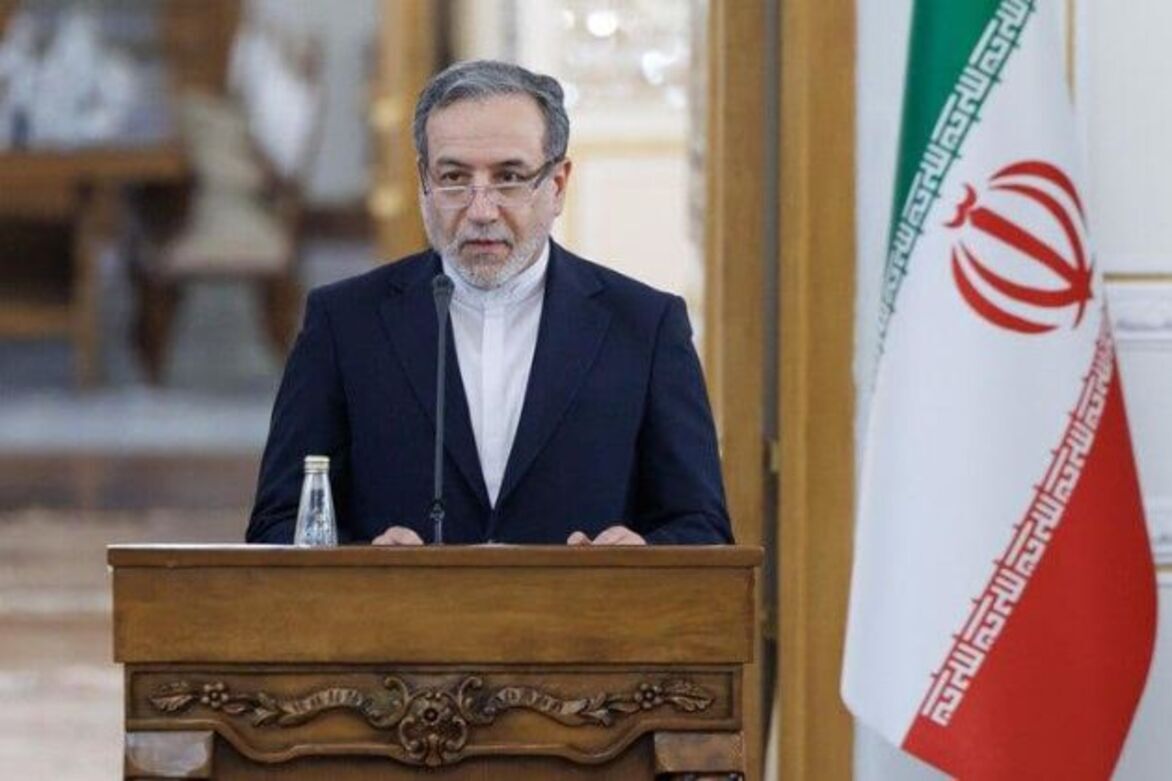
DUBAI/WASHINGTON/CAIRO: Iran has said it is close to finalizing an agreement with Oman to set new shipping routes through the Strait of Hormuz. However, it repeated that the United States must meet several conditions before the important waterway can fully reopen.
These conditions include paying compensation, lifting sanctions and ending military threats.
The Strait of Hormuz is a key global route for energy supplies. Before the recent conflict, about one-fifth of the world's oil and liquefied natural gas passed through it. The route has been largely blocked since U.S. and Israeli attacks on Iran on February 28, which led to higher oil prices and rising inflation.
An Iranian Foreign Ministry spokesman said talks with Oman were progressing positively. He explained that both sides had agreed on a map for shipping routes, although some technical issues still needed to be settled. The discussions also included plans for safe navigation, environmental protection, maritime services, and crime at sea. These services would normally involve payments.
Iran's foreign minister Abbas Araqchi said the agreement with Oman was almost complete, but made it clear that the strait would not reopen unless the U.S. accepted Iran's demands. Iran has also said it will not enter into direct talks with Washington while the U.S. continues to violate an earlier agreement reached in June. Communication between the two sides is currently happening through intermediaries.
U.S. President Donald Trump said in an interview that the United States was taking a cautious approach with Iran. He stated, "We are only semi-negotiating with them. We are just watching Iran with its huge inflation and the fact they have no money."
Iranian officials have listed several conditions for reopening the strait. These include compensation for damage caused by U.S. attacks, an end to threats, stopping actions against Iran and its regional allies, removing the U.S. naval blockade in the Gulf, lifting sanctions and releasing frozen Iranian funds.
Iran also announced a leadership change in its top security body, with a former Revolutionary Guards commander set to take a senior role. No explanation was given for the change, and it is unclear if it will affect policy.
Oil Rises to Around $84 per barrel
Oil prices rose slightly to about US$84 per barrel as hopes for a deal increased, although uncertainty remained because of Iran's demands. Earlier this year, prices surged to around $126 per barrel due to shipping disruptions.
Although the U.S. and Iran agreed to a ceasefire in June, tensions continued. The U.S. later reintroduced a blockade on Iranian shipping, which Iran said broke the agreement. American officials have indicated that any lifting of restrictions would depend on Iran meeting its commitments.
There are also concerns about how any agreement would work in practice, especially if Iran gains control over ship movements in the strait. At the same time, attacks linked to Iran's allies, including Houthi rebels in Yemen, have increased in nearby shipping routes.
Fighting in Yemen has intensified, with reports that several people, including both civilians and military personnel, were killed in a recent attack on the Red Sea port city of Mocha.