
Iran says trade partners will resist US sanctions
Mohan Sinha
26 Aug 2026
CAIRO/WASHINGTON, D.C.: Iran has said it will resist new U.S. sanctions aimed at putting more pressure on its economy, and expects major trading partners to continue doing business with it despite the latest U.S. measures.
Iran also said Washington appeared interested in restarting negotiations, almost six months into a conflict that the United States has so far failed to resolve.
U.S. Treasury Secretary Scott Bessent announced the new sanctions on August 24. However, the measures stopped short of the toughest possible economic restrictions.
Bessent warned that countries that continue to trade with Iran could eventually be excluded from the U.S.-dollar-based financial system. However, he did not say when such action might be taken or name the countries that could face penalties. He said governments would be given time to comply with the new U.S. directive.
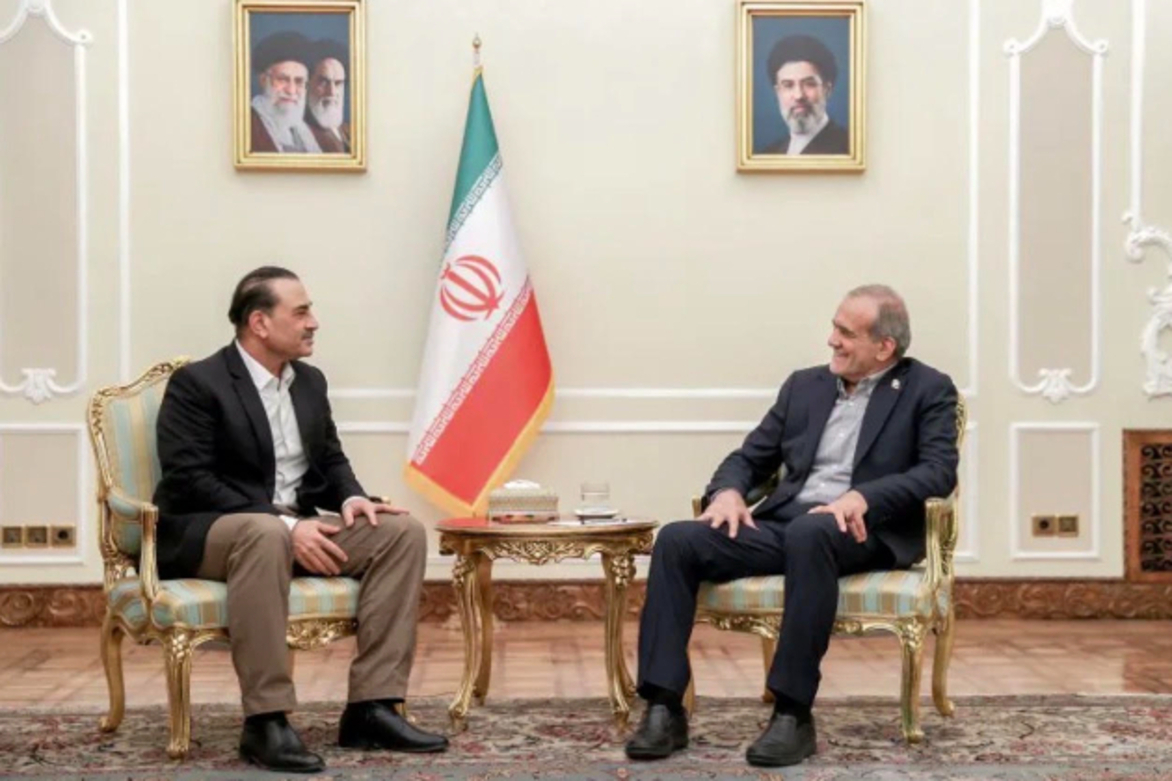
Abbas Golroo, who heads the foreign relations committee in Iran's parliament, said Pakistan's army chief, Asim Munir, had delivered a message from Washington to Iranian officials on August 24.
Golroo said the message appeared to be mainly aimed at restarting the political process, which had been suspended. He made the comments to Iran's ISNA news agency. The White House and U.S. State Department did not immediately comment.
A Pakistani government source said Iran had shown a general willingness to return to peace negotiations during meetings between Iranian and Pakistani officials on August 24. However, Iranian officials also raised concerns about the new sanctions.
The Pakistani official said Washington had indicated that it could cancel the new sanctions before or during another round of negotiations.
The U.S. Treasury Department announced sanctions against 60 individuals, companies and vessels. However, the list did not include any Chinese financial institutions suspected of helping Iran sell its oil.
China has been the largest buyer of Iranian oil for several years. Iranian oil shipments to China have fallen since the United States renewed its blockade of Iranian ports in mid-July.
U.S. President Donald Trump has said he expects to meet Chinese President Xi Jinping next month. At the same time, Washington is seeking to avoid restrictions on China's exports of critical minerals.
China defended its economic relationship with Iran, saying its cooperation with Tehran follows international law and should not be interfered with or disrupted.
Oil prices fell for a second straight day as traders appeared to see limited immediate effects from the new sanctions. However, concerns remained about Iran's ability to disrupt shipping in the region.
The United Kingdom Maritime Trade Operations agency said an unidentified projectile hit an oil tanker on August 25 and disabled it. The incident took place about nine nautical miles, or 17 kilometers, northeast of Ash Shishah in Oman, near the entrance to the Strait of Hormuz.
Meanwhile, The New York Times reported that a State Department document said U.S. diplomats evacuated during the war could begin returning to the Middle East as early as this week.
It was not immediately clear whether the return of the diplomats was connected to the latest efforts to restart negotiations.
Public support in the United States for the war has also fallen sharply. A Reuters/Ipsos poll that closed on Monday showed that public approval of the conflict had dropped to its lowest level since the early days of the war. The poll also showed Trump's popularity at a record low ahead of the congressional elections in November.
Oil shipments through the Strait of Hormuz remained far below pre-war levels. Provisional data from ship-tracking company Vortexa showed that about five million barrels of oil a day passed through the waterway on August 24.
Before the war, more than 20 million barrels a day moved through the Strait of Hormuz, accounting for roughly one in every five barrels of oil consumed worldwide.