
Iran seeks safe passage in Strait of Hormuz, holds talks with Oman
Mohan Sinha
29 Aug 2026
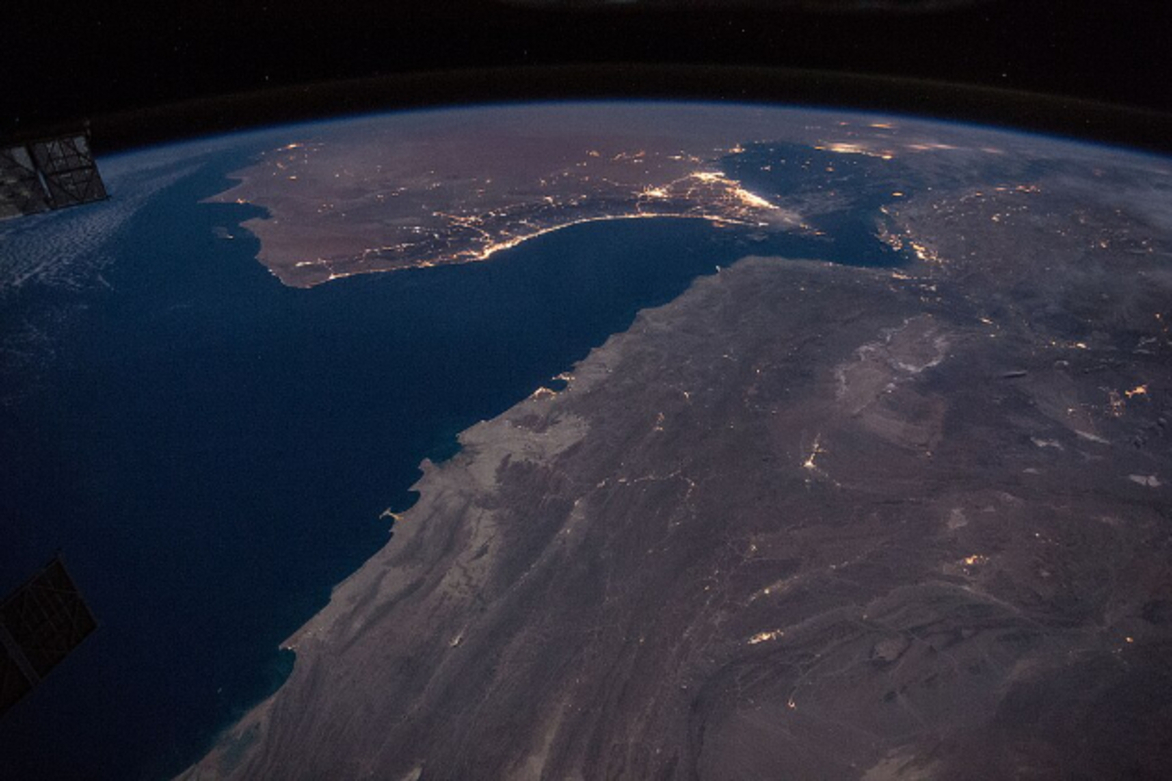
CAIRO/DUBAI: Iran has held fresh talks with neighboring Oman on how to manage the Strait of Hormuz, which has remained largely blocked during nearly six months of conflict.
Oman's foreign minister said he hoped a temporary safe passage through the waterway could be announced soon.
Iran and Oman have been holding talks on and off for several weeks about how to control shipping through the strait. Before the war began in February, the waterway carried about one-fifth of the world's oil and liquefied natural gas shipments.
Most shipping has stopped since the conflict began. Iran and the United States have both tried to control the strategically important waterway and have imposed separate blockades.
Iran and Oman said on August 25 that they had discussed creating "a joint temporary navigational corridor" through the strait. They also agreed to remove mines from the waterway.
After meeting his Iranian counterpart, Omani Foreign Minister Badr Albusaidi said he hoped they could reach an agreement soon. He wrote on X, "I am hopeful we will soon announce a temporary corridor for the Strait of Hormuz and practical arrangements to restore safe navigation."
The United States has also increased economic pressure on Iran. Earlier this week, Washington threatened to punish countries that continue to trade with Iran, although it said the penalties would not be introduced immediately.
The latest US sanctions did not include Chinese financial institutions that are suspected of helping Iran export oil despite the US blockade.
Iran strongly criticized the US campaign to isolate its economy, calling it an act of "gross lawlessness". Tehran said it believed many countries would refuse to take part in the US pressure campaign.
On August 26, Iranian Foreign Minister Abbas Araqchi called for stronger cooperation with China during a meeting with Iran's ambassador to Beijing, according to Iranian state media.
Oil prices fell for a third consecutive day, dropping by more than US$2 a barrel to their lowest level in two weeks. The decline followed signs that renewed diplomatic efforts were under way to find a negotiated solution to the war, which began on February 28 after US and Israeli strikes on Iran.
US Secretary of State Marco Rubio also told allies that Washington did not expect to carry out new strikes against Iran for the time being. Instead, the United States planned to rely on other forms of pressure, Axios reported.
Separately, the US Secret Service said that it was aware of a video aired by Iranian state television that discussed a possible plot to assassinate President Trump's youngest son, Barron Trump.