
Iran resists US economic pressure despite 6 months of war
Mohan Sinha
30 Aug 2026
BEIRUT, Lebanon: Six months after US and Israeli forces attacked Iran, killing its Supreme Leader and seriously injuring his son and successor, Iran's government is facing intense economic pressure. Despite the damage, the government remains in control and believes it has enough time to withstand the pressure.
For many observers, however, the conflict has so far produced little more than an expensive stalemate.
US President Donald Trump has threatened to impose tougher sanctions on Iran. But Tehran appears to be counting on Washington stopping short of the most aggressive step: strictly enforcing secondary sanctions against countries that continue to support Iran's economy, particularly China and India.
The latest US measures, announced on August 24, have opened a new stage in the conflict that began on February 28. The focus is now shifting away from missiles and airstrikes toward Iran's oil income, banks, and international trading partners.
"The (Trump) administration is groping in a sort of desperate fashion to try to find a pathway out of this," Former US diplomat and Carnegie Endowment senior fellow Aaron David Miller said.
Michael Knights, head of research at New York-based strategic advisory firm Horizon Engage, said the naval blockade could have a greater impact than the sanctions themselves. He argued that Iran's immediate problem was no longer simply finding ways to survive economic restrictions, but finding a way to escape them.
Iran has spent decades learning how to operate under sanctions and has survived earlier US "maximum pressure" campaigns without making major changes to its policies, Knights said.
Knights also said Iran could adopt a strategy similar to that used by its Houthi allies in the Red Sea. This could involve carrying out occasional attacks while holding intermittent negotiations and maintaining a long-running campaign of disruption without moving into a full-scale war.
Potential targets could include commercial shipping, ports, energy facilities and other important infrastructure. The aim, according to Knights, would be to make the conflict increasingly difficult and costly for Middle Eastern states to tolerate.
Washington rejects this view and argues that the current balance of power strongly favors the United States.
Iran's Economy Collapsing, US Says
US State Department spokesperson Tommy Pigott said Iran's economy was collapsing and that its military had suffered major losses. He said President Trump had the advantage and that the United States was working to cut off the remaining sources of money supporting the Iranian government.
Alan Eyre, a former US diplomat who worked on Iran, questioned whether Washington had enough international backing and the administrative capacity needed to enforce the new sanctions effectively.
He noted that the earlier campaign involved extensive cooperation between major powers and eventually resulted in limits on Iran's nuclear program in return for sanctions relief. This one depended more heavily on public threats and less on long-term diplomacy with allies and countries that trade with Iran.
For Iran's leadership, the greatest danger may not be the economic damage itself. Insiders and an Iranian official said the bigger concern could be that worsening economic conditions could once again lead to widespread public protests and unrest.
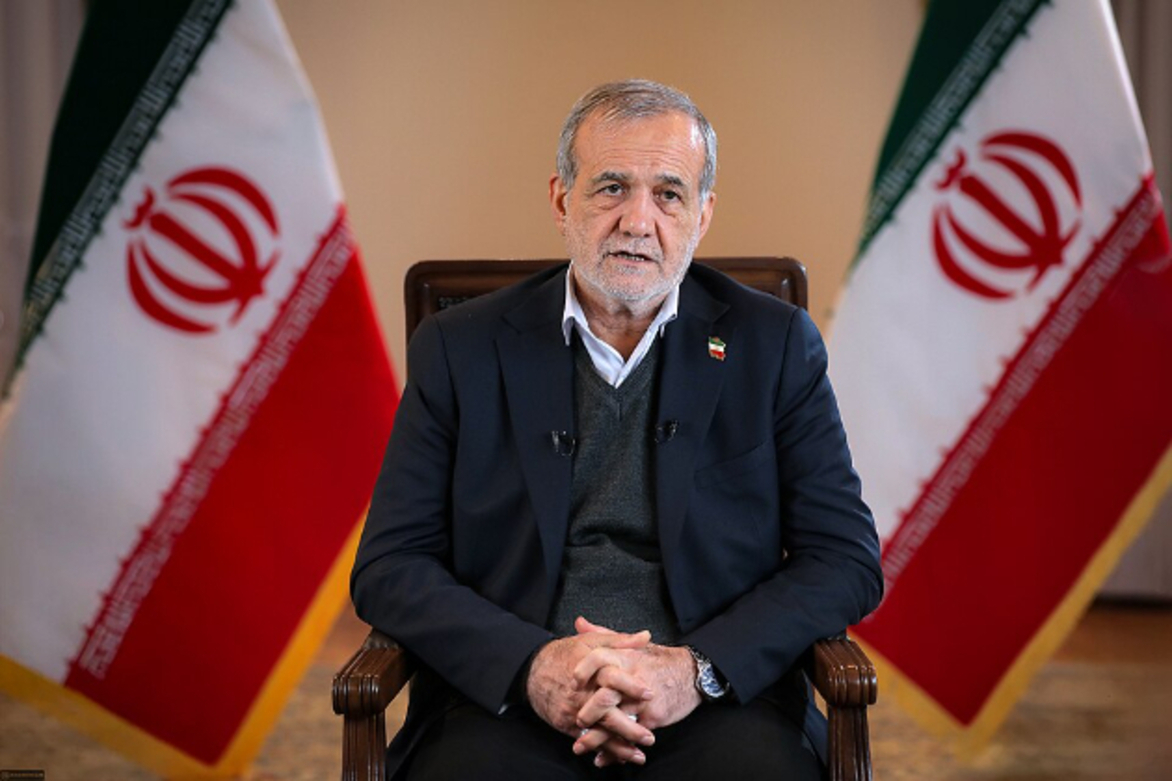
Iranian President Masoud Pezeshkian acknowledged the seriousness of the country's economic problems last week. He said, "Our problems have multiplied several times over, while our income has also fallen."