
Iran ready to respond if US honors deal
Mohan Sinha
02 Sep 2026
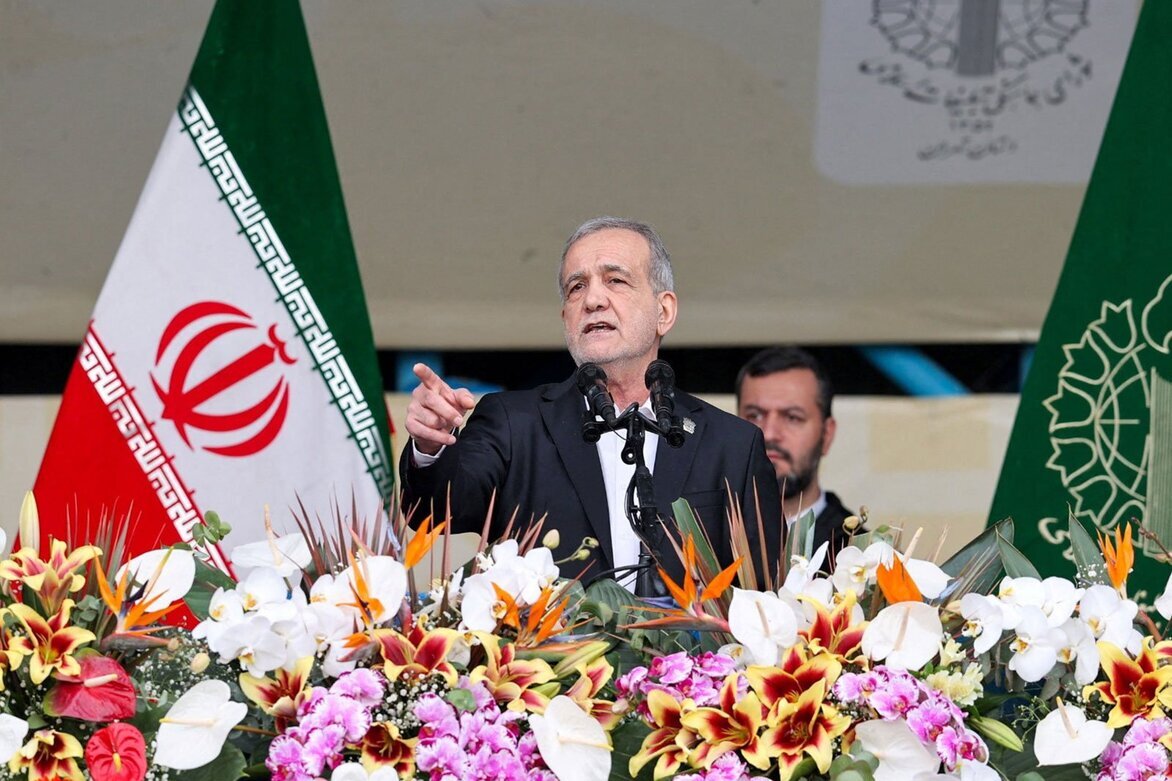
DUBAI, U.A.E.: Iranian President Masoud Pezeshkian said on September 1 that Tehran would immediately respond if the United States returned to the commitments it made under an interim agreement between the two countries.
Pezeshkian made the comments while attending the Shanghai Cooperation Organization Summit in Bishkek. His remarks came after the first direct exchange of attacks between Iran and the United States since late July.
The latest escalation began with a U.S. strike on Larak Island. Iran then carried out attacks on two U.S. military bases in Jordan.
Pezeshkian said Iran remained ready to respond positively if Washington returned to the terms agreed under the interim deal.
"I am stating clearly that if the U.S. returns to its commitments under the Memorandum of Understanding, the Islamic Republic of Iran will immediately reciprocate," Pezeshkian was quoted as saying by Iranian state media.
The Iranian president was referring to an interim agreement reached between Tehran and Washington in June as part of efforts to end the conflict. The war had begun on February 28 after the United States and Israel launched strikes against Iran.
However, the agreement soon began to fall apart. Iran and the United States disagreed over how to implement its terms, preventing the deal from producing a lasting reduction in tensions.
Tehran has repeatedly linked the issue to the Strait of Hormuz, one of the world's most important shipping routes and a key passage for global oil supplies. Iranian officials have said that Iran would allow ships to move freely through the waterway if the United States fulfilled its commitments under the agreement.
Speaking in Bishkek, Pezeshkian also stressed that continuing the war would not benefit either side. He said Tehran remained willing to find a diplomatic solution to its dispute with Washington.
His comments came as tensions between the two countries rose again following the latest military strikes. The new attacks have raised concerns that the conflict could once again expand into a wider confrontation.
U.S. President Donald Trump, however, said Iran should expect a response to its attacks. In comments to Fox News, Trump warned that Washington would respond to the Iranian strikes.
At the same time, Trump told reporters in the Oval Office that the latest exchange of attacks did not mean the two countries were returning to a full-scale war.
In a related development, Reuters reports from London that Iran has gone almost seven weeks without sending significant amounts of crude oil through the Strait of Hormuz, according to shipping data. It is the longest recorded period in which the country has been unable to make meaningful crude exports through the important waterway.
The disruption has cut off a major source of foreign-currency earnings for Tehran. A US naval blockade has prevented new Iranian oil shipments from reaching China, Iran's main remaining customer, creating additional pressure on the country's finances and foreign-currency reserves.
The United States reinstated the blockade on July 14 as part of its six-month conflict with Iran. Since then, no Iranian crude cargo has traveled through the Strait of Hormuz to China, according to shipping data from Kpler, Vortexa and TankerTrackers.com.