
US strikes Iran, Tehran retaliates, hitting American bases
Mohan Sinha
04 Sep 2026
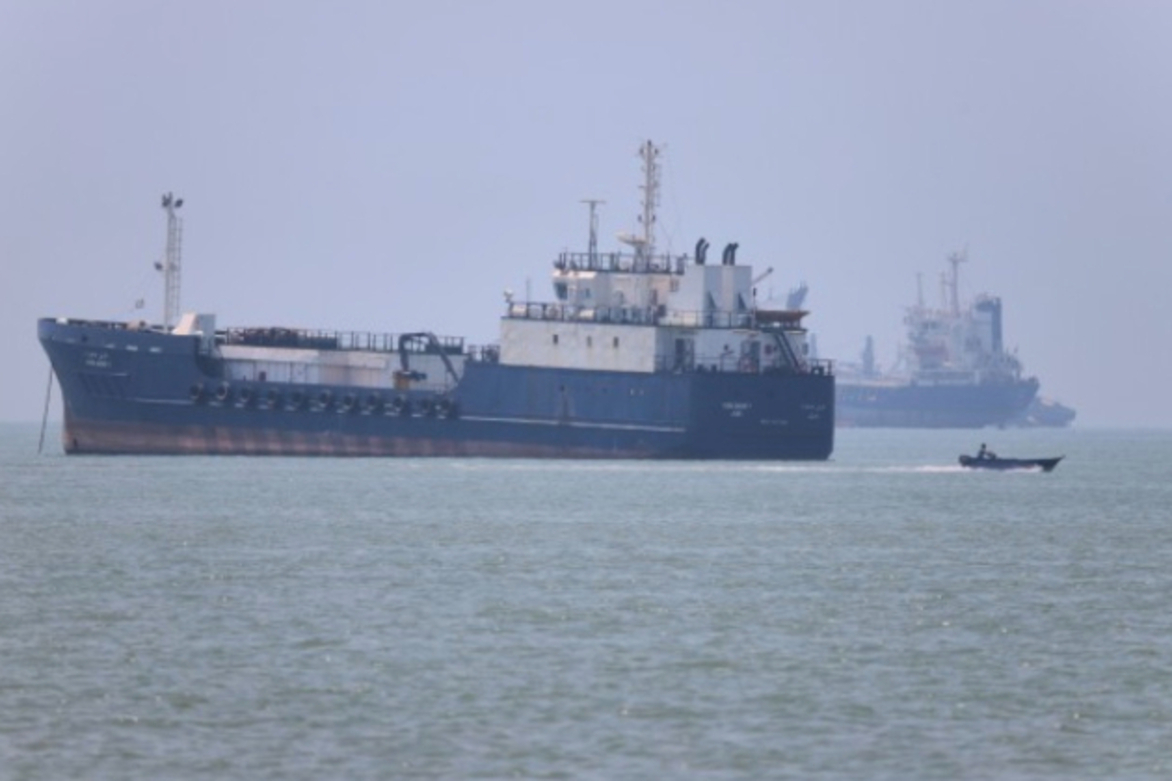
WASHINGTON, D.C./DUBAI: Iranians and Arab neighbors feared on September 2 that war could return after Tehran and Washington exchanged their heaviest fire since July. US forces struck Iran's southern coast, while Iran attacked American bases across the Middle East.
Washington threatened more destructive strikes. Tehran accused the United States of hitting a wedding party, killing four people and wounding dozens.
The renewed airstrikes sent Asian and European stocks lower and pushed oil prices back to July levels.
The U.S. military said it struck air defenses, radar systems, maritime assets, mine-laying capabilities and communications sites on September 1. Iran reported multiple targets near the Strait of Hormuz.
"Last night was like the end of the world," Mahmoud, 38, a municipal worker in Sirik County along the strait, told Reuters by telephone, describing attacks on the area where the wedding was reportedly hit.
Iran responded by attacking what it called U.S. targets in Bahrain, Jordan, Kuwait and Iraq. Tehran said its goal was to force American forces from their military bases across the Middle East.
Iran's military command warned that American actions would bring heavier retaliation and warned cooperating countries of serious consequences.
Iran claimed U.S. forces were killed in Jordan and at a base in northern Iraq. US officials, however, said that initial assessments showed no American casualties.
In Kuwait, Iran said missiles and drones targeted the large U.S. Ali Al Salem Air Base and a US commander's accommodation. Kuwait's fire service said it extinguished a blaze at a residential complex hit by a drone.
Qatar, which hosts the largest U.S. airbase in the Middle East, blamed Iran for the attacks and fallout. Bahrain, home to the regional headquarters of the US Navy, said Iranian drones had been intercepted and destroyed.
Iran also said mines hit two tankers while U.S. personnel guided them through the Strait of Hormuz.
Washington said it was still guiding ships through the strait despite Iranian attacks. Energy Secretary Chris Wright said more than 17 million barrels of oil left the waterway on August 31.
Saudi Arabia's national shipping company said two Filipino crew members were killed on an oil tanker in the strait two days earlier.
The new strikes increased fears that the conflict could return to full-scale war. Iran reported at least 12 deaths in the latest attacks, including four people, among them a four-year-old child, reportedly celebrating a wedding at a home in Sirik.
Earlier reports put the death toll there at five. Iranian media said up to 68 people were wounded and released images of injured children in hospital.
US Navy Captain Tim Hawkins, a Central Command spokesperson, said US forces knew of reports from Iranian state media. He said the US military does not target civilians, unlike Iran's Revolutionary Guards.
Video from Iran's West Asia News Agency showed rubble across rooms and a courtyard at the site. Women's strappy sandals lay abandoned on a blood-soaked carpet.
Ali Molahi, the bride's father, said he was glad casualties were not worse.