
Iran announces new Strait of Hormuz route
Mohan Sinha
08 Sep 2026
DUBAI, U.A.E.: Iran, on September 7, announced plans for new restrictions on shipping in the Middle East with maps showing a new shipping corridor through the Strait of Hormuz.
The announcement came after a weekend of attacks on shipping in the region, which pushed oil prices higher on September 7.
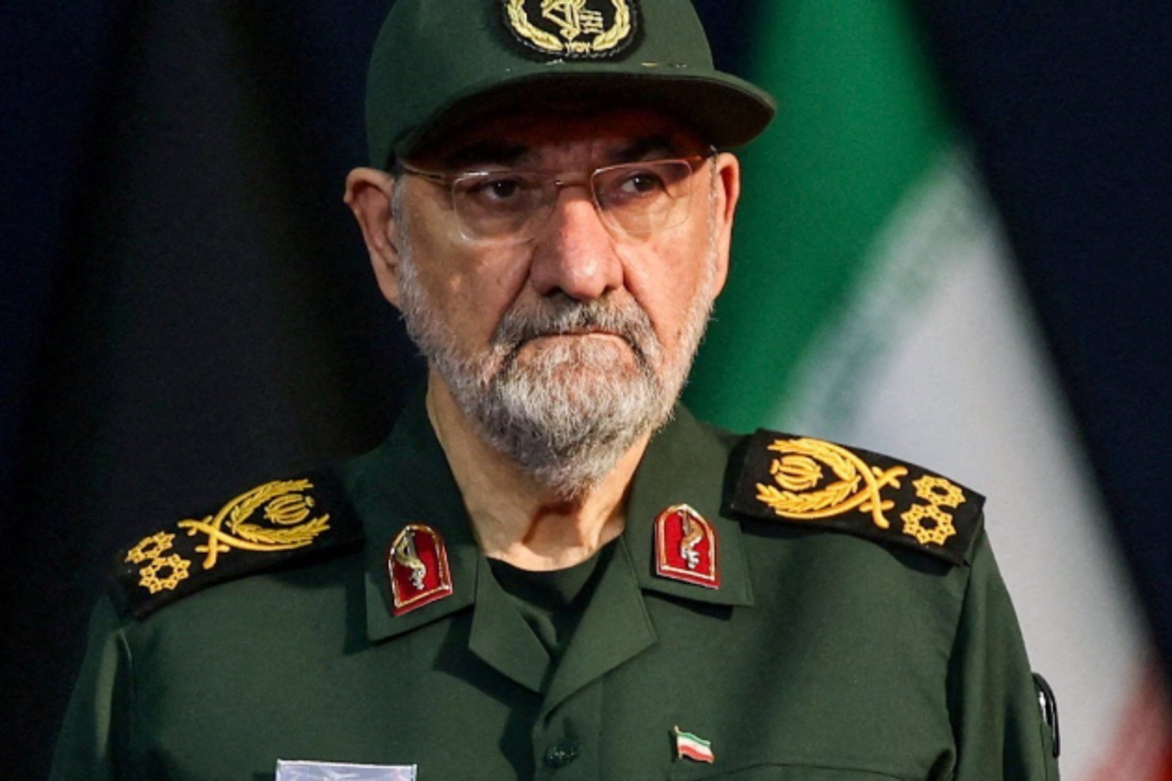
Mohsen Rezaei, secretary of Iran's Supreme National Security Council, said the new restricted zone would begin near the area where the US blockade of Iran starts and would extend into parts of the Gulf.
He provided few details about the restrictions but said ships entering the designated area could be placed on a sanctions list.
Iran also said it was preparing new maps for shipping through the Strait of Hormuz. The waterway is one of the world's most important energy routes but has been largely closed to tanker traffic because of the conflict.
Rezaei said the proposed international shipping corridor would pass through Iranian and Omani waters. Iran would have a role in managing the corridor, and the agreement was expected to be formally signed in the coming days.
He also made clear that Iran's willingness to keep the Strait of Hormuz open would depend on US actions. Tehran has accused Washington of carrying out attacks and other hostile measures against Iran.
UAE Developing New Routes
In a related development, the United Arab Emirates is developing new routes for its energy exports and international trade as the war with Iran continues to disrupt the Middle East region.
UAE presidential adviser Anwar Gargash said on September 7 that the country wants to make sure its economy and energy supplies are not dependent on routes that could be disrupted by the conflict.
"Our energy exports will not be held hostage, nor will our trade and economic activity," Gargash told the Hili Forum in Abu Dhabi.
The war has created serious challenges for Middle Eastern Arab countries, including the UAE. Iran has launched missile attacks against the UAE and targeted oil tankers in the Strait of Hormuz, a major route for global energy shipments.
Gargash said the UAE has been working to reduce these risks by expanding its transport and export infrastructure. The country is increasing port capacity on its eastern coast and developing pipelines, rail links and alternative trade corridors.
The UAE has also been reviewing ways to protect its economy from future disruptions in the region. Gargash indicated that the country wants to maintain economic activity even if tensions with Iran remain high.
He said relations between the UAE and Iran could eventually return to a more normal level. However, he warned that restoring trust between Iran and its Gulf neighbors would be much more difficult and could take decades.
"A functional relationship with Iran can and must be restored, but rebuilding trust is another matter," Gargash said.
The UAE has traditionally been an important economic link for Iran. However, it suspended financial and economic transactions with the Islamic Republic in August, citing Tehran's military escalation and missile threats.
Gargash also criticized the Gulf Arab states for not responding strongly enough to the threat from Iran. He said the countries had understood the nature of the challenge for many years but had failed to turn that common understanding into a coordinated strategy.
He argued that the region needed a more united approach to security and defense.