
New threat for Red Sea shipping as Houthis seize Mocha port
Mohan Sinha
12 Sep 2026
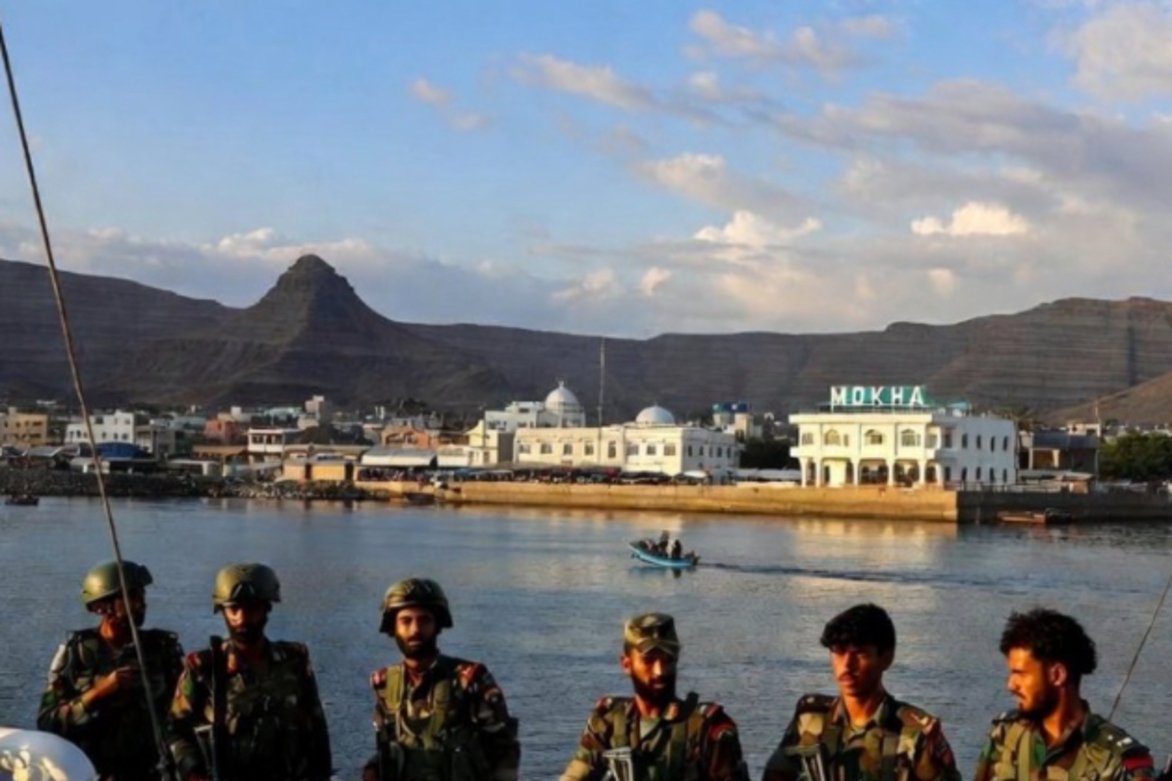
CAIRO/WASHINGTON, D.C./DUBAI: Iran-backed Houthi forces seized control of Yemen's port city of Mocha on September 10, according to Yemeni military sources, raising fresh concerns about the security of global energy supplies.
The reported takeover came only hours after US President Donald Trump said he expected the war involving Iran to end after the US midterm elections. The Houthi advance could give the group greater control over the Bab el-Mandeb Strait, a narrow but vital waterway linking the Red Sea with the Gulf of Aden.
Four Yemeni government military sources said the Houthis had increased their influence around the southern entrance to the Red Sea and had launched attacks on the strategically important Hanish Islands. Two government sources later said Houthi forces had reached the islands.
The developments have raised fears that the Houthis could try to restrict shipping through Bab el-Mandeb. The waterway lies on the opposite side of the Arabian Peninsula from the Strait of Hormuz. Any serious disruption there could give Iran an important advantage in its conflict with the United States by limiting another major shipping route and reducing the movement of oil and other goods.
Oil markets reacted to the growing concerns. Brent crude rose 3.5 percent on September 10 to more than US$100 a barrel as traders worried about possible disruption to important supply routes.
The Houthis joined the current conflict on Iran's side with an attack on Israel on March 28. They had largely remained quiet before declaring a naval blockade against Saudi Arabia in July. They then increased attacks in southern Saudi Arabia in September.
Saudi Arabia, the world's biggest oil exporter, has increasingly depended on shipping through the Red Sea after the conflict effectively closed the Strait of Hormuz. About one-fifth of the world's oil supply previously moved through that waterway.
Tensions remained high on September 10. Saudi civil defense authorities issued emergency warnings in the southwestern city of Khamis Mushait for the fourth time in 24 hours as Houthi attacks continued.
Pakistan has also joined efforts to prevent the conflict from spreading. Saudi, Pakistani and Iranian sources said Pakistan had warned Iran to restrain its Houthi allies.
A senior Iranian official confirmed that Pakistan delivered the message to Tehran early this week. Iran responded that it did not control the Houthis.
Yemeni government forces and their allies are now moving south along the Red Sea coast towards Dhubab, a location directly beside the Bab el-Mandeb Strait and opposite the island of Perim. Government military sources said control of Dhubab and Perim would be important for anyone seeking to dominate the strait.
Bab el-Mandeb, meaning "Gate of Tears", is named after the dangerous conditions faced by ships passing through it. The strait lies between Yemen and the African coast, including Djibouti and Eritrea.
The waterway is one of the world's key routes for crude oil and fuel traveling from the Gulf towards the Mediterranean. Ships can reach the Mediterranean through the Suez Canal or the Suez-Mediterranean pipeline on Egypt's Red Sea coast. The route is also important for goods traveling to Asia, including Russian oil.
The war and the resulting rise in fuel prices have also damaged Trump's popularity, which has fallen to record lows. Trump has accused Tehran of trying to influence the November US midterm elections, which will decide whether his Republican Party keeps control of Congress.
Speaking to reporters on September 9, Trump said he believed the conflict would end soon after the election because Iran could no longer continue fighting and was trying to influence the vote.