
US consumer prices rise in August as core inflation strengthens
Anabelle Colaco
14 Sep 2026
WASHINGTON, D.C.: A sharp rise in gasoline prices helped push U.S. consumer inflation higher in August, while underlying price pressures increased more than expected, strengthening expectations that the Federal Reserve will raise interest rates next week.
The Consumer Price Index rose 0.4 percent in August after edging up 0.1 percent in July, the Labor Department's Bureau of Labor Statistics said on September 11. Consumer prices increased 3.4 percent in the 12 months through August, matching July's annual increase. The monthly CPI rise was in line with economists' expectations.
Financial markets priced in a roughly 91 percent probability of a Fed rate increase next week after the report, up from about 72 percent on September 10, according to CME's FedWatch tool.
"It wasn't as hot as yesterday's PPI, but today's CPI left the Fed with less room to maneuver as it tries to maintain its inflation-fighting credentials," said Ellen Zentner, chief economic strategist at Morgan Stanley Wealth Management.
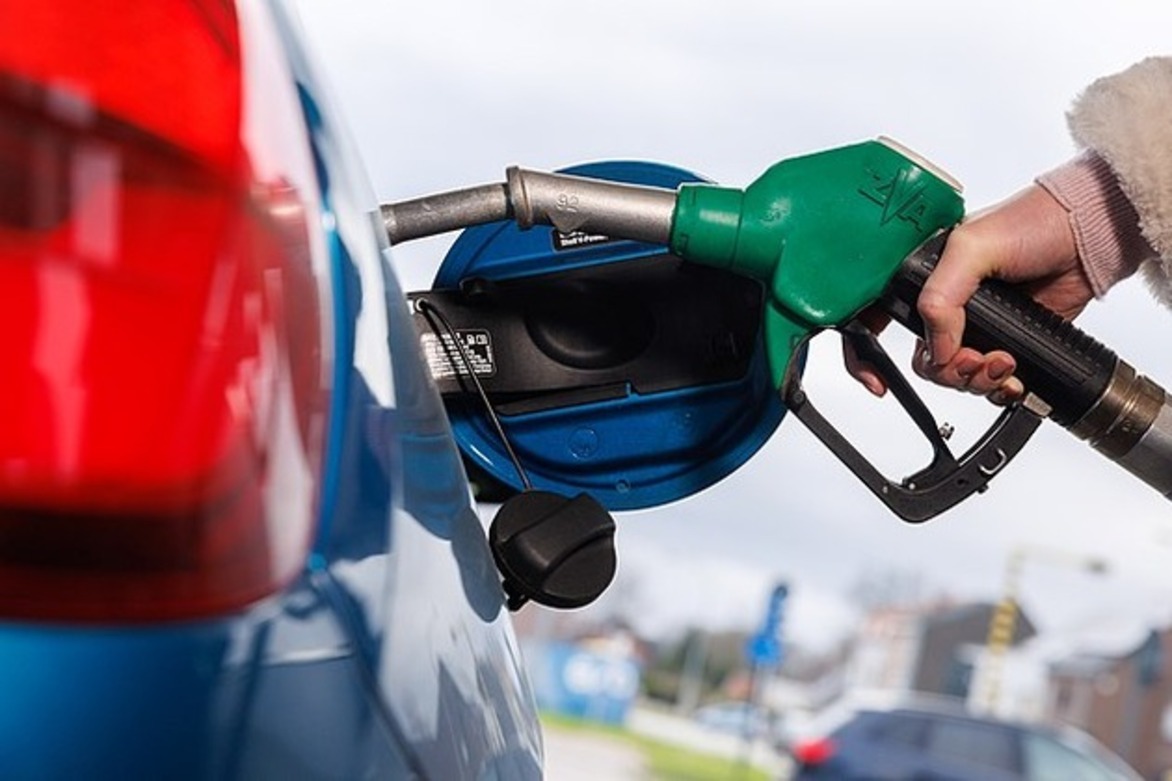
Gasoline prices jumped 3.9 percent after declining for two consecutive months and accounted for more than a third of August's monthly CPI increase. Other motor fuels, including diesel, surged 9.6 percent. Oil prices have climbed back above US$100 a barrel, while diesel prices are at record highs.
Food prices rose 0.1 percent for a second consecutive month, while grocery prices were unchanged. Fruit and vegetable prices declined 0.4 percent, weighed down by a 6.2 percent drop in lettuce prices due to a Cyclospora outbreak.
Egg prices increased 2.9 percent, while prices for nonalcoholic beverages and dairy products also rose. Economists warned that record diesel prices could result in higher supermarket prices because nearly all goods are transported by road. Some also expected price pressures to persist because of tariffs on imports, most recently against Canada.
Excluding volatile food and energy prices, the CPI increased 0.3 percent, its biggest monthly gain since April and above economists' expectations for a second consecutive 0.2 percent rise. Core CPI increased 2.4 percent from a year earlier, down from 2.5 percent in July.
A 2.7 percent increase in airline fares amid higher jet fuel costs helped drive the monthly rise in core inflation. Prices for education, communication and used cars and trucks also recorded solid increases.
Rents rose 0.2 percent, while hotel and motel prices rebounded 2.4 percent. Healthcare costs eased, prescription medication prices were unchanged, and motor vehicle insurance fell 0.8 percent. Apparel prices were unchanged.
Following the CPI and Producer Price Index data on September 10, economists' estimates for August core Personal Consumption Expenditures inflation converged around a 0.28 percent monthly increase, which rounds to 0.3 percent, compared with 0.2 percent in July. Estimates for annual core PCE inflation ranged from 3.2 percent to 3.3 percent.
The Fed's benchmark overnight interest rate is currently 3.50 percent-3.75 percent.
The dollar was little changed against a basket of currencies, while U.S. Treasury yields initially rose after the inflation report before pulling back.
Fed Governor Christopher Waller said last week he was inclined to support keeping rates unchanged if data showed inflation pressures cooling. Fed Chairman Kevin Warsh said last month the central bank will "have work to do" if policymakers do not gain confidence that inflation is moving toward the Fed's two percent target.
President Donald Trump, meanwhile, has been pressing the Fed to lower rates, posting last week: "LOWER THE RATE OR I'LL STOP TRADING WITH COUNTRIES WITH WHICH WE HAVE A DEFICIT."