
Houthi advance into Bab el-Mandeb Strait raises oil supply fears
Mohan Sinha
13 Sep 2026
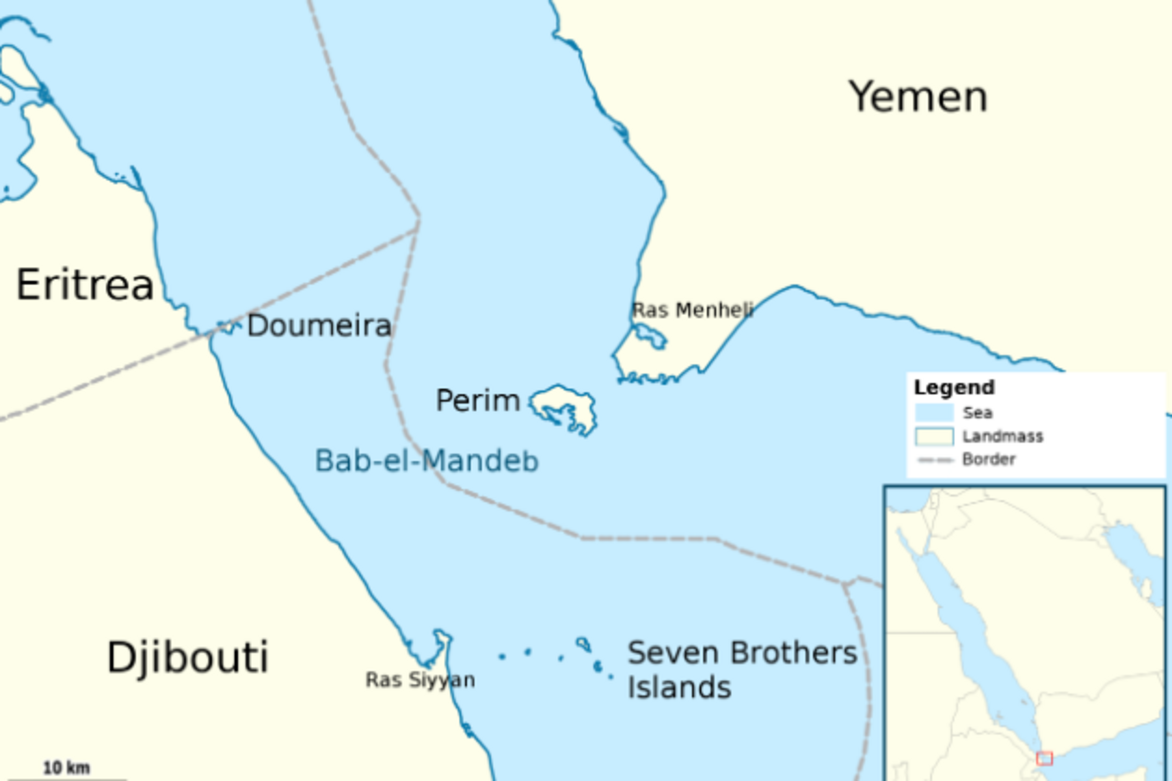
ADEN/DUBAI, Yemen's Iran-aligned Houthi militants reached the strategic island of Perim in the Bab el-Mandeb Strait on September 11, according to four Yemeni government sources cited by Reuters.
The move could strengthen the group's control over one of the world's most important shipping routes as the wider Middle East war continues to grow.
Earlier, two sources from Yemen's Saudi-backed, internationally recognized government said government forces had withdrawn from Perim. They also said the Houthis had captured the mainland Red Sea coastal town of Dhubab, which is located opposite the island.
Control of the Bab el-Mandeb Strait could give Iran an important advantage in its conflict with the United States. The waterway lies on the opposite side of the Arabian Peninsula from the Strait of Hormuz. If both routes face serious disruption, supplies could be reduced through two major global shipping corridors, potentially pushing oil prices sharply higher.
Saudi Arabia, the world's biggest oil exporter, has increasingly depended on the Red Sea shipping route since the conflict with Iran effectively closed the Strait of Hormuz. About one-fifth of the world's oil supply normally passes through Hormuz.
Another potentially serious development for Saudi Arabia came on September 10, when satellite images showed smoke near the kingdom's East-West oil pipeline. The pipeline has become an important way for Saudi Arabia to move crude oil around the Strait of Hormuz and continue exports.
Saudi authorities did not immediately confirm an incident.
Aramco has increased the amount of crude transported from Saudi Arabia's eastern coast to the Red Sea in the west since U.S.-Israeli airstrikes on Iran began six months ago. Those strikes were followed by Tehran's effective closure of the Strait of Hormuz.
The International Energy Agency said that Saudi crude production fell by 2.3 million barrels per day in August to six million barrels per day. It was the kingdom's lowest level in more than three decades. The agency said the fall was partly linked to attacks on ships using the Bab el-Mandeb Strait by groups connected to the Houthis.
Global oil prices were heading for their first weekly close above $100 a barrel since mid-May. Prices were slightly lower on September 11. The Financial Times reported that Middle Eastern foreign ministers were seeking a temporary arrangement to manage shipping through the Strait of Hormuz.
Yemeni government forces said they planned to try to retake areas seized by the Houthis during their rapid offensive along the Red Sea coast this week.
Military spokesman Colonel Majed al-Nazili told civilians to avoid the road between Taiz and Mocha and stay away from Houthi military equipment.
Saudi Arabia has continued bombing Houthi targets in Yemen but has not attacked the strategic areas seized by the group during this week's offensive.
Saudi Crown Prince Mohammed bin Salman spoke twice by phone with U.S. President Donald Trump and urged him to launch attacks against the Houthis, Axios reported, citing two U.S. officials.
Trump rejected the request. U.S. officials said the administration did not currently plan to take direct military action against the Houthis.