
flydubai accelerates network growth with more than 125 destinations
WAM
14 Sep 2026
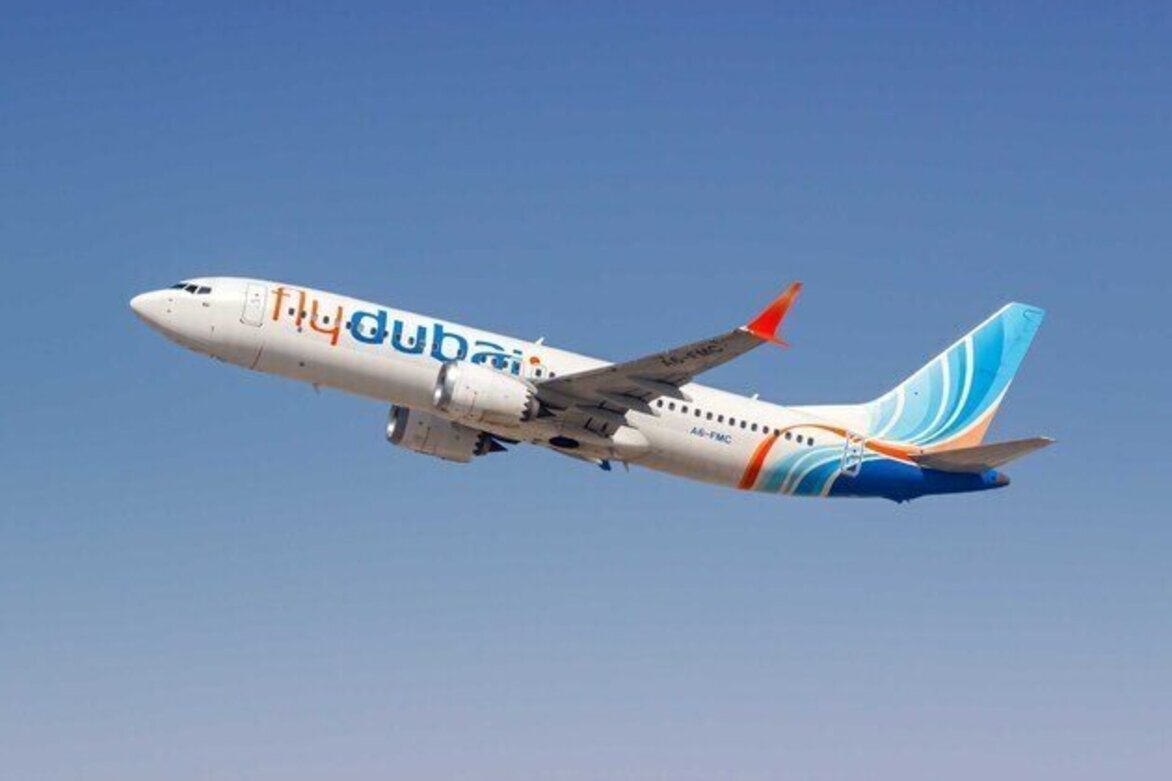
DUBAI, 14th September, 2026 (WAM) -- flydubai continues to strengthen its network and add capacity as it responds to resilient travel demand.
The airline has restored operations to 85% of its network, demonstrating the agility of its business model and its ability to progressively adapt to a changing operating environment. This flexibility has enabled flydubai to grow to more than 125 destinations across its network in 56 countries. flydubai has also added capacity in key markets, built on the confidence in the long-term fundamentals of travel demand.
Over the last few months, flydubai has continued to expand its network by resuming and launching services to several key markets, including Aleppo, Benghazi and Bangkok. Strong customer demand has supported the increase of services to Don Mueang International Airport (DMK) in Bangkok from one to three non-stop daily flights, providing greater choice and connectivity between Thailand, Dubai and beyond.
The carrier will further expand its network on 23 September with the launch of flights to Pokhara, its second destination in Nepal after Kathmandu, creating new opportunities for travel, trade and tourism and further strengthening connectivity through Dubai.
Ghaith Al Ghaith, Chief Executive Officer at flydubai, said, "The last few months have demonstrated the strength and agility of our business model and the utmost confidence we have in Dubai's resilience. Despite the challenging operating environment, we have remained focused on restoring our network safely and efficiently, adding capacity where we see demand while opening new markets. This would not have been possible without close coordination across Dubai's aviation and tourism ecosystem, guided by the clear vision of UAE leadership.
We are encouraged by the confidence of our customers which is reflected in the strong performance of recently launched routes and the demand we have seen over the summer. As conditions stabilise, we remain well positioned to fully restore our network and support the growing flows of travel, trade and tourism through Dubai over the next few months."
flydubai is seeing encouraging forward demand following the summer travel season and expects this momentum to continue into the upcoming winter season, with customers visiting Dubai and looking to travel across its growing network for both leisure and to visit friends and relatives.
This summer, the airline operated to 11 seasonal destinations, providing customers with direct access to some of the most popular leisure destinations across the Mediterranean and beyond. Destinations including Bodrum, Corfu, Mykonos, Santorini and Tivat remain particularly popular with customers from the UAE, as well as passengers connecting through Dubai.
Customers continue to benefit from the unique strength of the combined Emirates and flydubai network that provides access to more than 214 unique destinations in over 100 countries, generating more than 4,600 connection opportunities through Dubai.
Hamad Obaidalla, Chief Commercial Officer at flydubai, said, "We are pleased to have seen positive travel demand over the summer across our network, especially on our seasonal summer routes. To meet increased travel demand, we continue to add capacity to our year-round services, including Almaty, Bishkek and Tashkent.
Meanwhile, Thailand remains a popular destination for both leisure and business travel, and the launch of our triple-daily service to Bangkok in November reflects growing momentum across our network and underscores our commitment to providing customers with more convenient and flexible travel options.
We are currently operating an average of 2,200 weekly flights and aim to increase this frequency as we receive more aircraft. Our focus remains on further developing our network and supporting the full recovery of operations at DXB to pre-disruption levels."
flydubai has created a network of more than 125 destinations in 56 countries across Africa, Central Asia, the Caucasus, Central and Southeast Europe, the GCC and the Middle East, South Asia and Southeast Asia. Almost 100 of these destinations were underserved markets without any, or very few, direct connections to Dubai and the UAE.